Luxury Apartments DC: Georgetown Rents Hit $3,500
Georgetown and Capitol Hill luxury apartments now command $3,200–$3,500 monthly for two-bedrooms. Discover how rising tenant standards are reshaping DC's rental market in 2024.
Georgetown and Capitol Hill luxury apartments now command $3,200–$3,500 monthly for two-bedrooms. Discover how rising tenant standards are reshaping DC's rental market in 2024.
The luxury rental market across Washington DC has entered a period of acute recalibration. While the broader DC median hovers around $700,000 for purchase prices, the rental sector tells a more complex story—one where landlords face unprecedented tenant selectivity even as they command premium rates, and where renters are increasingly armed with choice, documentation demands, and higher standards.
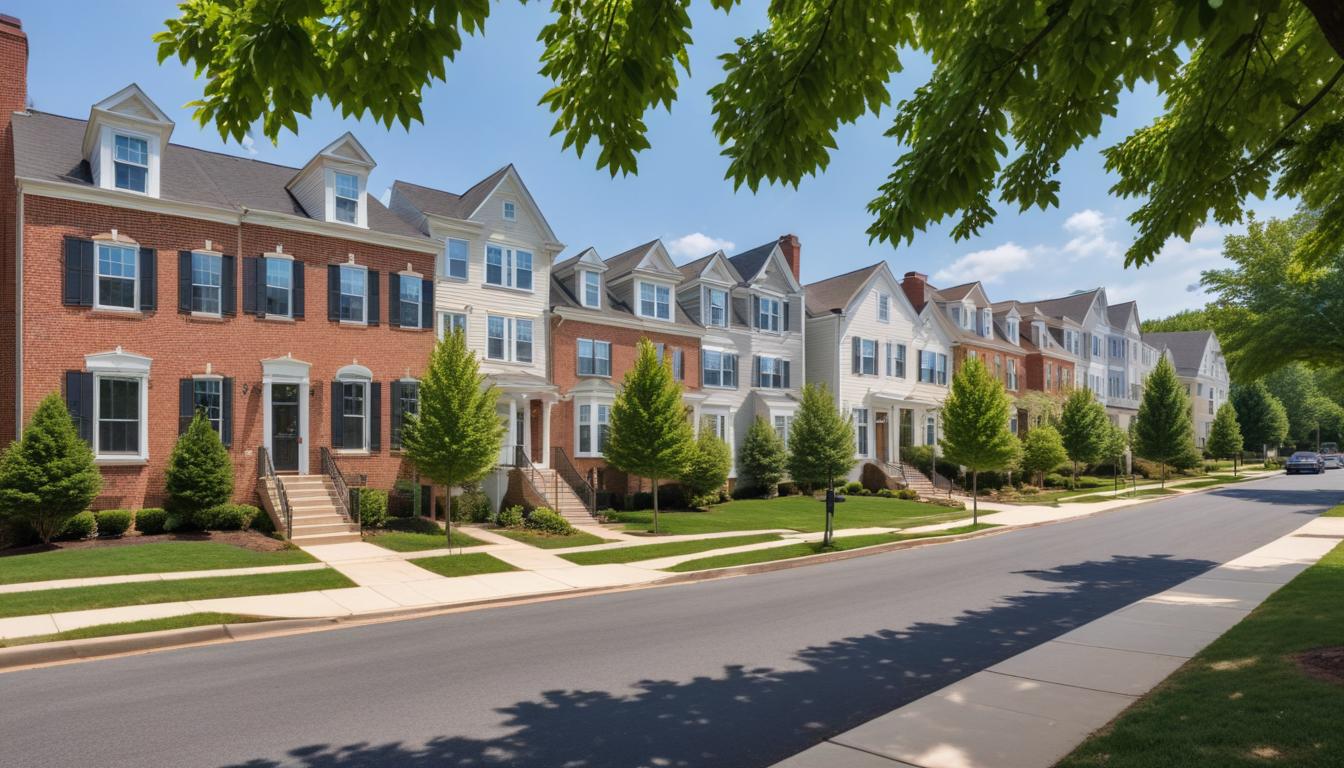
Recent market activity reveals the tension. Two-bedroom units in Georgetown now regularly command $3,200 to $3,500 monthly, with comparable properties in Capitol Hill ranging $2,800 to $3,200. Yet property managers report longer vacancy periods than the pandemic era, suggesting that price elevation alone no longer guarantees occupancy. Tenants across these neighborhoods—where brownstones and converted industrial lofts dominate the landscape—are now demanding verified maintenance records, transparent lease terms, and responsive management as baseline requirements rather than amenities.
The shift reflects broader demographic changes. Young professionals migrating to DC for roles in policy, law, and technology bring rising salary expectations but also heightened scrutiny. Many have experienced substandard rental conditions elsewhere or witnessed peers navigate poor landlord relationships documented on social media. Property owners accustomed to the 2010s rental boom—when scarcity meant minimal negotiation—now find themselves competing on service quality, not just location.
The H Street Corridor and Navy Yard neighborhoods illustrate this duality acutely. As these areas transform from industrial to residential, developers have priced new rental stock aggressively: $2,100 for one-bedrooms, $2,900 for two-bedrooms. Yet older rental stock in adjacent blocks remains below $1,800, creating a bifurcated market where tenant expectations diverge sharply by building age and amenity offering. Property managers report that newer buildings, despite premium pricing, retain tenants longer—a signal that modern infrastructure and transparent operations command genuine loyalty.
Landlord associations have begun addressing this dynamic. The Greater Washington Apartment Association reports that member properties investing in professional management infrastructure, documented repair protocols, and digital communication platforms are seeing reduced turnover and fewer disputes. Conversely, individual landlords maintaining traditional cash-payment, informal-lease models are finding recruitment increasingly difficult, particularly among higher-earning demographics.
For renters, the luxury segment has paradoxically become more negotiable. While absolute prices remain elevated, terms—lease duration flexibility, move-in cost structures, maintenance response times—have become subject to genuine discussion. The power balance that favored landlords through the 2010s has gradually shifted, creating a market where both parties must justify their value proposition with clarity and professionalism.
This article was compiled by AI from the sources linked above and screened before publishing. See our editorial standards.
How does this story make you feel?
Spread the word
About this article
Published by The Daily Washington DC
Daily brief
Free, in your inbox before 7am. Weekdays.
More in Property