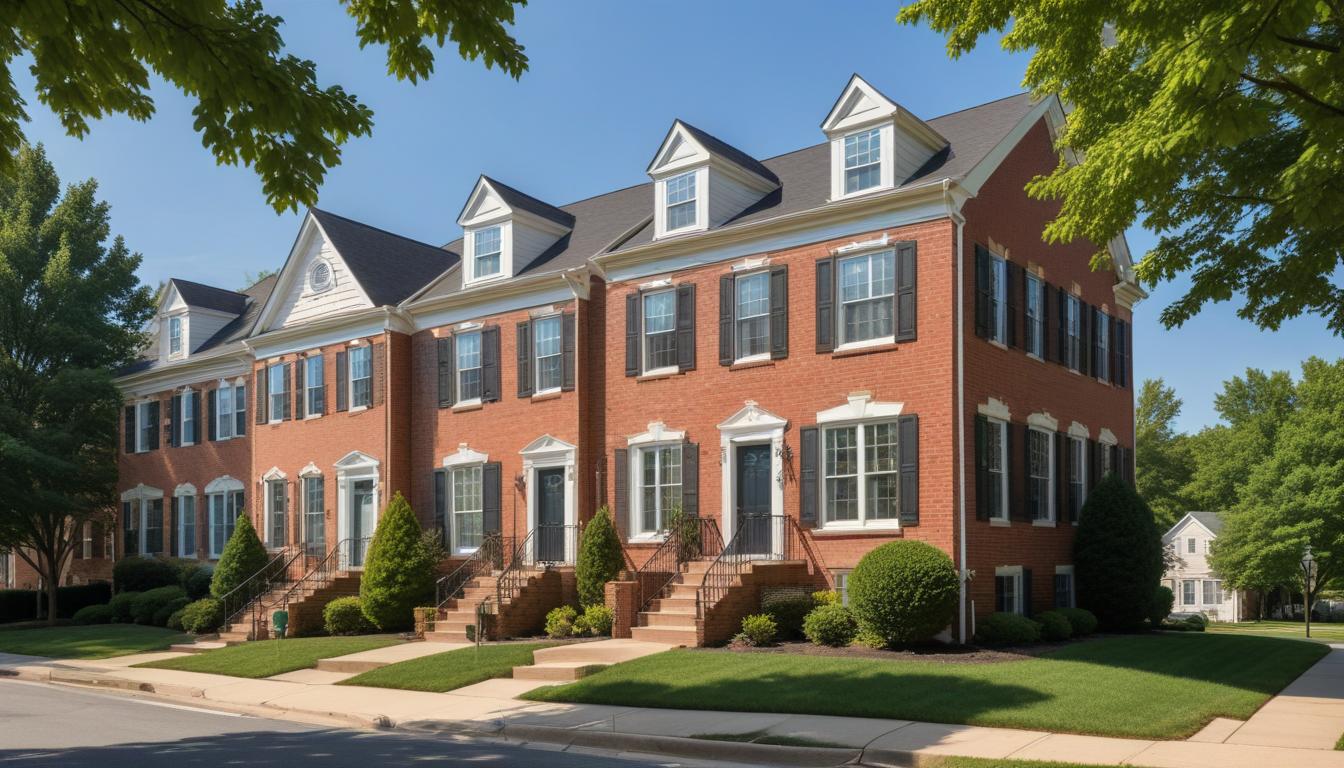
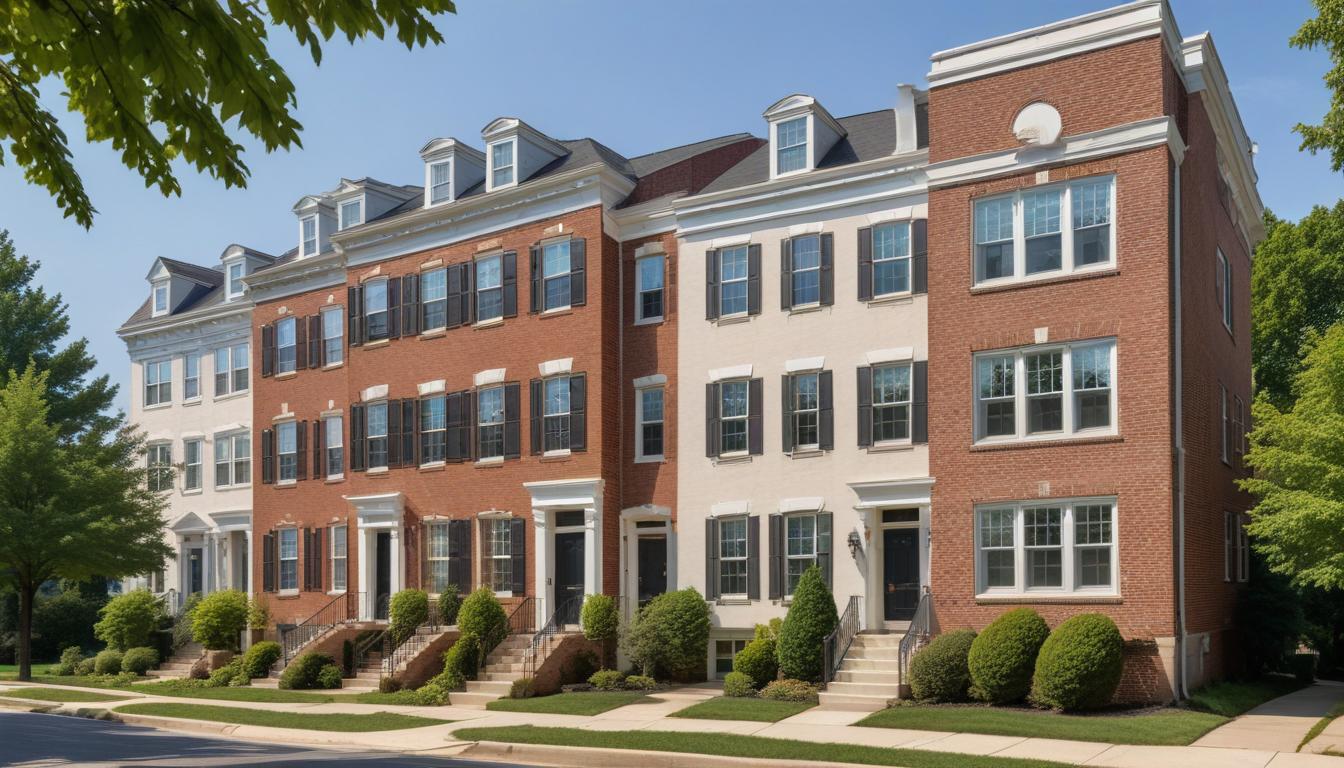
Washington DC's property auction market is sending a troubling signal to policymakers and housing advocates alike. Clearance rates have slipped to their lowest point in three years, even as the District's median home price hovers stubbornly around $700,000—a figure that leaves most working families priced out of neighbourhoods from Capitol Hill to Georgetown and increasingly from H Street and the Navy Yard waterfront.
The arithmetic is becoming impossible to ignore. Recent failed auctions of smaller residential parcels, including several along the Anacostia River corridor and in Northeast DC, suggest developers and investors are stepping back from projects that don't pencil out at premium prices. When land alone commands near-market-rate valuations, the economics of building genuinely affordable units collapse.
This is no abstract problem. The DC Housing Authority and local nonprofits have spent the past eighteen months piloting acquisition strategies designed to bypass traditional auction channels entirely, recognising that the auction block now favours speculation over social need. A parcel near Union Market that might have housed twenty affordable units went unsold at auction last quarter; the asking price reflected not construction cost but surrounding retail gentrification.
What the data reveals is a vicious cycle. As clearance rates fall, sellers adjust expectations downward—but not far enough to attract mission-driven developers. Meanwhile, the inventory of genuinely affordable stock continues to shrink. The District's inclusionary zoning policies, which require 8–12% of new units to be affordable, have softened the blow marginally, but they apply only to new construction, leaving the existing stock to market forces.
The Council's renewed push for community land trusts and the expansion of the Affordable Housing Preservation Fund both point toward the same recognition: the auction system and traditional market mechanisms are not delivering results. The failed sales data is essentially a referendum on whether Washington's current policy framework can actually address affordability.
Neighbourhood-level disparities tell the story most clearly. Georgetown and Capitol Hill remain inaccessible to nearly all but the highest earners; meanwhile, Navy Yard and H Street, once affordable outliers, are experiencing rapid appreciation as mixed-use development attracts speculative investment. The Northern Virginia suburbs have become the de facto affordable option, draining DC tax revenue and deepening spatial inequality.
Until auction results and price data begin moving in sync with policy intent—rather than against it—Washington risks creating a city where service workers, teachers, and mid-career professionals must commute ever farther. The falling clearance rates aren't just market noise. They're a warning that current affordability strategies are losing the race against market forces.
This article was compiled by AI from the sources linked above and screened before publishing. See our editorial standards.