DC Inclusionary Zoning Expansion: H Street Impact
DC's 15% affordable housing requirement reshapes H Street development. See how new zoning rules affect mixed-use projects, pricing, and what this means for buyers near Metro corridors.
DC's 15% affordable housing requirement reshapes H Street development. See how new zoning rules affect mixed-use projects, pricing, and what this means for buyers near Metro corridors.
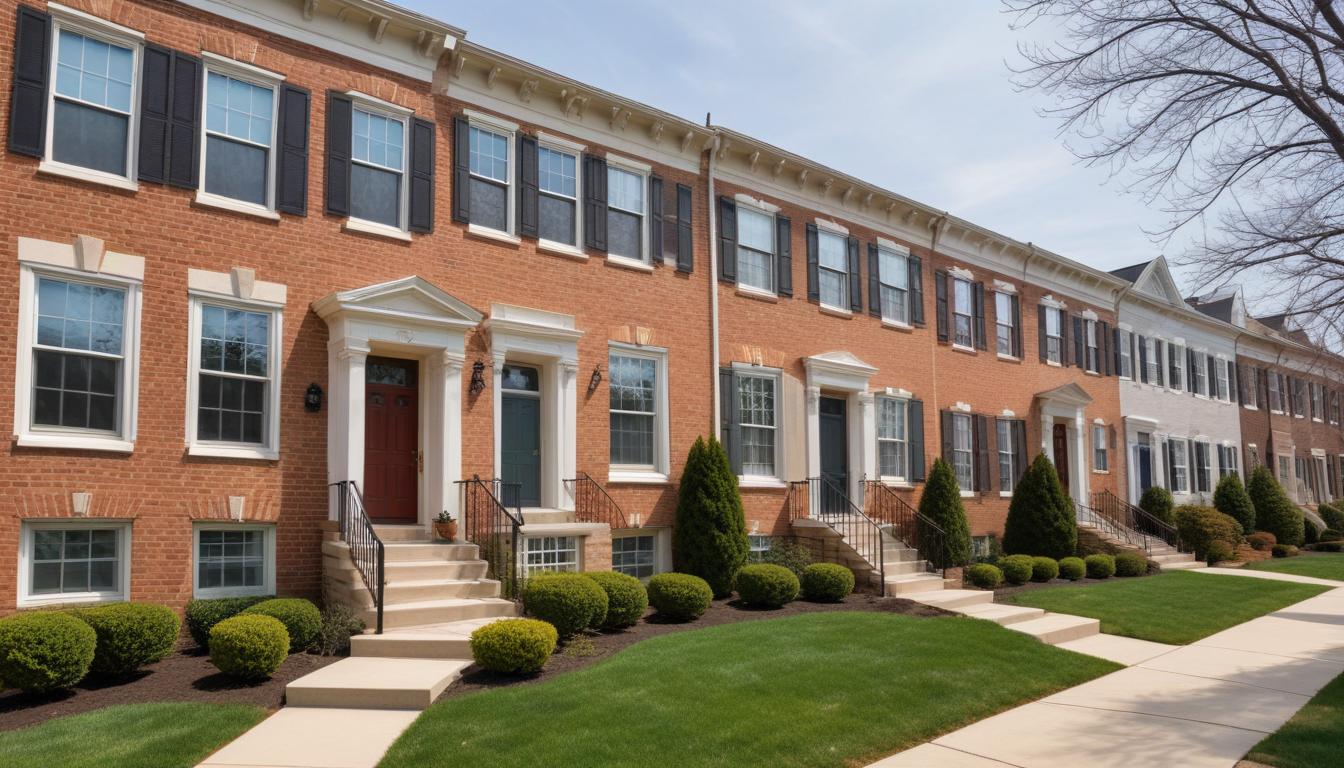
Washington DC's Planning Board approved sweeping changes to inclusionary zoning requirements this spring, mandating that 15% of units in new residential projects—up from 12.5%—must remain affordable to households earning up to 60% of area median income. For a city where the median home price hovers near $700,000, the policy shift is sending measurable ripples through development pipelines and investor calculations.
The impact is most visible along H Street NE, where three major mixed-use projects currently in permitting stages have already adjusted unit compositions in response. Developers working on sites near the H Street Metro corridor report that the increased affordability requirement has compressed profit margins by 8-12%, forcing recalibration of market-rate pricing to offset costs. One mid-sized firm delayed filing for two properties until clarification on the policy's application to projects under 20 units emerged last month.
"This isn't abstract policy—it directly affects what gets built and who can afford it," explains Sarah Chen, senior analyst at the DC Office of the Chief Financial Officer's housing team. The city projects the change will produce roughly 800 additional affordable units over the next decade, a modest but meaningful correction in a region facing persistent undersupply.
Navy Yard, already transformed by recent waterfront development, presents a telling case study. Projects completed before the zoning shift locked in lower affordability percentages; those now breaking ground operate under the new framework, creating a two-tier market within walking distance. A one-bedroom market-rate unit in Navy Yard averages $2,250 monthly; affordable units reserved under the zoning rules rent at approximately $1,100.
Capitol Hill and Georgetown, where land scarcity commands premium positioning, face different mathematics. Georgetown's already-constrained supply means fewer new developments trigger inclusionary requirements. Instead, the DC Department of Housing and Community Development is launching a $45 million fund to acquire small multifamily properties in outer neighborhoods—Brightwood Park, Petworth—before they undergo full market-rate conversion.
Predictably, some developer groups have lobbied for exemptions or density bonuses to offset affordability costs. The Planning Board rejected most requests, though it approved expedited permitting for projects exceeding 20% affordable units by 5 percentage points or more.
Market watchers note this policy inflection arrives as DC's appreciation slowdown—median price growth fell to 2.3% year-over-year—reduces speculative pressure. Whether that creates political space for deeper affordability mandates, or whether developers simply absorb costs and pass them to remaining market-rate renters, will define DC's housing trajectory through 2030.
This article was compiled by AI from the sources linked above and screened before publishing. See our editorial standards.
How does this story make you feel?
Spread the word
About this article
Published by The Daily Washington DC
Daily brief
Free, in your inbox before 7am. Weekdays.
More in Property