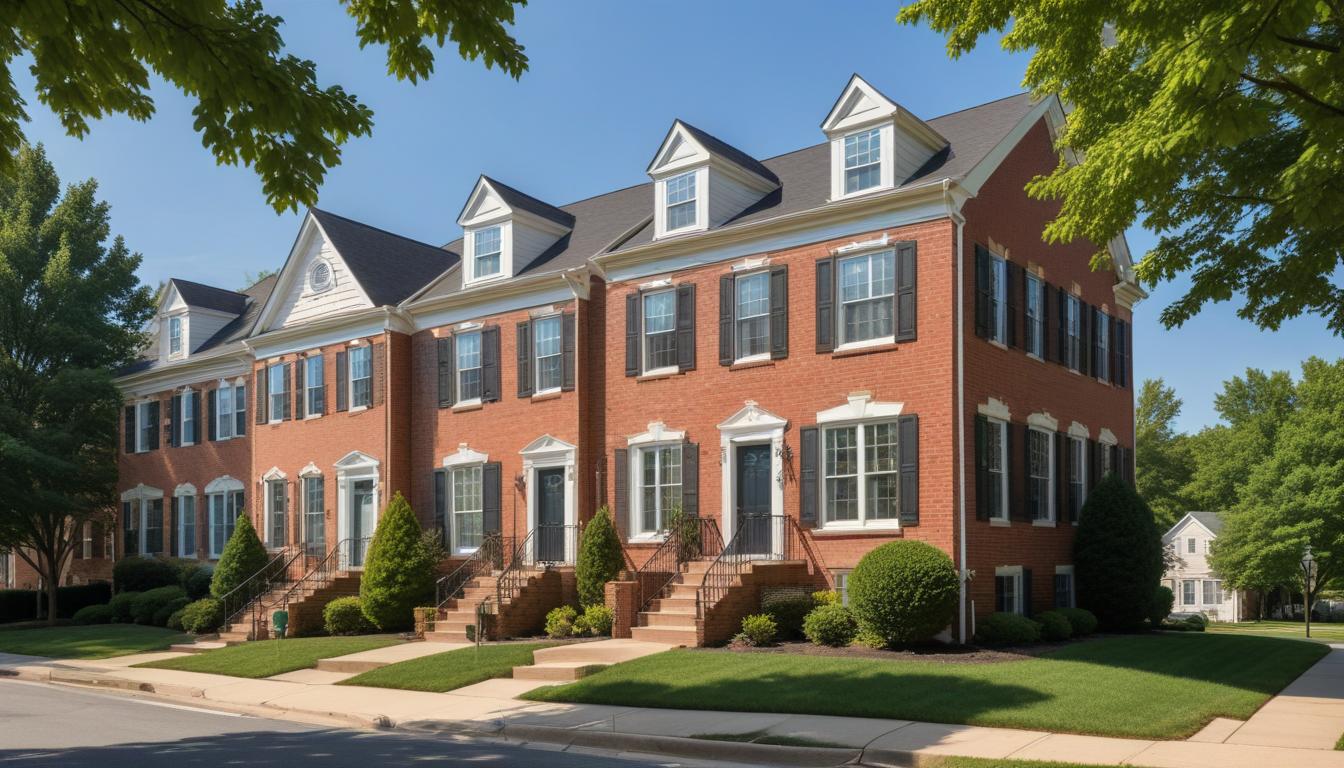
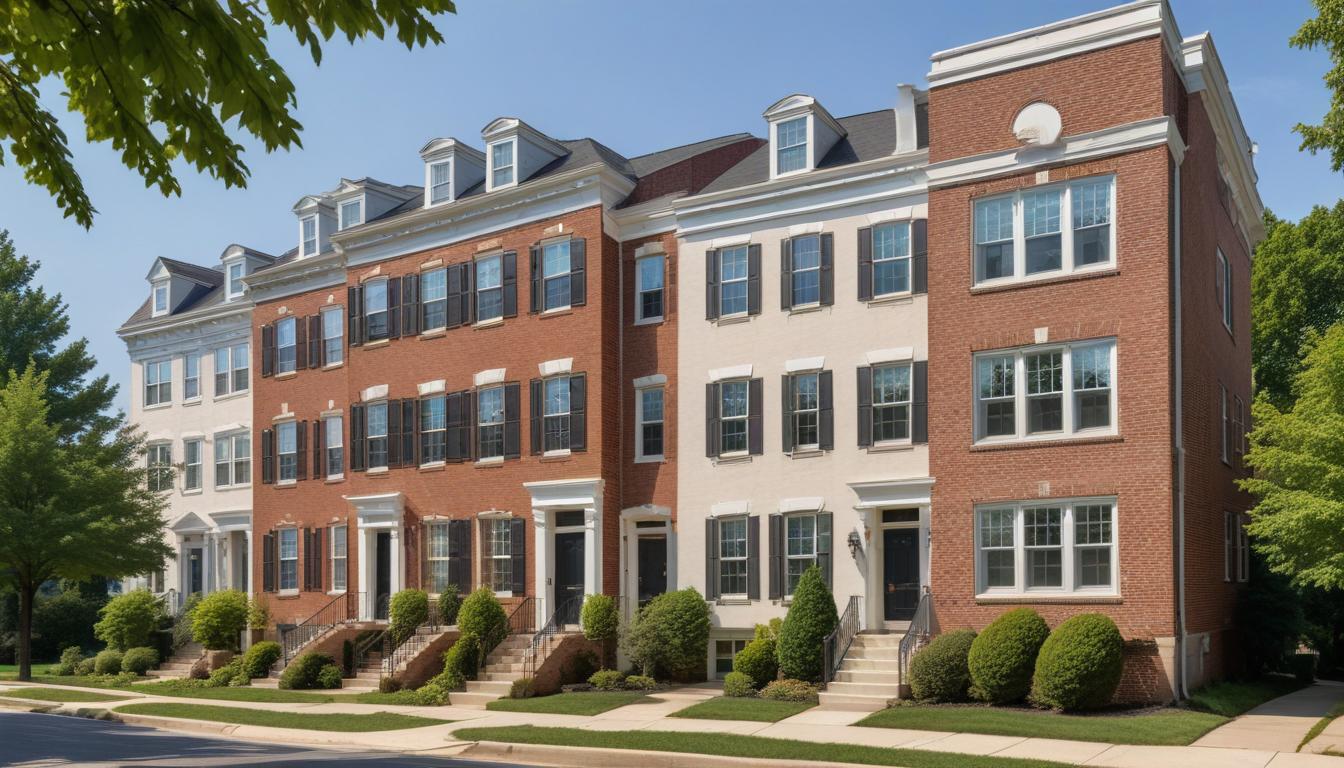
Washington DC's property market faces a paradox. While the median home price hovers near $700,000—pricing out countless middle-income families—new construction projects are accelerating across the city's eastern waterfront and emerging neighborhoods. The question isn't whether development is happening, but whether it will meaningfully address affordability or simply create another layer of luxury housing for the city's affluent.
The Anacostia Waterfront continues to be the epicenter of this transformation. Navy Yard and the blocks surrounding it have seen explosive activity over the past three years, with mixed-use developments promising retail, office, and residential space in unprecedented volumes. Similarly, the Buzzard Point neighborhood—historically industrial—is being repositioned as a vibrant residential destination. These projects could add thousands of housing units to neighborhoods that have historically been overlooked by institutional investors.
Yet early indicators suggest a familiar pattern. New units along the waterfront are commanding premium prices, with one-bedroom apartments starting around $2,500 monthly rent and purchase prices exceeding $650,000 for modest two-bedrooms. For renters and first-time buyers, this represents minimal relief from the current affordability squeeze that has pushed families toward Northern Virginia suburbs—where median prices now compete with close-in DC neighborhoods.
The District's Inclusionary Zoning policy requires developers to dedicate 8-10% of units to affordable housing, yet advocates argue this percentage remains insufficient. Meanwhile, projects under construction in Capitol Hill and near Union Market reflect the reality: new supply is being absorbed by higher earners before it ever reaches working families.
Some developments show promise. The planned revitalization of the H Street corridor, extending toward Benning Road, incorporates mixed-income targets that exceed baseline requirements. Community land trusts and nonprofit developers have also gained traction, particularly east of the Anacostia River, where land costs remain comparatively lower.
Real estate analysts note that while new construction eases pressure marginally—by preventing further bidding wars for existing stock—it doesn't solve the underlying problem: DC's job market and regional desirability have outpaced housing supply for two decades. Even aggressive development schedules add only 5,000-7,000 net new units annually, while demand remains significantly higher.
For now, new projects represent opportunity and caution. They signal confidence in DC's future and promise neighborhood transformation. But without concurrent policy shifts prioritizing affordability over market-rate returns, these developments risk becoming another chapter in the city's ongoing displacement narrative—gleaming towers rising while longtime residents move further from the monuments.
This article was compiled by AI from the sources linked above and screened before publishing. See our editorial standards.