How New Development Projects Are Reshaping DC's Emerging Neighborhoods
Mixed-use complexes and transit-oriented housing are redefining property values across H Street, Navy Yard, and beyond.
Mixed-use complexes and transit-oriented housing are redefining property values across H Street, Navy Yard, and beyond.
Washington DC's property market is experiencing a decisive shift as developers pour capital into neighborhoods previously overlooked by mainstream investors. The transformation isn't confined to established premium zones like Capitol Hill or Georgetown—it's extending eastward and southward, driven by ambitious mixed-use projects that promise to reshape entire corridors.
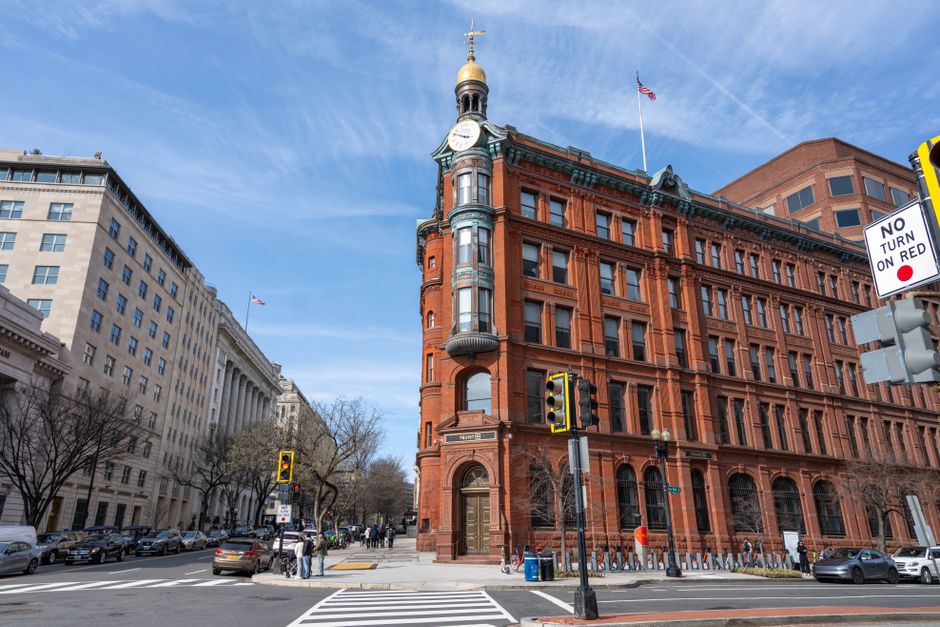
H Street NE, long positioned as DC's emerging cultural hub, is seeing the most tangible impact. The ongoing revitalization along this historic thoroughfare has attracted residential towers alongside retail and entertainment spaces. Projects anchored near Union Market and the Atlas Performing Arts Center are pushing median prices upward, with new condominiums listing between $550,000 and $800,000—a marked increase from five years ago. These developments aren't simply adding units; they're establishing H Street as a credible alternative to the saturated Capitol Hill market, where median prices hover near $950,000.
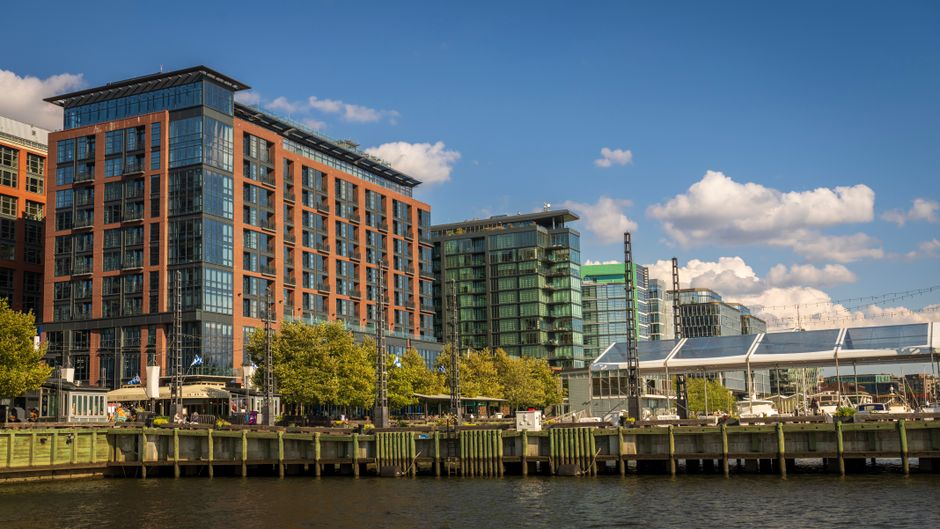
Navy Yard–Ballpark represents another critical frontier. The arrival of the Washington Nationals facilities catalyzed initial interest, but recent commercial and residential developments signal deeper structural change. New apartment complexes near Half Street SE are targeting young professionals and families, with rental rates climbing to $2,200 for one-bedrooms—evidence that developers see permanent demand, not speculative fever. This trajectory suggests the neighborhood could mature into a self-sustaining residential zone rather than remaining a single-amenity destination.
The Northern Virginia corridor—particularly Arlington and Alexandria—continues its relentless climb. While median home prices exceed DC's $700,000 baseline, transit-oriented developments along the Metro lines are creating inventory at varying price points. New townhome projects in Rosslyn and along the Crystal City waterfront are competing directly with DC neighborhoods by offering contemporary design and proximity to employment centers without the District's regulatory overhead.
What distinguishes today's development wave from previous cycles is intentionality. Projects are clustering around existing infrastructure—Metro stations, cultural venues, employment nodes—rather than appearing as isolated prestige builds. This suggests longer-term value creation than speculative positioning.
For investors, the implications are clear: neighborhoods with identified development pipelines—particularly those with master plans from organizations like the DC Department of Housing and Community Development—offer more predictable appreciation than mature zones. H Street, Navy Yard, and select Northern Virginia corridors currently represent the strongest convergence of development activity, transit access, and population growth, making them the neighborhoods to watch through 2027.
This article was compiled by AI from the sources linked above and screened before publishing. See our editorial standards.
How does this story make you feel?
Spread the word
About this article
Published by The Daily Washington DC
Daily brief
Free, in your inbox before 7am. Weekdays.
More in Property