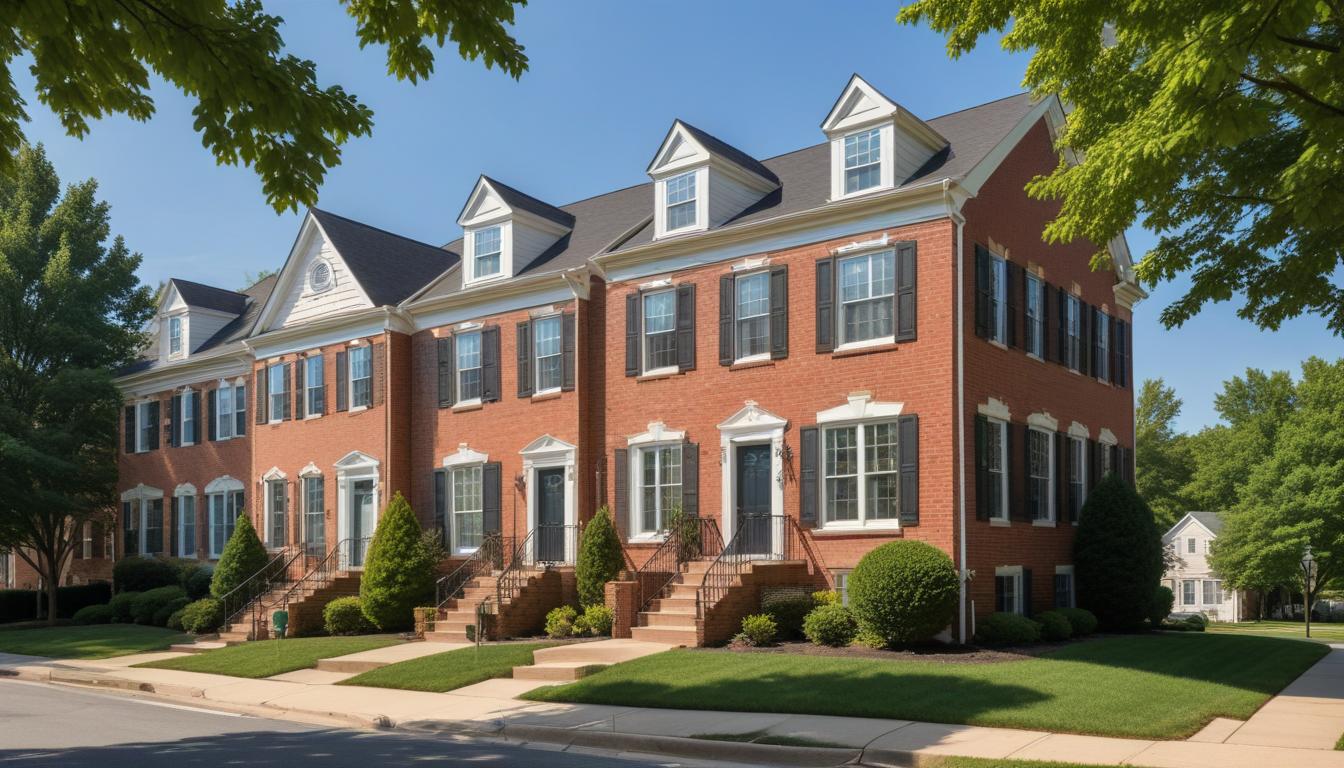
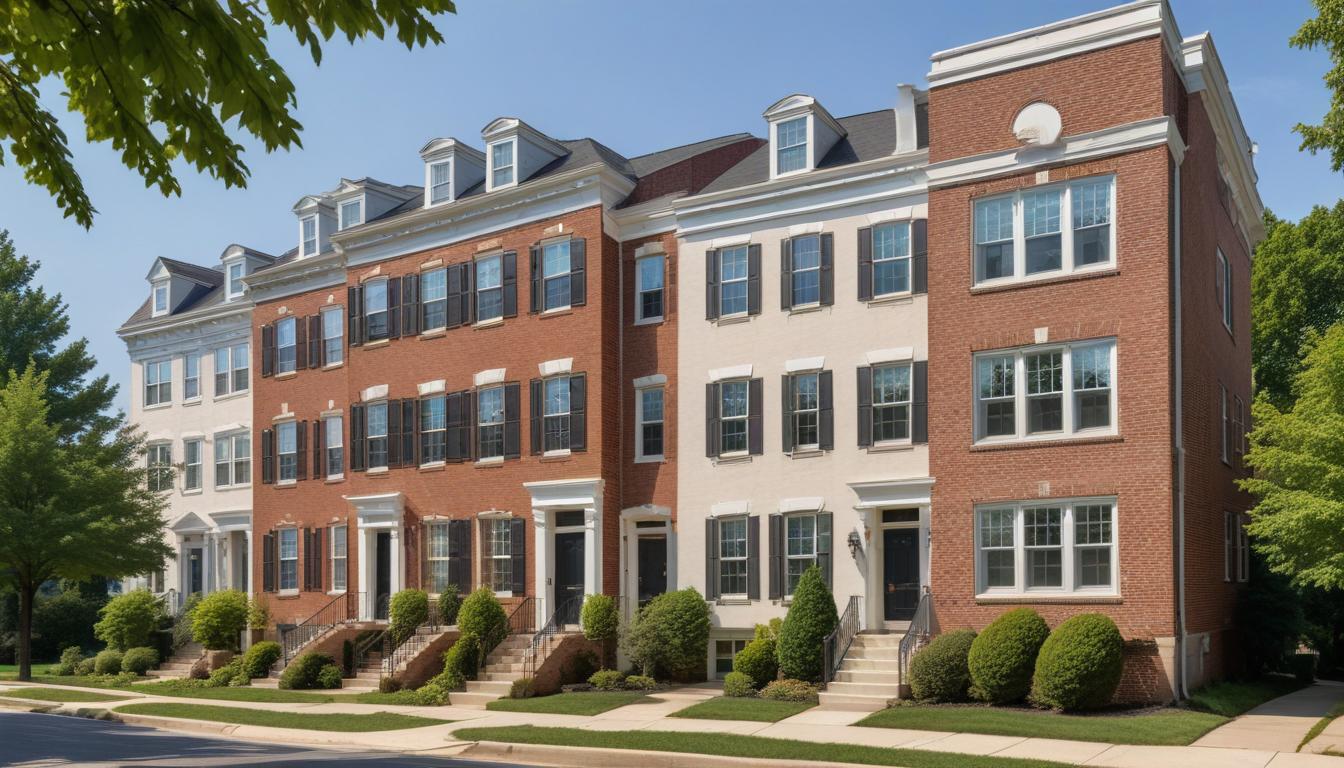
Washington DC's skyline tells a story of relentless transformation. Cranes dot the horizon above H Street's revitalizing corridor, while Navy Yard continues its metamorphosis from industrial waterfront to mixed-use destination. For first-time buyers, this construction surge presents opportunity—and significant complexity.
The fundamental challenge: new developments move at bureaucratic speed, even when they look ready tomorrow. The DC Office of Planning and Zoning (OP) processes applications through multiple stages. A project might receive initial approval but face 18–24 months before residents receive keys. First-timers often underestimate this gap, signing contracts on speculative timelines that shift.
Start by distinguishing pre-construction from move-in-ready. Pre-construction units along the H Street corridor or emerging Navy Yard projects typically offer 15–20% discounts compared to resale prices. But you're betting on completion dates and market conditions two years forward. The DC Department of Housing and Community Development publishes approval calendars; cross-reference them against developer timelines before committing.
Location matters more in new developments than anywhere else. Navy Yard's waterfront proximity justifies premiums, but H Street's renaissance is uneven block-by-block. Walk the streets during different hours. A gleaming lobby entrance doesn't guarantee neighborhood foot traffic or Metro accessibility at 7 a.m. Georgetown and Capitol Hill remain premium anchors, but newer projects in these areas command prices at or above the DC median of $700,000—sometimes significantly higher for trophy units.
Second, scrutinize the developer's track record. Major regional builders have established histories; smaller operators occasionally abandon projects or default. Request financial statements and completed projects. The DC Rental Housing Commission and Office of Planning maintain databases of active projects and developer compliance records.
Third, understand what you're buying. New construction often means HOA fees ranging from $300–$800 monthly, sometimes with special assessments for building defects discovered post-occupancy. Review the structural warranty terms and reserve fund studies—these predict future major repairs and cost increases.
Finally, work with a buyer's agent familiar with new development contracts. Standard real estate agreements don't protect pre-construction buyers adequately. Agents versed in DC's approval process can flag red flags: financing contingencies, builder-friendly appraisal clauses, or unrealistic occupancy dates.
The construction boom is real. So is the risk for uninformed buyers. Patience, diligent research, and local expertise transform DC's development frenzy from a maze into a navigable opportunity.
This article was compiled by AI from the sources linked above and screened before publishing. See our editorial standards.