DC's Luxury Market Defies Slowdown: What's Really Driving $3M+ Properties and What Buyers Must Know Now
Interest rates and inventory tightness are reshaping who can afford Washington's most exclusive addresses—and where smart money is betting.
Interest rates and inventory tightness are reshaping who can afford Washington's most exclusive addresses—and where smart money is betting.
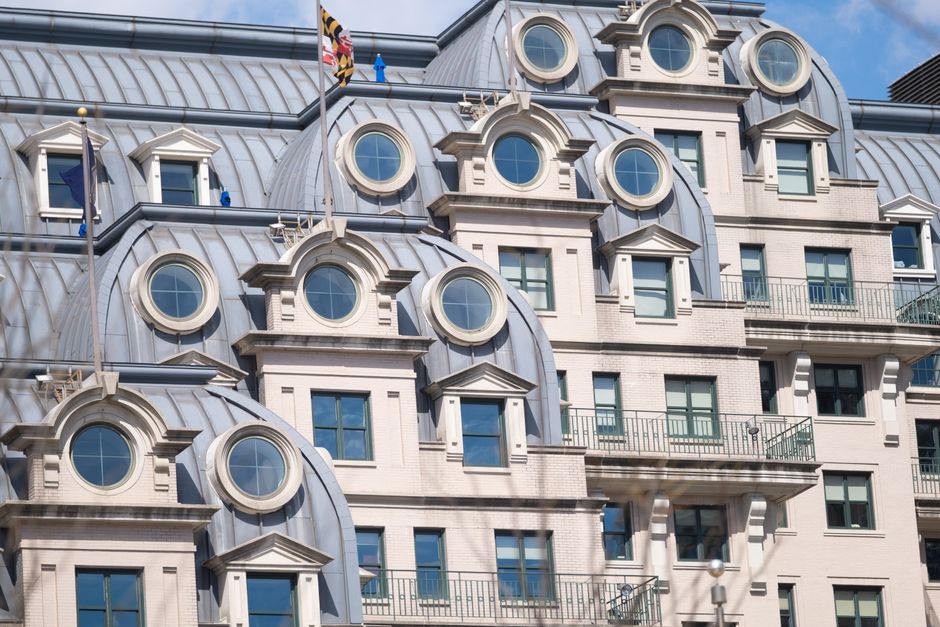
Washington DC's luxury property market is operating in a parallel universe to the broader slowdown. While median home prices across the city hover around $700,000, the ultra-premium segment—properties $3 million and above—remains remarkably resilient, driven by a perfect storm of scarcity, institutional wealth, and geographic constraints that favour established prestige addresses.
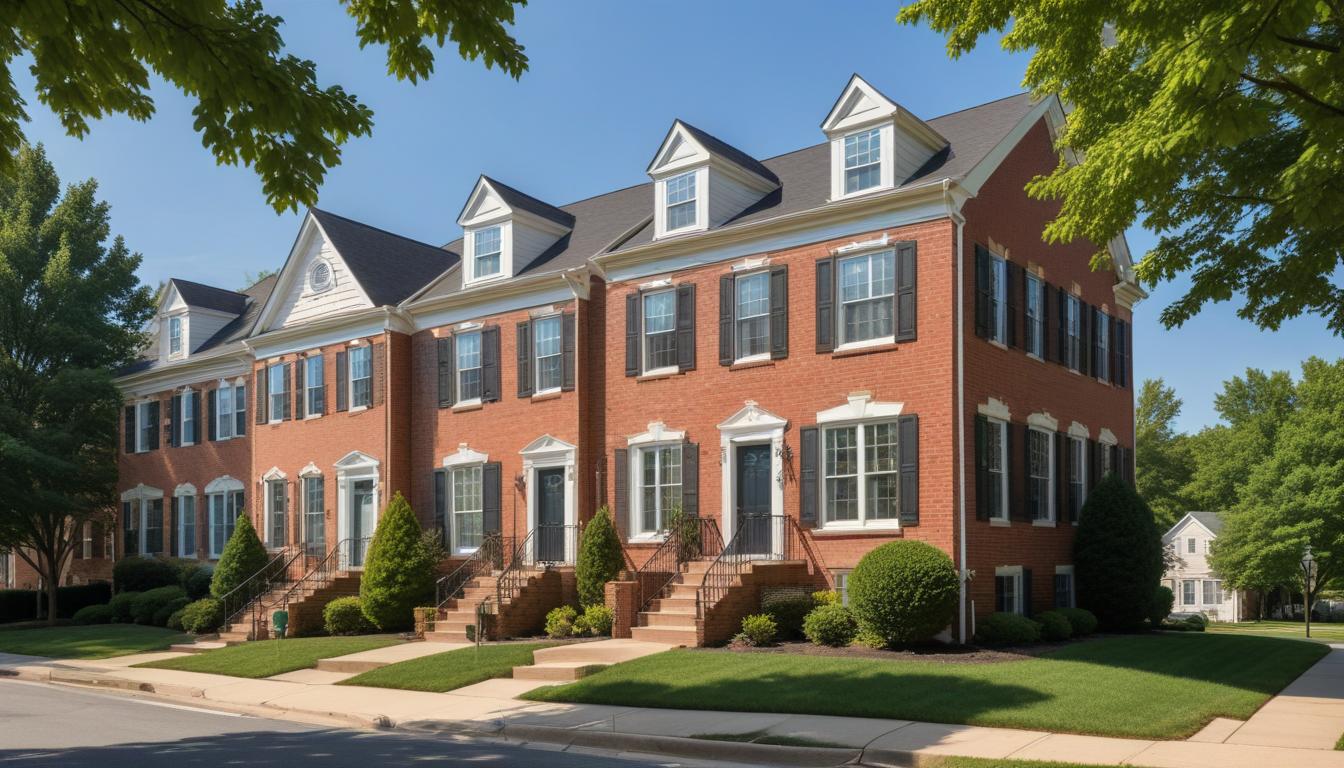
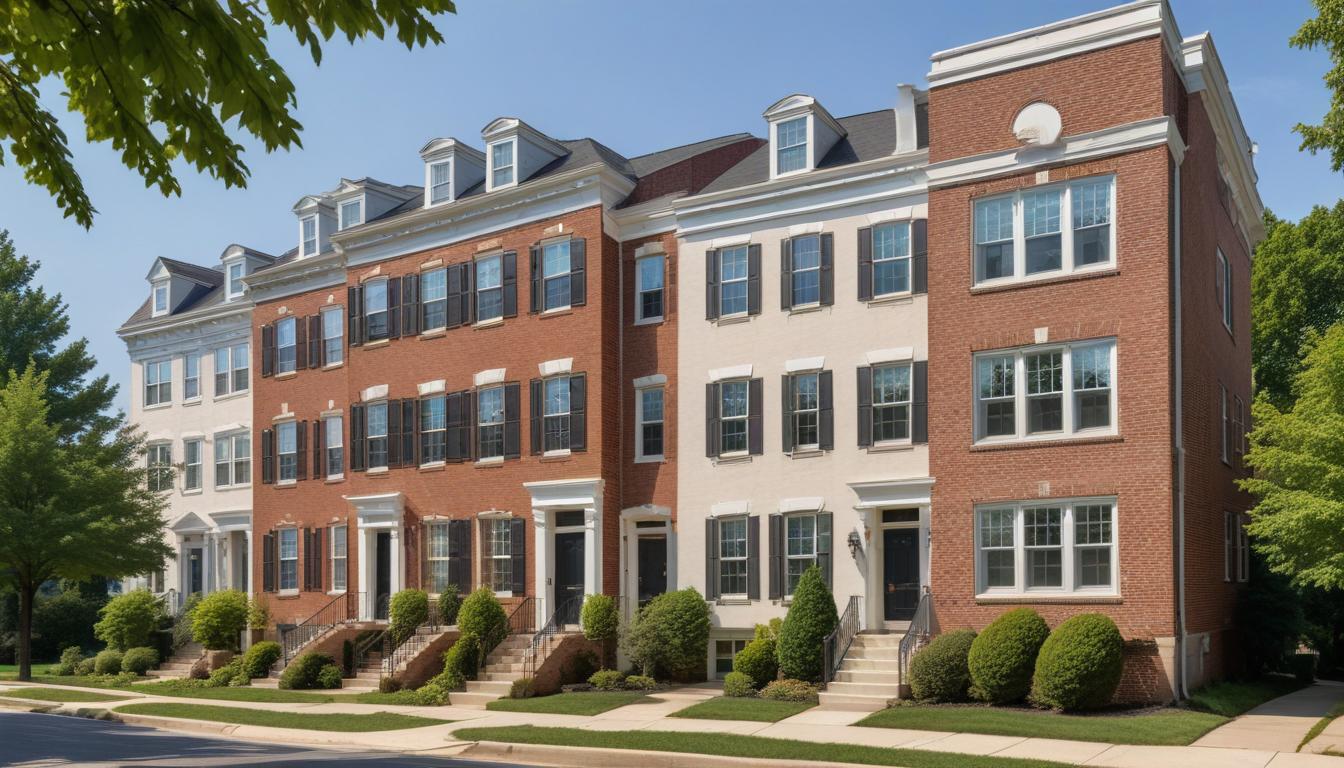
Georgetown and Capitol Hill remain the gravitational centres of DC luxury, where tree-lined streets and 19th-century character command premiums that feel immune to economic cycles. A Georgetown townhouse on N Street typically lists between $2.8 million and $4.5 million, with inventory so sparse that price discovery has become almost theoretical. The neighbourhood's appeal is architectural—those brick facades and ironwork—but it's also existential: there's simply nowhere else like it in the region, and they're not making more of it.
What's genuinely shifted, though, is the buyer profile and financing reality. Rising interest rates mean that all-cash purchases now represent nearly 45% of luxury transactions in DC, up from roughly 35% in 2023. International buyers, particularly from Asia and the Middle East, are filling this gap, viewing DC real estate as geopolitical stable-ground rather than a speculative play. Meanwhile, domestic ultra-high-net-worth buyers are increasingly selective, favouring properties with dedicated office space and outdoor amenities—pandemic lessons that haven't faded.
The transformation corridors—H Street NE and Navy Yard—tell a different story. These neighbourhoods have graduated from speculative to serious, with new luxury residential towers attracting younger wealth accumulation. A penthouse at one of the new Navy Yard developments now commands $2.2 to $2.8 million, a price point unthinkable five years ago. The appeal here is different: walkability to restaurants, galleries, and Yards Park; proximity to Capitol Hill without its premium tax.
For buyers now, the critical knowledge point is timing versus terms. A $3.5 million Georgetown purchase financed at current rates will cost substantially more over its lifecycle than the same property would have in 2021. This has created a bifurcation: either deploy capital in cash (advantageous for wealth preservation) or wait for rate environment shifts (risky given inventory tightness).
The secondary story is Northern Virginia's quiet encroachment. Arlington and Alexandria have matured beyond commuter-relief status; they're now legitimate luxury destinations, offering newer construction, lower price-per-square-foot, and estate-scale properties on larger lots. For buyers seeking space and modern systems without Georgetown's premium, the suburbs have become intellectually defensible.
The luxury market reward goes to informed, patient buyers who understand that DC's prestige addresses are priced for permanence, not speculation. That's what has changed.
This article was compiled by AI from the sources linked above and screened before publishing. See our editorial standards.
How does this story make you feel?
Spread the word
About this article
Published by The Daily Washington DC
Daily brief
Free, in your inbox before 7am. Weekdays.
More in Property