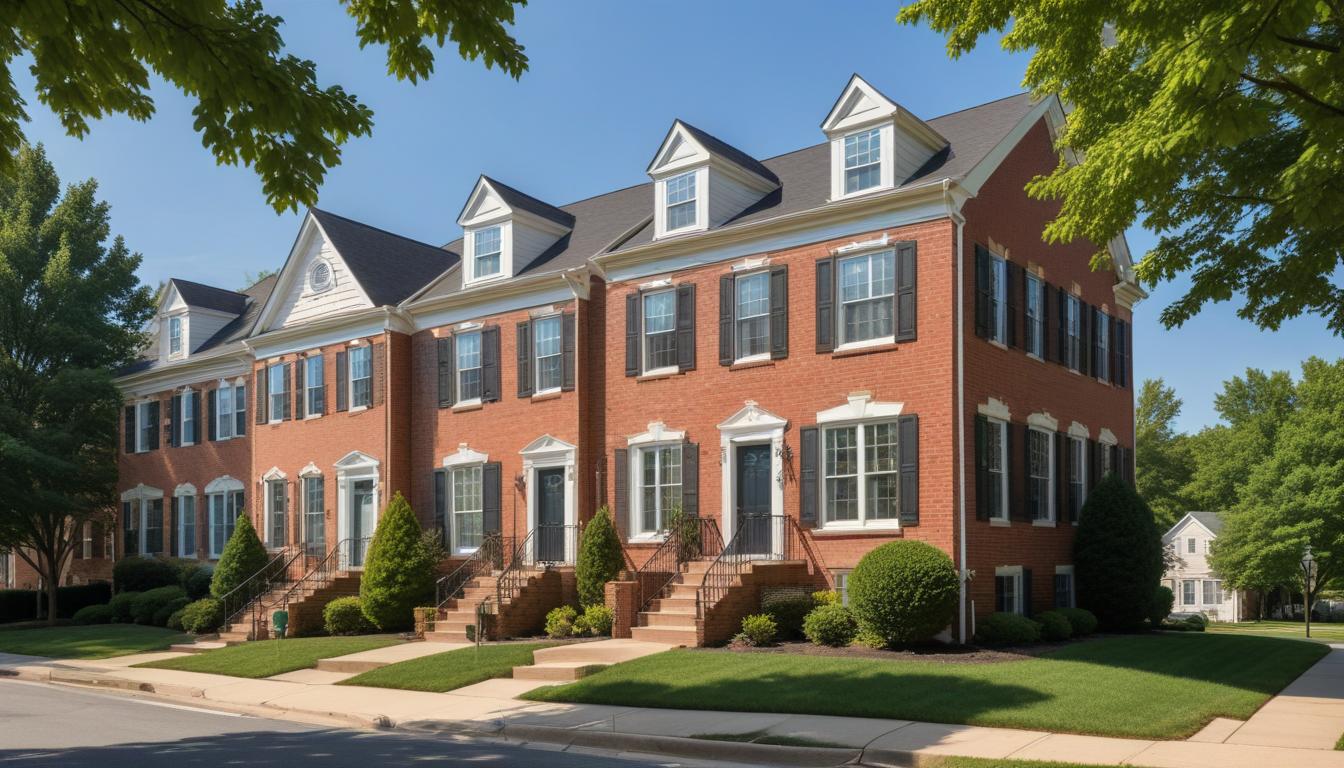
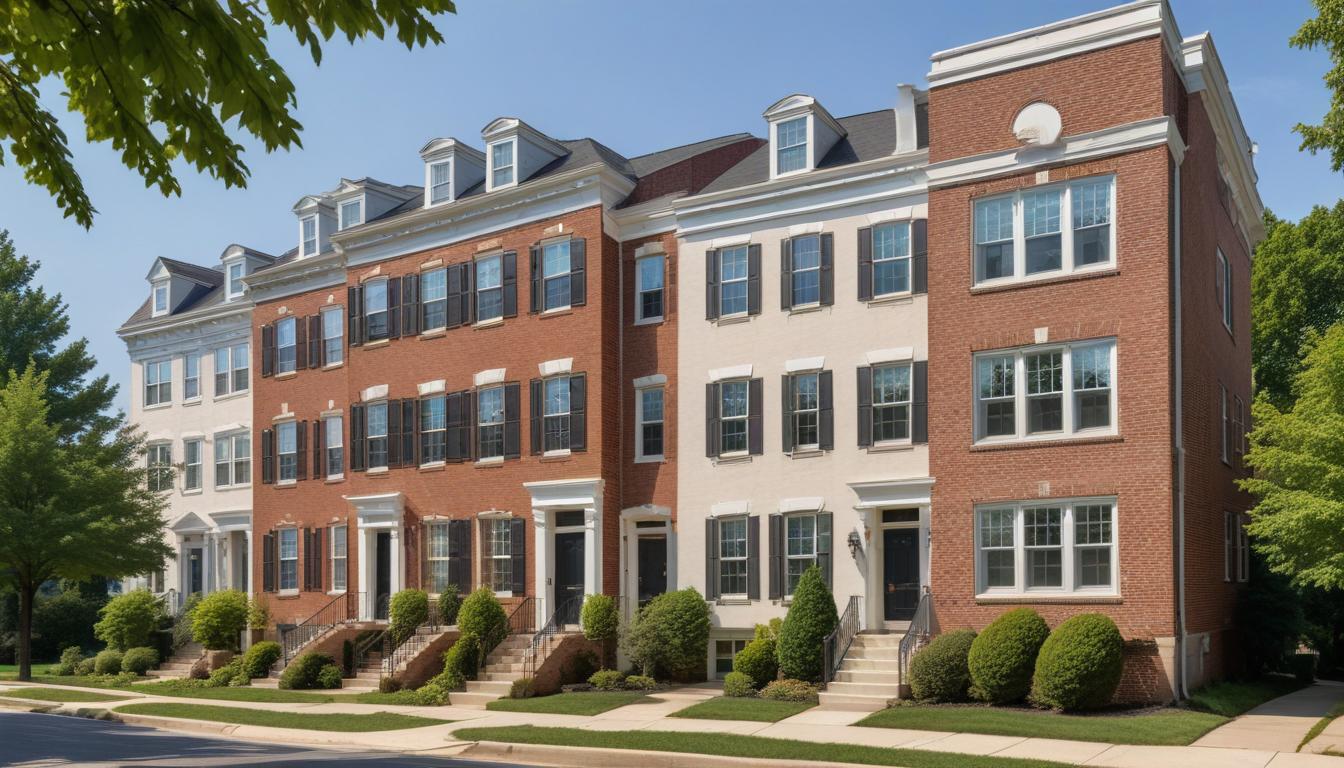
Washington DC's property development pipeline has matured into a reliable wealth generator for institutional investors, but the numbers tell a more nuanced story than headlines suggest. With the city's median home price hovering around $700,000 and Capitol Hill commanding a premium, savvy investors are parsing returns across neighbourhoods to separate opportunity from hype.
The Navy Yard-Capitol Riverfront district offers the clearest picture. Mixed-use developments completed in the past 18 months have delivered rental yields averaging 4.2 to 4.8 percent—above the national benchmark—while residential units appreciate at roughly 3.5 percent annually. Projects anchored by the Navy Yard Metro station, where proximity to employment centres along K Street NW drives tenant demand, have outperformed suburban comparables in Northern Virginia by nearly two percentage points. Investors who acquired land when the neighbourhood was still industrial are seeing their returns multiply as the Wharf's success validates waterfront redevelopment.
H Street NE presents a different calculus. Construction approvals through the historic corridor have accelerated, with mixed-use towers now dominating several blocks between 6th and 13th Streets. Initial data from completed units shows strong absorption—occupancy rates above 92 percent—but cap rates have compressed to 3.8 to 4.1 percent as purchase prices have risen faster than rental income growth. The neighbourhood's popularity is creating a crowded investment landscape where newer entrants face thinner margins than early adopters.
Georgetown's limited development pipeline continues to favour existing owners. With few shovel-ready sites available and zoning restrictions tight, new construction remains sparse. Commercial yields there languish around 3.2 percent, but the neighbourhood's immutable scarcity—and Capitol Hill's adjacent premium positioning—provides ballast against downside risk.
The approval environment matters too. The DC Department of Housing and Community Development reported 847 housing unit approvals through the first half of 2026, slightly down from 2025, suggesting the pipeline is normalising after years of aggressive zoning. Investors tracking permitting data see this as stabilising supply, which typically supports yield compression in hot neighbourhoods while creating opportunity elsewhere.
What's becoming clear is that DC development returns reward precision. Investors who placed capital in Navy Yard five years ago are harvesting substantial gains; those entering H Street now are purchasing quality assets at fair prices. The city's transformation from a government town to a mixed-economy hub means construction approvals increasingly follow employment and transit access—the oldest rules, proving durable once again.
This article was compiled by AI from the sources linked above and screened before publishing. See our editorial standards.