The DC Zoning Commission has granted final approval for a 18-story mixed-use development at 9th and H Streets NW, clearing the way for a $380 million project that will introduce 450 residential units and 25,000 square feet of ground-floor retail to a corner that has sat largely vacant since the 2008 recession.
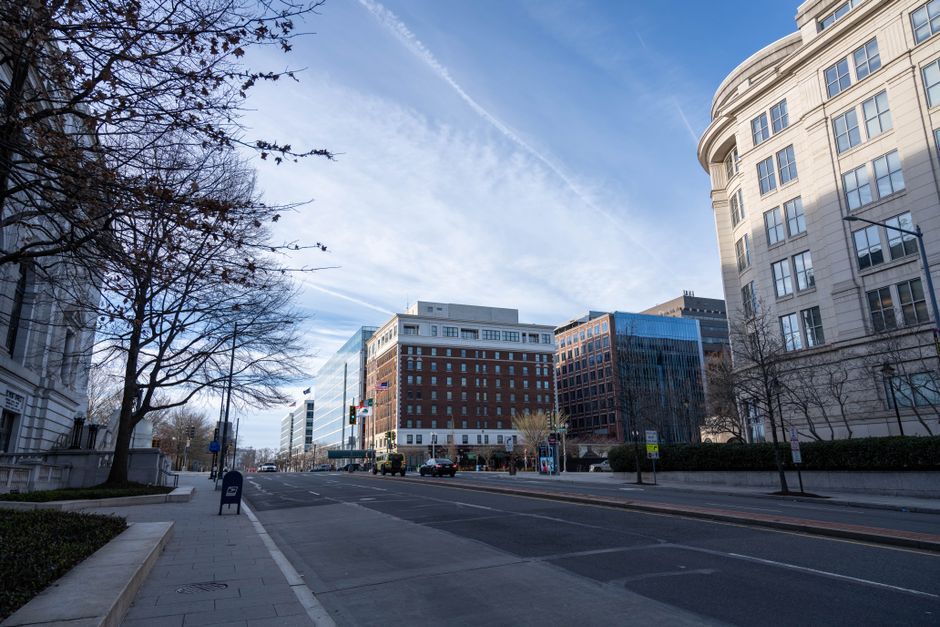
The approval, granted unanimously on June 22nd, represents a watershed moment for downtown revitalization efforts. The site, currently a surface parking lot, sits within a block of Gallery Place and the Gallery Place–Chinatown Metro station, positioning it at the heart of the District's central business district where median rents have climbed to $2,400 for a one-bedroom apartment—a 12 percent increase since 2024.
The development will comprise 280 market-rate units and 170 affordable apartments, with 15 percent of all units reserved at 60 percent of the area median income, exceeding the District's inclusionary zoning requirements. Developers have also committed to 180 below-grade parking spaces and $2.1 million in public benefits funding, directed toward schools and transit improvements in the neighboring Mount Vernon and Penn Quarter communities.
"This is exactly the kind of infill development we need," said a spokesperson for the Downtown DC Business Improvement District. "We're competing with NoVa suburbs and emerging neighborhoods like H Street and Navy Yard. Projects like this keep the core vibrant."
The approval comes as downtown grapples with elevated office vacancy rates—currently hovering near 17 percent citywide—forcing developers and city planners to recalibrate. Residential conversion and ground-floor activation have become strategic priorities, with the District's recent zoning overhaul making it easier to repurpose underutilized commercial space.
Comparable developments in similar downtown locations have commanded premium pricing. A recent transaction near Judiciary Square saw new apartments lease at $2,800–$3,200 monthly, while the Gallery Place corridor—anchored by retail giants and consistent foot traffic—typically outperforms broader downtown averages.
The project is expected to break ground in Q4 2026, with phased occupancy beginning in 2029. It joins a handful of major residential projects reshaping the CBD's identity, signaling that downtown's evolution from primarily office-oriented to mixed-use urbanism is accelerating. For a market where Capitol Hill and Georgetown have long commanded premium valuations, the strategic recapture of center-city real estate could help rebalance the District's property landscape.
This article was compiled by AI from the sources linked above and screened before publishing. See our editorial standards.