What's Really Driving DC Home Prices—And What Buyers Need to Know Right Now
As the capital's median hits $700k, remote work reversals and supply crunches are reshaping who can afford where.
As the capital's median hits $700k, remote work reversals and supply crunches are reshaping who can afford where.
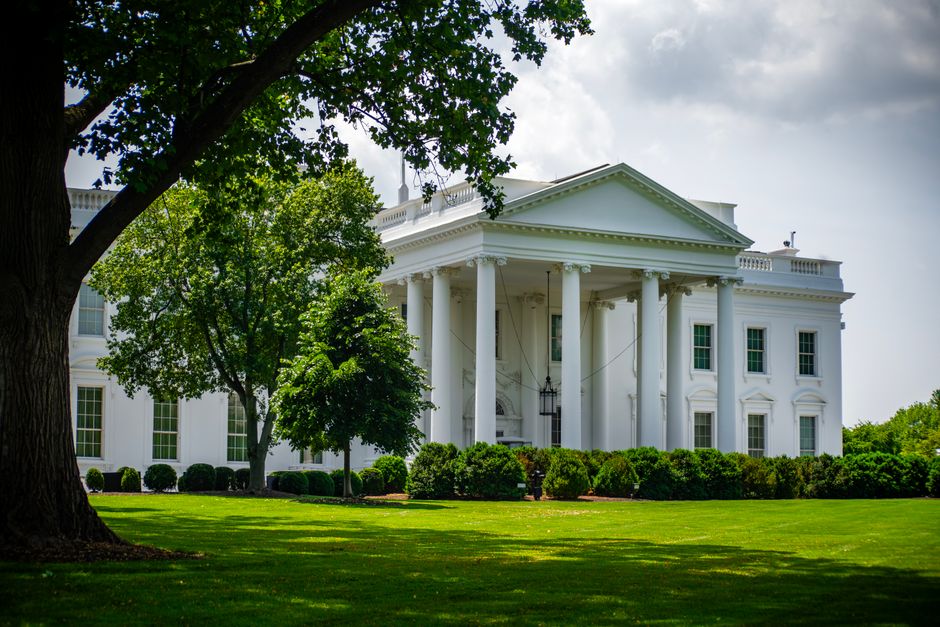
Washington DC's housing market has entered a peculiar moment. After years of pandemic-driven migration patterns loosening urban cores, the return-to-office mandate—now affecting federal workers and major employers across K Street and beyond—is yanking demand back into the District itself. The result: prices that remain stubbornly elevated even as mortgage rates hover near 7 percent, creating a squeeze for anyone hoping to buy.
The median home price sits at $700,000, according to recent data, but that figure masks dramatic neighborhood disparities. Capitol Hill and Georgetown remain aspirational, with row houses regularly commanding $1.2 million or more. However, transforming corridors like H Street and Navy Yard offer comparative bargains—often in the $650,000 to $850,000 range—though investors have already priced in future gentrification. Northern Virginia suburbs remain competitive too, particularly Arlington and Alexandria, where buyers facing DC sticker shock are increasingly settling.
The core driver remains simple: inventory scarcity. Many homeowners locked into 2.5 to 3.5 percent mortgage rates show no appetite to sell and refinance at triple those rates. The District has limited vacant land for new construction, and zoning restrictions continue to constrain multifamily development that might ease pressure from below. Meanwhile, institutional investors and foreign capital still view DC property as recession-resistant, particularly near Metro stations or federal employment hubs.
For buyers entering now, the calculus has shifted. The days of bidding wars are fading—multiple offers remain rare—but sellers have priced in inflation and held firm. A financial advisor's rule of thumb suggests spending no more than 28 percent of gross income on housing; in DC, that math increasingly fails for households earning under $250,000 annually.
First-time buyers should examine neighborhoods outside the historic premium zones. Emerging areas along the Metro's Green and Yellow lines, or older suburbs like Takoma Park, offer relative value. Additionally, understanding zoning changes matters: the city's ongoing housing initiatives may eventually unlock denser development, potentially moderating long-term price growth in currently undersupplied neighborhoods.
The Federal Reserve's future rate decisions remain the wild card. If inflation cools and borrowing costs fall, pent-up inventory could flood the market, potentially softening prices. Until then, DC buyers should expect prices to remain elevated, but with slightly less urgency than the market exhibited in 2021 or 2022—a small mercy in an expensive city.
This article was compiled by AI from the sources linked above and screened before publishing. See our editorial standards.
How does this story make you feel?
Spread the word
About this article
Published by The Daily Washington DC
Daily brief
Free, in your inbox before 7am. Weekdays.
More in Property