Affordable Housing in Washington DC: Why Prices Hit $700K
Explore DC's housing crisis: zoning rules, shrinking inventory, and developer incentives driving prices up. Learn how to buy smart in 2024.
Explore DC's housing crisis: zoning rules, shrinking inventory, and developer incentives driving prices up. Learn how to buy smart in 2024.
Listen to this article · 3:52
Washington DC's housing market has reached a breaking point. With the median home price now hovering around $700,000, first-time buyers and middle-income families are being priced out faster than new developments can be built. But understanding what's driving these numbers—and what policy levers are actually being pulled—is crucial for anyone considering a purchase in the next 18 months.
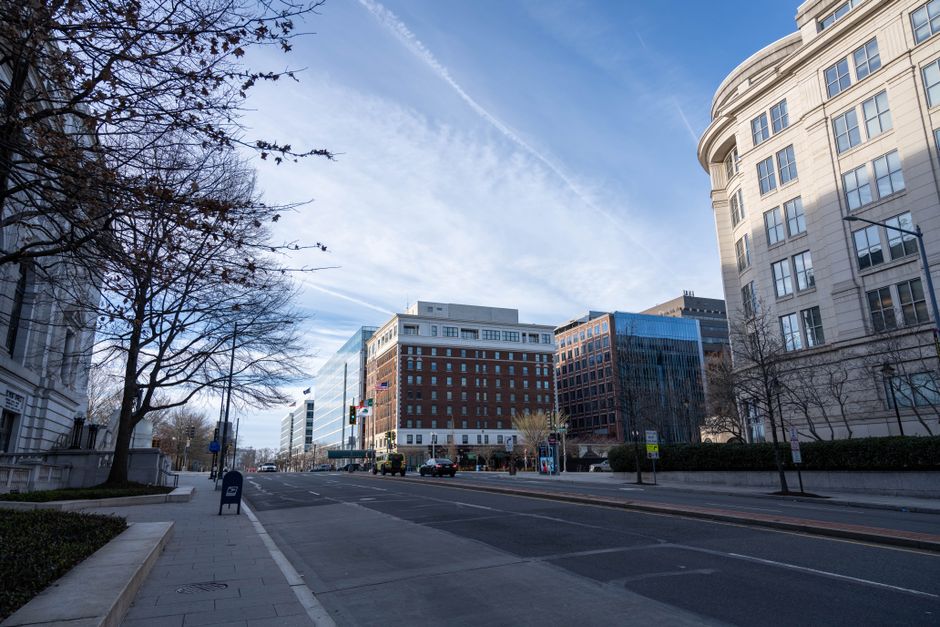
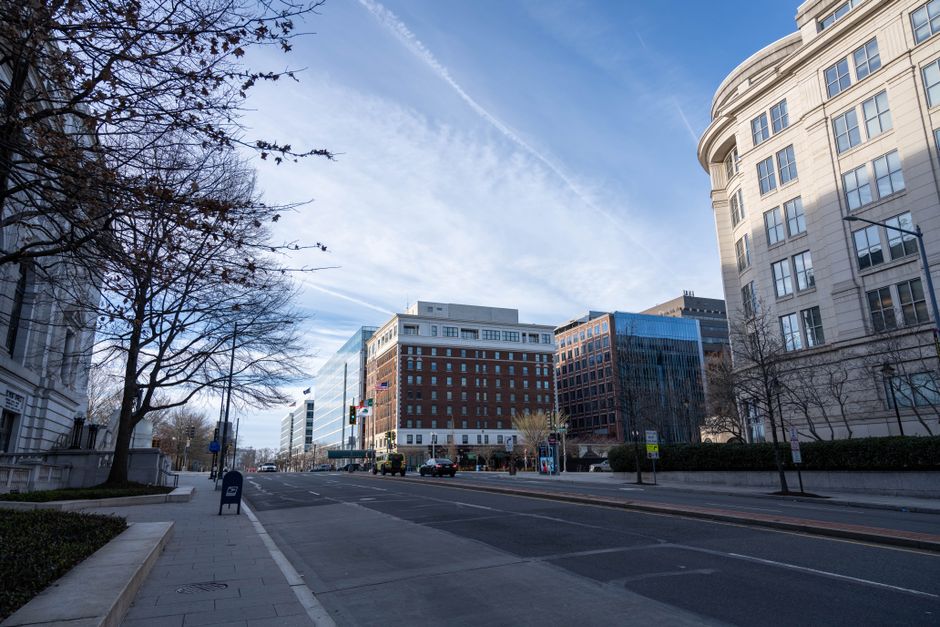
The culprit is multifaceted. DC's strict zoning regulations, designed to preserve neighborhood character, have throttled housing supply for decades. While areas like H Street NE and the Navy Yard waterfront have seen rapid transformation with mixed-use developments, much of the city remains locked into single-family zoning that prevents the density needed to increase affordable units. Meanwhile, developers have learned to chase the high-margin market: luxury condos on Capitol Hill command premium prices, while genuinely affordable stock languishes.
Here's what's changed on the policy front. In 2023, DC's Office of Planning began aggressive zoning reform, allowing for more multifamily housing in traditionally low-density neighborhoods. The Inclusionary Zoning (IZ) program now requires 10–15% of new residential projects to include affordable units—but the threshold for "affordable" (often pegged at 60–80% of area median income) leaves out teachers, nurses, and service workers earning $60,000–$80,000 annually. A two-bedroom in Petworth or Trinidad can still run $1,800–$2,200 monthly, making ownership a distant dream.
The affordable housing trust fund, bolstered by recent budget allocations, has acquired several parcels along the Anacostia waterfront and in Ward 7 for future community land trusts. These initiatives may eventually yield 500–800 permanently affordable units over five years—meaningful, but a drop in the bucket when thousands of units are needed annually.
For buyers navigating this landscape now, the calculus has shifted. Neighborhoods like Brightwood Park and Woodridge offer relatively more breathing room than Capitol Hill or Georgetown, though prices are climbing fast as word spreads. First-time homebuyer programs through the DC Department of Housing and Community Development still offer down payment assistance and favorable terms, but competition is fierce and eligibility caps can exclude those just above the threshold.
The uncomfortable truth: without rapid zoning reform, aggressive public investment in truly affordable stock, and developer models that prioritize community benefit over maximum profit, DC will continue hollowing out its middle class. Buyers should act strategically, look beyond hot zip codes, and factor in long-term neighborhood stability—not just appreciation potential—when deciding where to invest.
This article was compiled by AI and screened before publishing. See our editorial standards.
How does this story make you feel?
Spread the word
About this article
Published by The Daily Washington DC
Daily brief
Free, in your inbox before 7am. Weekdays.
More in Property