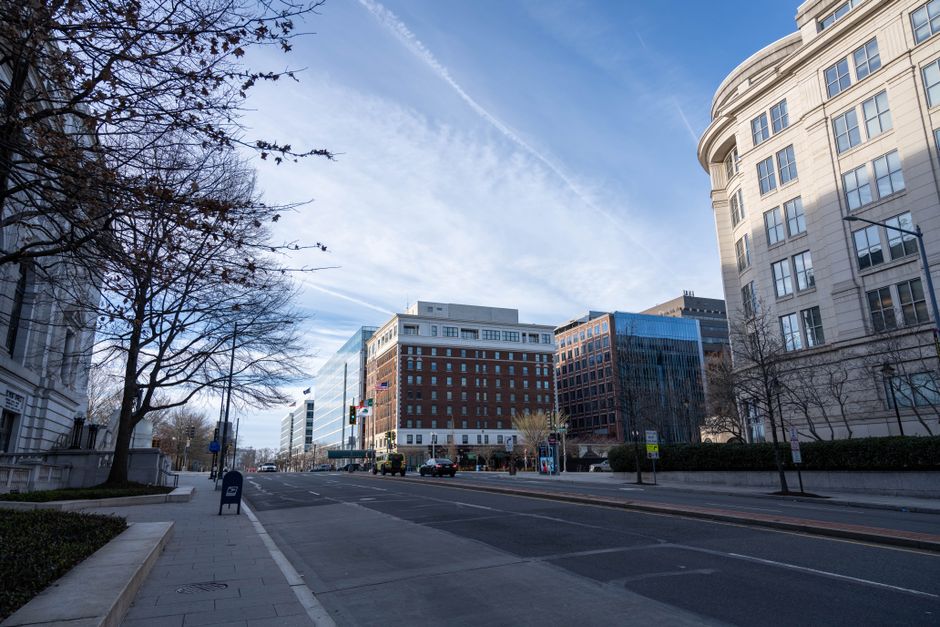
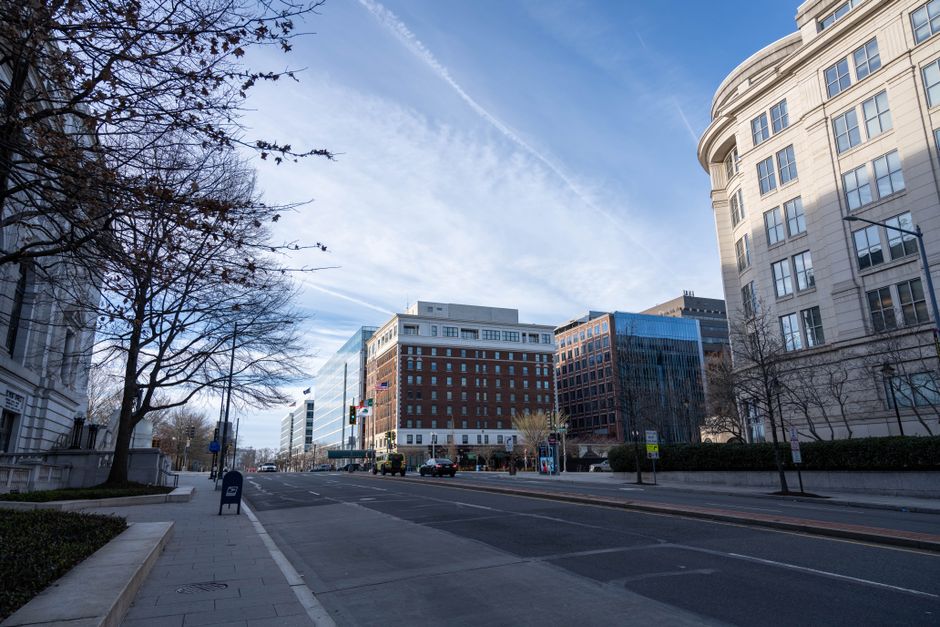
New zoning rules accelerate development along H Street corridor, reshaping DC's housing supply
Planning board decisions to streamline approval processes are unlocking stalled projects, but affordability questions linger as median prices near $700k.
Planning board decisions to streamline approval processes are unlocking stalled projects, but affordability questions linger as median prices near $700k.
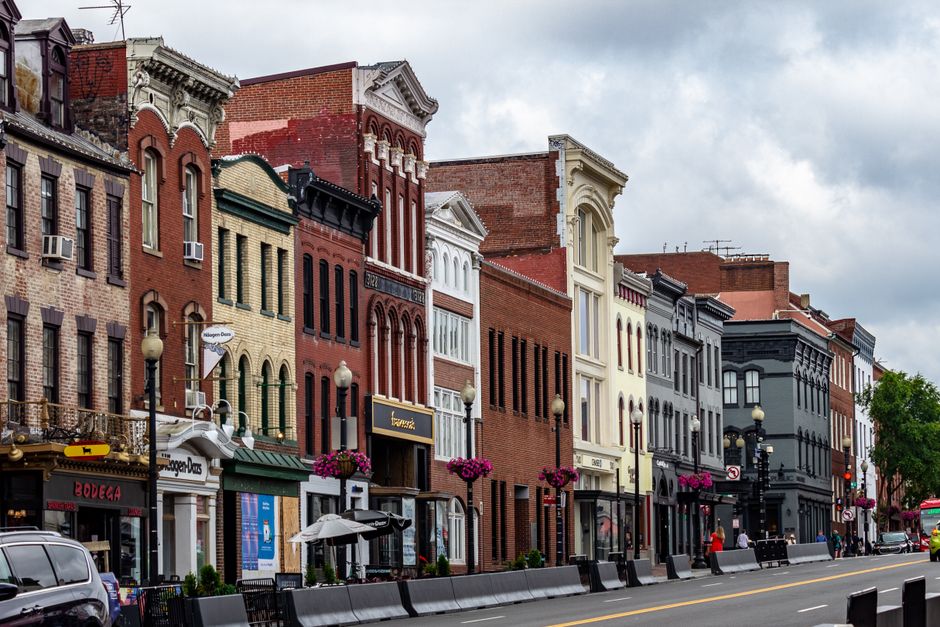
Washington DC's planning landscape shifted noticeably this spring when the Zoning Commission fast-tracked approval for mixed-use developments along H Street NE, a move that industry insiders say will reshape housing supply across the corridor for years to come. The policy change—allowing for expedited review of projects meeting specific affordability benchmarks—has already unlocked three dormant sites between 7th and 13th Streets, with groundbreaking expected within eighteen months.
The decisions matter enormously in a market where DC's median home price hovers around $700,000, pricing out many middle-income buyers who once anchored neighbourhoods like Capitol Hill and H Street itself. Developer applications that languished for 24 months suddenly cleared preliminary review in under four weeks, signalling a city willing to trade procedural friction for housing volume.
"The bottleneck was always approval timelines, not land availability," explains the Office of Planning's recent impact assessment. Projects on H Street NE—traditionally a commercial corridor undergoing rapid gentrification—now face clearer pathways if they commit to 15 percent affordable units or donate development rights. Two projects involving respected local firms are advancing: a 185-unit mixed-income building at 1300 H Street and a 96-unit conversion of a former warehouse south of Florida Avenue.
But the velocity comes with trade-offs. Community groups representing long-term residents question whether 15 percent affordability meets genuine need in a neighbourhood where rents have doubled since 2019. Meanwhile, Navy Yard–Ballpark—already transformed by the baseball stadium and new waterfront projects—is seeing speculative interest intensify, with several proposals now pending that capitalise on the new streamlined process.
Georgetown and Capitol Hill remain premium markets, with Georgetown properties commanding consistent price premiums. Yet the H Street changes may gradually redistribute demand, offering developers incentives to build outside the traditional hotspots. Northern Virginia suburbs, already competitive, could see softer pressure if DC projects proceed as currently planned.
The real test arrives in 24 months. If these expedited projects deliver housing at scale and maintain affordability commitments, the model could expand citywide—potentially reshaping DC's notorious slow-moving development timeline. If affordability targets prove token and gentrification accelerates, expect renewed calls for even stricter requirements. For now, the planning board's gamble is in motion, and the market is watching closely.
This article was compiled by AI and screened before publishing. See our editorial standards.
How does this story make you feel?
Spread the word
About this article
Published by The Daily Washington DC
Daily brief
Free, in your inbox before 7am. Weekdays.
More in Property