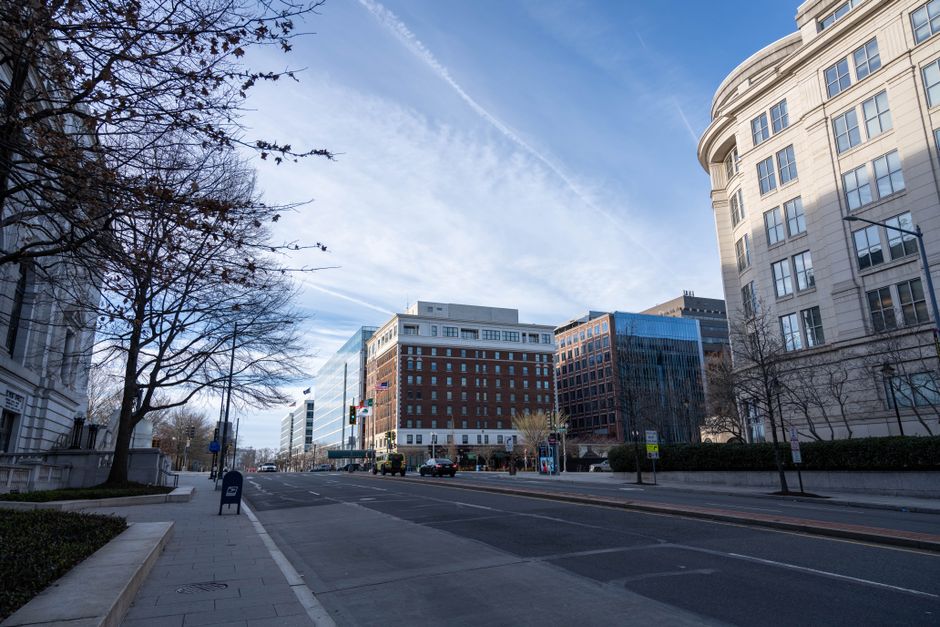
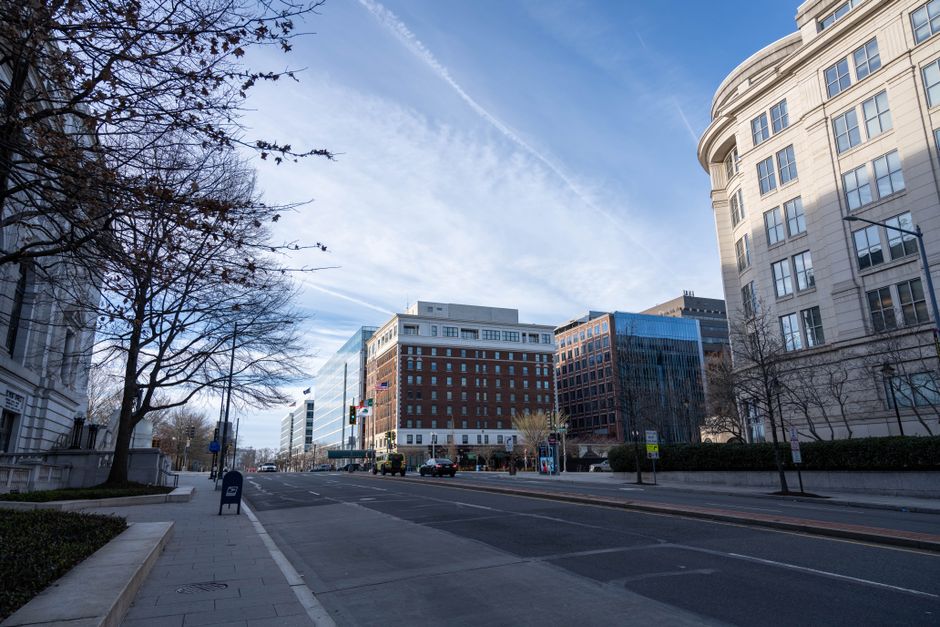
Washington DC's development calendar is packed tighter than a Metro Red Line at rush hour. With the District's median home price holding steady around $700,000, developers are racing to meet demand in neighbourhoods that have historically been affordable. What's being built now—and where—will determine whether working professionals can afford to live here in five years.
The transformation is most visible along the H Street corridor and Navy Yard, where three major mixed-use projects are breaking ground or nearing completion. A 28-storey residential tower at the intersection of H and 6th Streets NE will deliver 340 units, with roughly 15 percent set aside as affordable housing. The project, expected to wrap by late 2027, sits directly between Capitol Hill and the rejuvenated Navy Yard neighbourhood—two postcodes that have seen prices climb 22 percent since 2022.
What troubles housing advocates is the unit mix. Most new development skews toward one- and two-bedroom apartments priced between $2,200 and $3,100 monthly—palatable for dual-income households but increasingly out of reach for single earners. The DC Office of Planning reports that only 18 percent of new units citywide are classified as affordable, falling short of the city's 25 percent target.
The second major project emerging from vacant commercial real estate is a mixed-use development on Massachusetts Avenue NW near the Howard University campus. This 420-unit conversion promises ground-floor retail and 150 below-market-rate apartments, a rarity in premium neighbourhoods. University officials view it as essential infrastructure for the surrounding community, which has long struggled with gentrification pressure.
Developers are also eyeing Northern Virginia suburbs, where land costs remain substantially lower and zoning permits denser residential construction. Arlington County is processing five applications for projects exceeding 200 units each—a signal that spillover demand from DC proper is accelerating. The median price in Arlington has already climbed to $685,000, nearly matching DC itself.
City planners acknowledge the tension: the District needs housing supply to moderate price growth, yet every new development risks accelerating the very displacement it aims to alleviate. The Zoning Commission is now requiring developers to demonstrate community benefit contributions—funding for transit improvements, public realm upgrades, and education programmes—alongside unit commitments.
By 2027, these projects will add supply to a market that absorbed 2,840 new units last year alone. Whether that translates to moderating rents or simply enabling further densification remains DC's most pressing urban question.
This article was compiled by AI and screened before publishing. See our editorial standards.