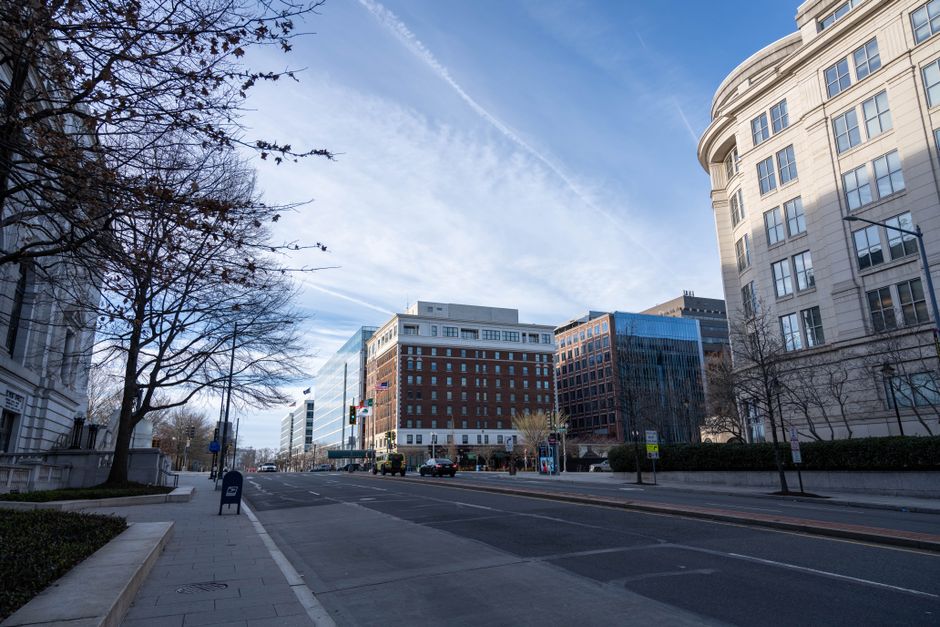
Takoma Park, long dismissed as the capital region's eccentric stepchild, is quietly becoming the next frontier for affordable and mixed-income housing development—a shift that's catching the attention of institutional investors and individual homebuyers priced out of Capitol Hill's $950,000 median and Georgetown's stratospheric peaks.
The transformation centres on a cluster of transit-oriented redevelopment projects along the Metro Red Line corridor, where the city's median home price hovers around $485,000—nearly 30 per cent below DC's current $700,000 benchmark. Recent zoning changes and a $200 million community development framework have unlocked unprecedented opportunities for mid-rise residential complexes designed to serve households earning 60 to 80 per cent of the area median income.
"Takoma Park represents genuine, unforced value," says a spokesperson for the Montgomery County Housing Opportunities Commission, which has greenlit three major mixed-income projects within walking distance of the Takoma Metro station. The largest, a 180-unit development on Philadelphia Avenue, reserves 45 units for households earning under $60,000 annually—a rarity in the current DC market.
What's driving developer interest extends beyond economics. The neighbourhood's established community fabric—anchored by venues like the Takoma Park Folk Festival and the district's legendary independent bookstore culture—offers something speculators found absent in H Street or Navy Yard during their initial booms: genuine, rooted neighbourhood identity that doesn't vanish once construction cranes depart.
Local advocacy groups have negotiated aggressively on affordability covenants, requiring 20-30 per cent affordable units in new projects—well above DC's current 10-12 per cent minimums. This has created a model that appeals to impact-focused institutional capital while remaining accessible to first-time buyers and working families.
For investors, the calculus is straightforward: property appreciation potential paired with social impact credentials. One local fund focused on community development recently allocated $35 million to Takoma Park acquisitions, citing "stronger long-term fundamentals than saturated inner-ring neighbourhoods."
The shift carries implications for DC's broader affordability crisis. If Takoma Park's model—robust transit access, enforced affordability requirements, and genuine community stewardship—proves replicable, it could offer a blueprint for other undervalued Metro-adjacent suburbs like Deanwood and parts of Northeast DC currently experiencing demographic transition.
Still, longtime residents remain cautious. The neighbourhood's progressive ethos has historically resisted unchecked development. Success will depend on whether incoming investment genuinely serves existing residents or simply displaces them further outward.
This article was compiled by AI and screened before publishing. See our editorial standards.