As Major Developments Rise Across DC, Renters Face a Shifting Vacancy Landscape
New apartment towers along the H Street corridor and Navy Yard waterfront are reshaping vacancy rates—and what tenants can expect to pay.
New apartment towers along the H Street corridor and Navy Yard waterfront are reshaping vacancy rates—and what tenants can expect to pay.
Listen to this article · 3:37
Washington DC's rental market is entering a pivotal moment. With more than 8,000 new apartment units expected to deliver across the District over the next three years, the interplay between new construction and tenant leverage is redefining how renters navigate neighbourhoods from Capitol Hill to the emerging waterfront districts.
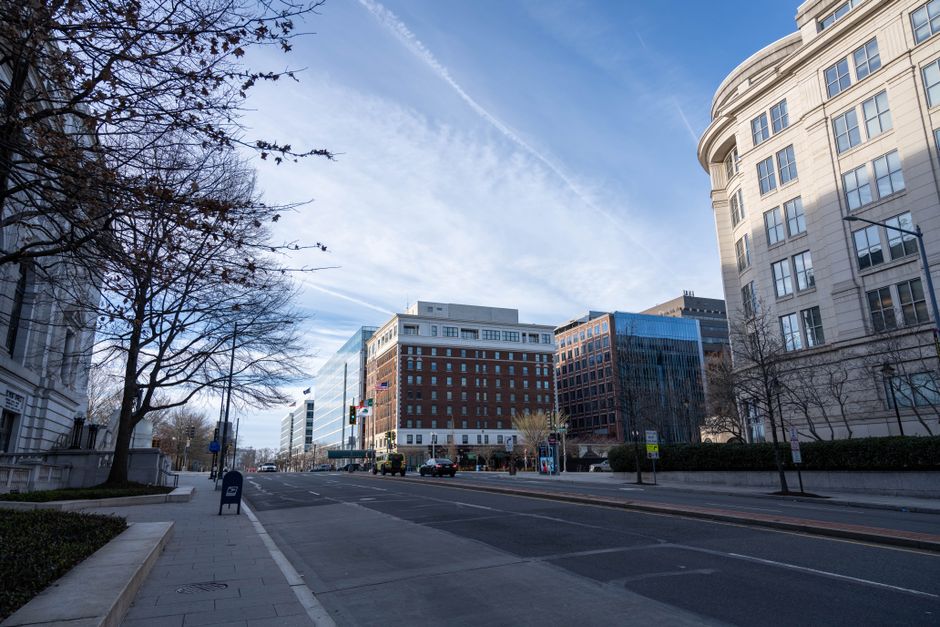
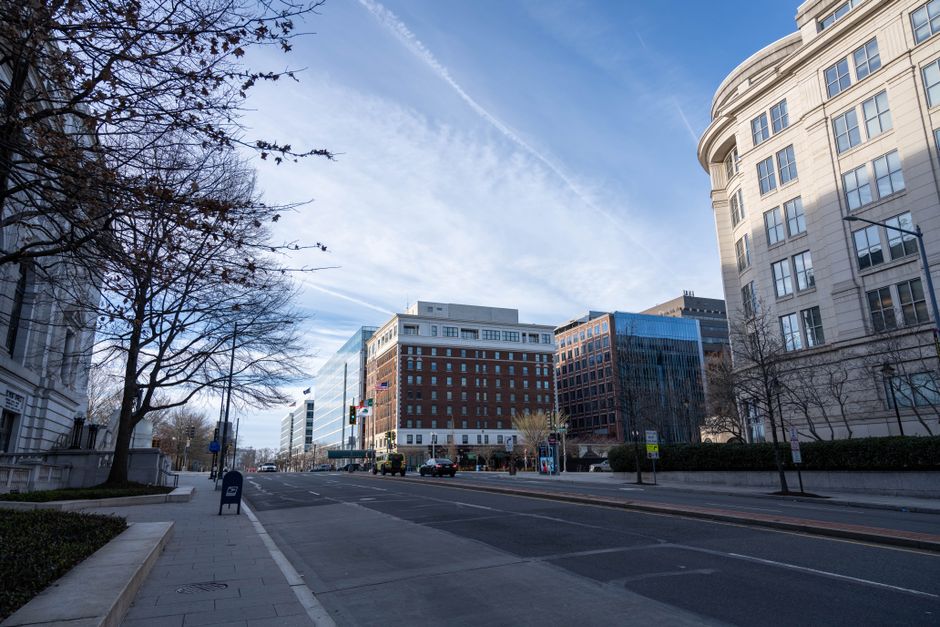
The transformation is most visible along H Street NE and near the Navy Yard-Ballpark Metro station, where mixed-use towers have fundamentally altered neighbourhood character and availability. According to recent market data, these corridors are absorbing a significant portion of the District's new supply, with vacancy rates in newly constructed buildings hovering between 6-8%—meaningfully higher than the sub-3% rates typical in established Capitol Hill and Georgetown pockets. For renters, this creates genuine negotiating space that hasn't existed for years.
"New development is a double-edged sword," explains the perspective many tenant advocates hold: while added supply theoretically moderates rent growth, it often concentrates in specific zones, leaving historic neighbourhoods untouched. A one-bedroom in a pre-war building near Dupont Circle still commands premium rates, while similar layouts in freshly completed Navy Yard towers may include three months free rent or reduced move-in costs.
The numbers tell the story. Median rent across the District hovers near $1,900 monthly for a one-bedroom, but newly delivered units along the H Street corridor and in Ivy City are entering the market 10-15% below comparable established neighbourhoods. Projects like those anchoring the NoMA district continue attracting young professionals and families seeking newer construction, amenities, and proximity to Metro access.
However, development unevenness creates persistent inequity. While waterfront areas see surging options, neighbourhoods east of the Anacostia River remain undersupplied despite growing demand. This geographic mismatch means some renters enjoy genuine choice, while others face persistent scarcity and climbing costs.
For prospective tenants, the practical lesson is clear: timing matters. Early leasing in newly opening buildings often yields concessions unavailable months later. Conversely, those flexible on location can capture significant savings by considering emerging neighbourhoods undergoing transformation.
As the pipeline slows beyond 2029, today's abundance will prove temporary. Renters weighing moves should factor neighbourhood trajectory alongside immediate pricing—a seemingly expensive Capitol Hill lease may offer stronger long-term stability than a discounted H Street unit in a market still stabilizing.
This article was compiled by AI and screened before publishing. See our editorial standards.
How does this story make you feel?
Spread the word
About this article
Published by The Daily Washington DC
Daily brief
Free, in your inbox before 7am. Weekdays.
More in Property