What DC's Auction Data Is Really Telling Buyers About Where to Invest Next
Recent sales velocity and price movements in overlooked neighbourhoods are flashing signals that savvy investors are already acting on.
Recent sales velocity and price movements in overlooked neighbourhoods are flashing signals that savvy investors are already acting on.
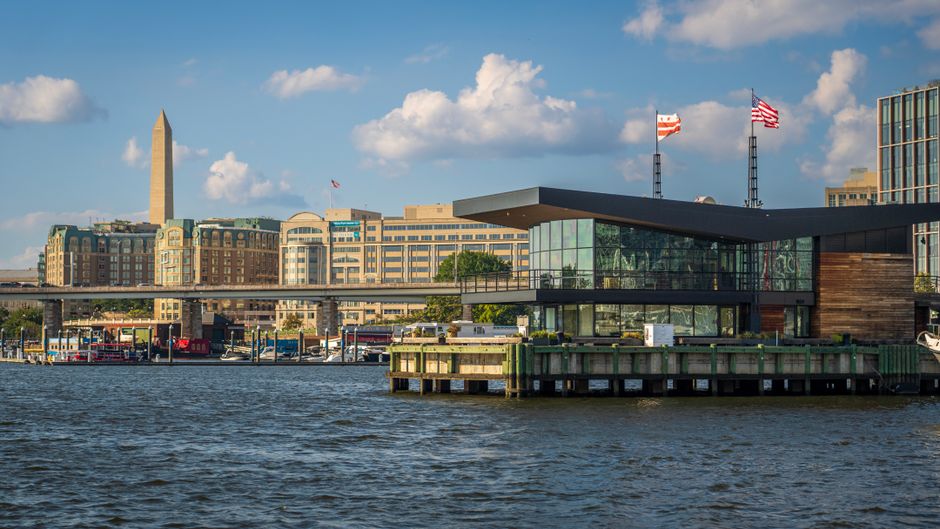
Washington DC's property market is sending contradictory signals depending on where you look—and the auction data tells a story that defies the simple narrative of uniform appreciation across the capital.
While Capitol Hill and Georgetown remain anchored above $1 million for median single-family homes, a different picture is emerging in neighbourhoods that auction houses and institutional investors are watching closely. Navy Yard-Ballpark, which five years ago was a speculative frontier, is now seeing auction results that suggest the easy gains may be tightening. Recent forced sales in the waterfront corridor have hovered around $650k–$750k, down from projected values, signalling either market saturation or selective buyer pullback.
The auction signal that matters more, however, is coming from H Street NE and its immediate surroundings. Properties that would have languished on the market in 2020 are now attracting multiple bids at auctions, with some closing 8–12 per cent above listing price. This velocity—the speed at which properties move from listing to sold—typically precedes neighbourhood-wide appreciation. The H Street corridor's transformation from a commercial wasteland into a mixed-use dining and retail hub has finally triggered investor confidence in the underlying residential stock on adjacent blocks around 9th and 10th Streets.
Petworth and Columbia Heights auction results reveal another pattern worth noting. Properties in the $500k–$650k range are moving faster than they were two years ago, but without the aggressive overbidding seen on H Street. This suggests a maturing market where appreciation expectations have reset to realistic single-digit annual growth rather than the double-digit jumps that characterised 2021–2023.
The data also flags a geographic divide forming in Northern Virginia suburbs. Auction activity in Arlington near the Ballston metro corridor remains competitive, but drift is visible in secondary corridors further west. Properties in Falls Church and Vienna are taking longer to sell at auction, even when priced competitively against their comps from 18 months ago.
What does this mean for investors? The auction calendar is broadcasting that neighbourhoods with authentic amenity growth—actual restaurants, office tenants, transit investment—are outperforming those relying solely on proximity speculation. H Street's data advantage over Navy Yard isn't mysterious: it reflects real economic activity, not just developer momentum.
For buyers hunting value, the auction boards suggest the window for sub-$600k properties in genuinely transforming neighbourhoods may be narrowing. The signal is clear: wait, and you'll pay more. Move now on H Street or upper Columbia Heights, and you're buying ahead of the next wave.
This article was compiled by AI and screened before publishing. See our editorial standards.
How does this story make you feel?
Spread the word
About this article
Published by The Daily Washington DC
Daily brief
Free, in your inbox before 7am. Weekdays.
More in Property