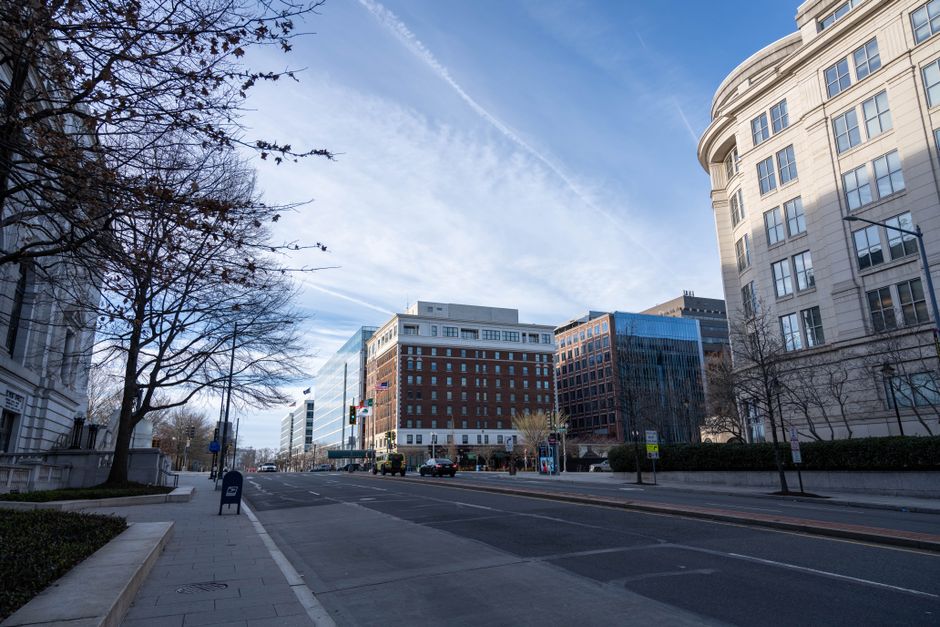
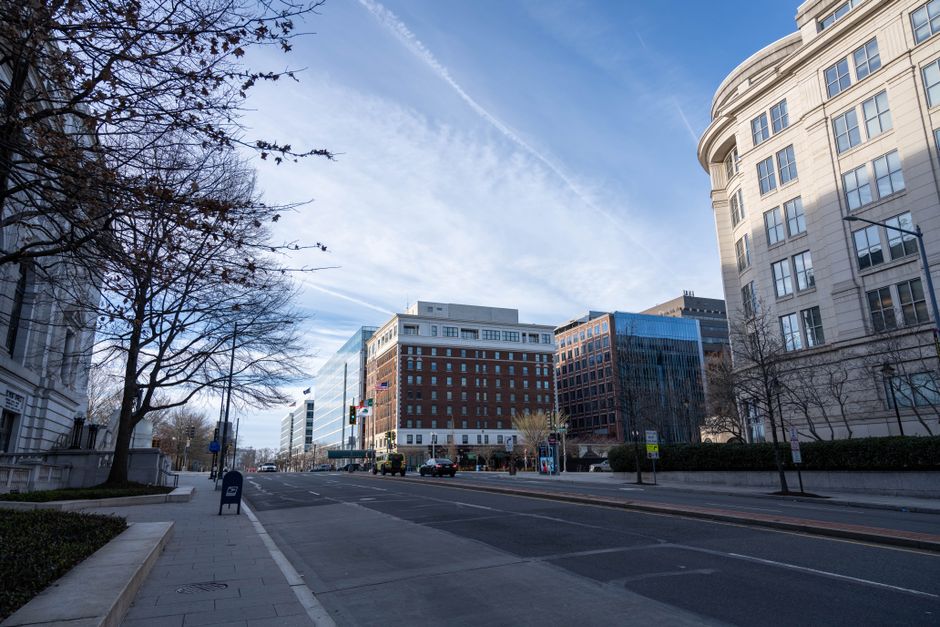
Washington DC's property investment landscape is entering a critical moment. The District's ongoing zoning modernization—particularly the expansion of mixed-use development corridors along H Street NE and the accelerated Navy Yard-Ballpark transformation—is fundamentally altering yield expectations for landlords and creating unexpected winners and losers across the region.
For decades, DC's rigid zoning kept many neighborhoods locked in single-family residential or light commercial use. But recent planning decisions have unleashed significant change. The H Street corridor, once a neglected stretch between Union Station and Benning Road, now attracts institutional capital and ground-floor retail activation. Navy Yard, anchored by the Nationals stadium and the emerging water taxi infrastructure, continues pulling investment southeastward from traditional hotspots like Capitol Hill and Georgetown, where median prices hover near $700,000.
The shift matters enormously for yield calculations. A landlord holding a 1990s-era office building on K Street NW faces different prospects than one positioned for the mixed-use pivot. Similarly, residential investors in neighborhoods like Bloomingdale or LeDroit Park—areas benefiting from zoning flexibility and proximity to rapidly improving transit corridors—are seeing rental demand surge as the professional class diversifies away from premium neighborhoods.
Arlington County and Alexandria across the Potomac are watching closely. Northern Virginia's competitive suburb market has long capitalized on spillover from DC's constraints. But as the District loosens restrictions and Green Line extensions materialize, some investors are reassessing whether premium suburban positioning still delivers comparable returns.
The DC Office of Planning and Development Review has made clear that future approvals will favor projects meeting affordability and community benefits requirements. That's reshaping cap rates. Ground-floor retail in Navy Yard now competes for tenants against newly legalized spaces in residential zones—a scenario unthinkable five years ago. For landlords, this means tighter margins on older assets without adaptive-use potential.
The takeaway: DC's planning decisions are no longer peripheral to investment strategy. Landlords who understand zoning trajectories and pipeline projects along K Street, U Street, and the Rhode Island Avenue corridor are positioning themselves for the next cycle. Those anchored to older assumptions about neighborhood hierarchy may find themselves chasing yield in increasingly crowded segments.
The District's planning modernization is still unfolding. Investors monitoring DC Council votes, Board of Zoning Adjustment rulings, and the comprehensive plan revision will have clearer sight lines on where capital should flow next.
This article was compiled by AI and screened before publishing. See our editorial standards.