DC Real Estate Investment: New Developments Reshaping Returns
H Street and Navy Yard developments are driving DC rental growth. Learn which neighborhoods offer the best investment returns for 2024.
H Street and Navy Yard developments are driving DC rental growth. Learn which neighborhoods offer the best investment returns for 2024.
Listen to this article · 3:51
Washington DC's property investment landscape is shifting beneath landlords' feet. With the median home price hovering around $700,000, the real money increasingly lies not in holding existing stock, but in positioning properties near—and understanding the impact of—major new developments.
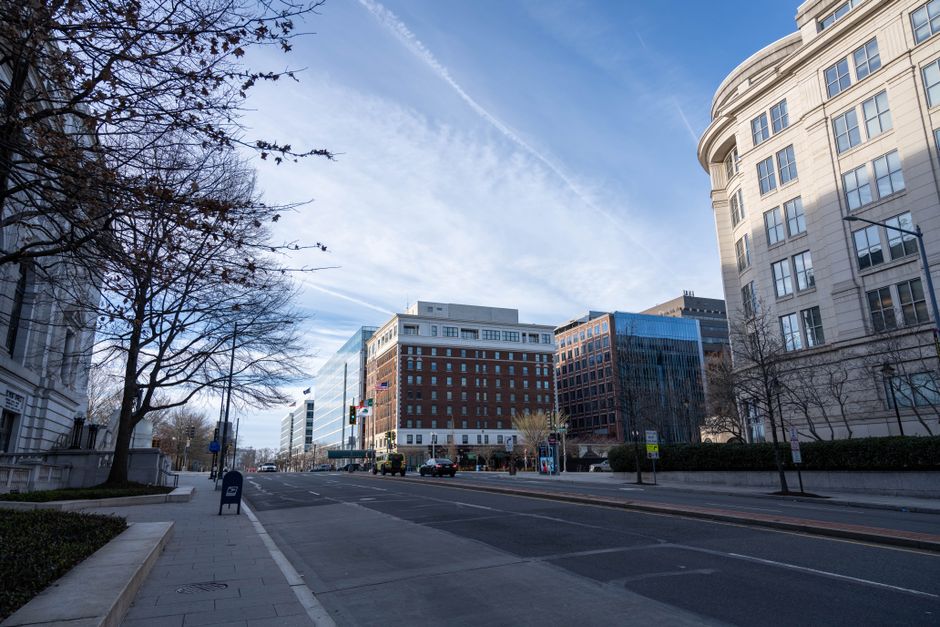
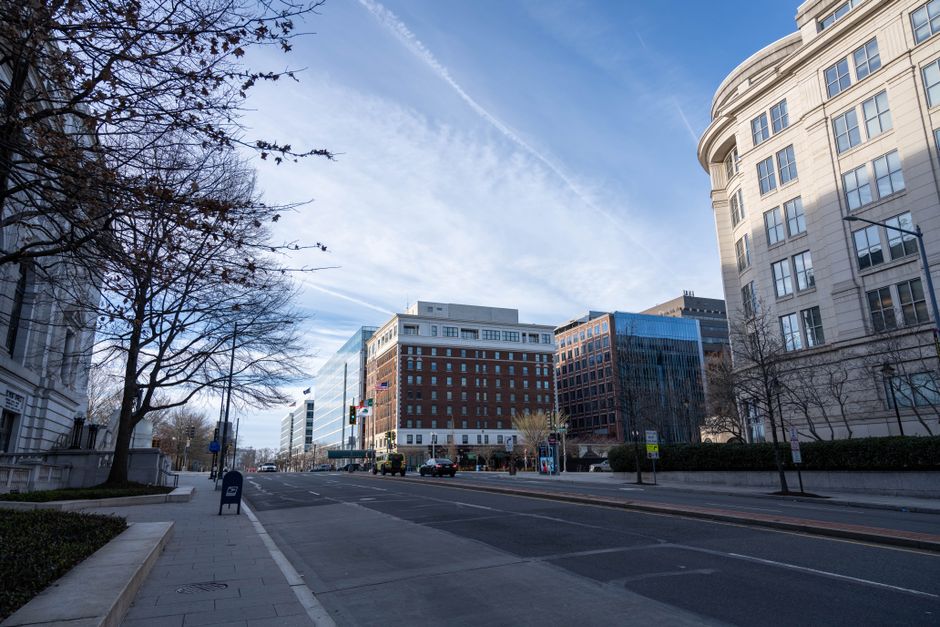
The story is clearest along the H Street corridor, where a wave of mixed-use projects continues reshaping the Northeast DC neighbourhood. The ongoing redevelopment has already pushed rents upward; a one-bedroom apartment that commanded $1,600 five years ago now fetches $2,100 or more. For landlords who own in the pipeline areas, this represents genuine yield acceleration. But timing matters. Properties already adjacent to completed projects capture premium tenancy; those waiting for infrastructure to arrive face temporary vacancy risks.
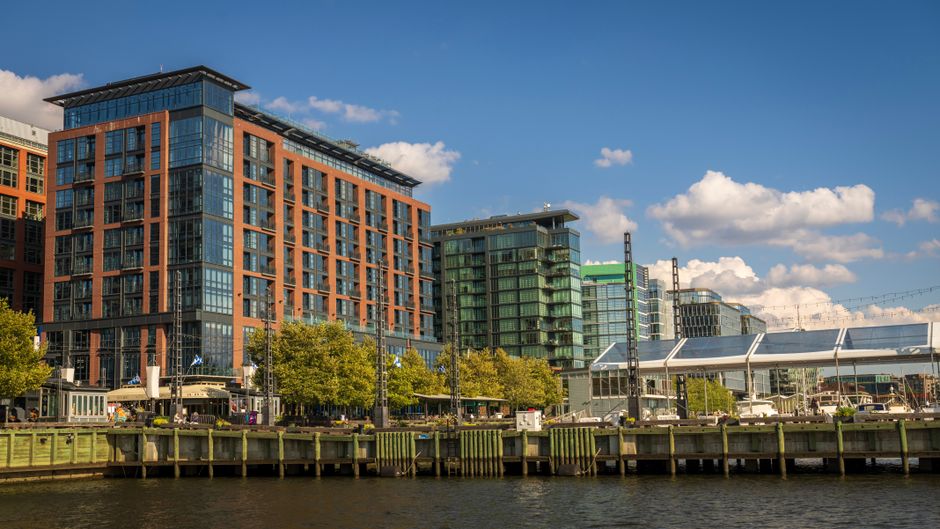
Navy Yard-Ballpark tells a similar story, though with different mechanics. The neighbourhood's transformation from industrial space to mixed-income residential has created dual investment tiers. New construction condos marketed to young professionals achieve higher per-square-foot prices, while older rental buildings in the same footprint see steady occupancy and moderate appreciation. A savvy investor recognises these aren't competing plays—they're complementary ecosystems.
Georgetown and Capitol Hill remain the premium anchor neighbourhoods, with median prices far exceeding the city average. Yet increasingly, their investment case rests on stability rather than growth. Developers targeting those areas focus on preservation and limited infill; landlords here should expect steady, predictable yields rather than transformational gains.
Northern Virginia suburbs deserve special attention. Areas like Crystal City and Rosslyn are witnessing office-to-residential conversion projects that are redefining commuter investment calculus. Properties within walking distance of Metro stations and new mixed-use developments are attracting long-term renters seeking space without downtown prices—typically offering yields 0.5-1 percentage point higher than comparable DC properties.
The practical takeaway for landlords: map new development pipelines before acquiring. Development Authority of Northern Virginia (DOVA) and DC's Office of Planning publish project timelines; landlords who cross-reference these with vacancy rates and rental trends gain measurable advantage. Properties in pre-transformation zones often carry discounts reflecting perceived risk; if you understand the development timeline, that risk often proves temporary.
The old rule—buy established, proven neighbourhoods—still works. But in 2026's DC market, the edge belongs to landlords who understand how infrastructure and development timing reshape tenant demand, and who position accordingly.
This article was compiled by AI and screened before publishing. See our editorial standards.
How does this story make you feel?
Spread the word
About this article
Published by The Daily Washington DC
Daily brief
Free, in your inbox before 7am. Weekdays.
More in Property