DC First-Time Buyers Discover True Math Behind $700K Home Grants
With median prices hovering at $700k, District incentives promise returns—but the math reveals who truly benefits from down payment assistance.
With median prices hovering at $700k, District incentives promise returns—but the math reveals who truly benefits from down payment assistance.
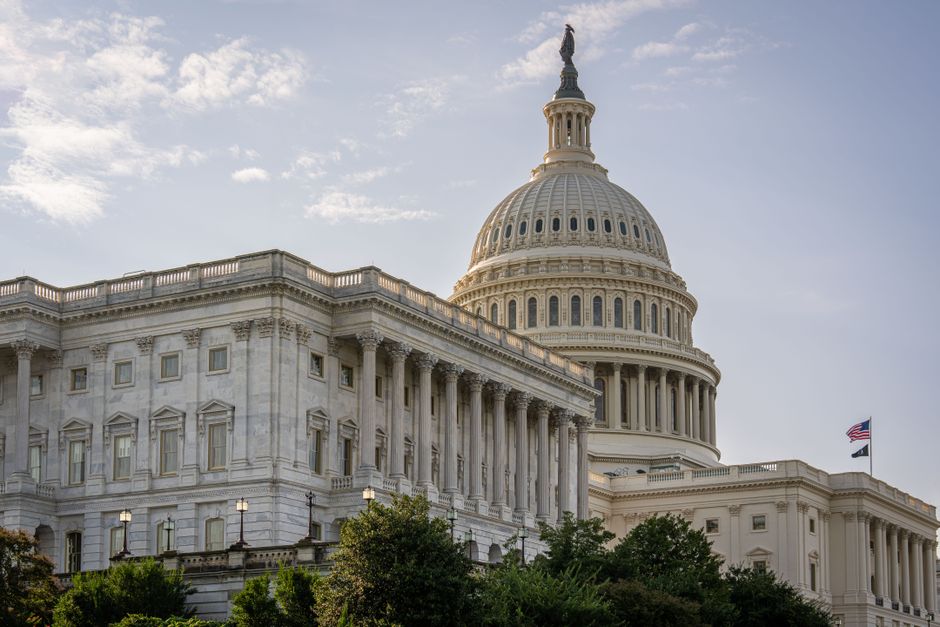
Washington DC's first-home buyer landscape has shifted dramatically. While the District median sits at $700,000, creative financing and grant programs promise to unlock homeownership for those priced out of Capitol Hill and Georgetown. But beneath the headline promises lies a harder truth: the return on investment depends entirely on where you buy and when.
The DC Department of Housing and Community Development's Down Payment Assistance program offers up to $80,000 in forgivable loans paired with conventional mortgages. For a buyer targeting a $450,000 home in H Street or the emerging Navy Yard corridor, that assistance bridges a critical gap. The numbers reveal the calculus: a first-time buyer putting down 3 percent conventionally ($13,500) suddenly can afford 15 percent ($67,500) with DC's help, reducing PMI costs by roughly $150 monthly over the loan term.
That's meaningful. Over a 30-year mortgage, that's $54,000 in savings. But here's where investor yield enters the frame. Property appreciation in Navy Yard has averaged 4.2 percent annually over the past five years, compared to 2.8 percent citywide. A $450,000 purchase today projects to $635,000 by 2036. Subtract the $80,000 grant (forgiven after seven years of ownership), your effective down payment cost drops further.
The trade-off? These programs target neighborhoods still transitioning. H Street's revitalization is genuine—new restaurants, the Playhouse Theatre district—but volatility remains. Compare this to established Capitol Hill, where median prices exceed $850,000 and appreciation is steadier but steeper upfront.
Northern Virginia suburbs complicate the picture. Arlington's median hovers near $650,000 with lower grant availability, yet offers proven stability. A buyer might skip DC assistance and capture similar long-term returns with less regulatory complexity.
Non-profit lenders like NeighborWorks and Fannie Mae's HomeReady program add layers. Interest rates on grant-coupled loans run 0.25–0.50 percent higher than standard mortgages, offsetting some savings for credit-strong borrowers. The yield math favors those with marginal credit profiles who'd otherwise face 2–3 percent rate penalties.
The emerging reality: DC's grants deliver strongest returns for disciplined buyers targeting transitional neighborhoods—Navy Yard, H Street, and pockets of Brightwood—where appreciation potential combines with affordability assistance. For those seeking immediate stability or higher price points, conventional financing in established neighborhoods may generate superior long-term yields despite larger down payments.
First-time buyers should model their specific target block, not just neighborhood averages. Five years from now, the difference between a grant-assisted H Street purchase and a full-price Capitol Hill alternative will tell the true story of DC's homeownership math.
This article was compiled by AI and screened before publishing. See our editorial standards.
How does this story make you feel?
Spread the word
About this article
Published by The Daily Washington DC
Daily brief
Free, in your inbox before 7am. Weekdays.
More in Property