Rent-Vesting in DC: A Fresh Affordability Strategy for Would-Be Buyers
Rising home prices and fierce competition have some Washingtonians opting to rent where they live while buying investment property elsewhere.
Rising home prices and fierce competition have some Washingtonians opting to rent where they live while buying investment property elsewhere.
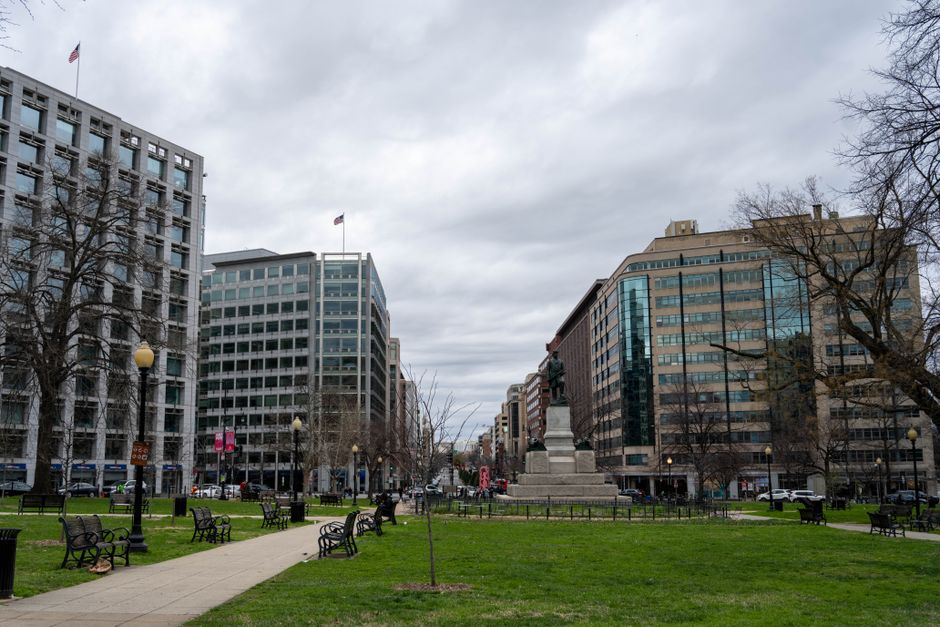
Most first-time buyers in the District can’t afford a classic rowhome in Capitol Hill—or even a one-bedroom in NoMa. But a new wave of savvy locals aren’t giving up on real estate: they’re rent-vesting, a strategy that means renting your own home in a desirable DC neighborhood while buying someplace more affordable as an investment.
The model is flipping the traditional American dream on its head. Instead of saving for years, settling for a small condo, and feeling locked into DC’s high prices, renters who rent-vest get on the property ladder by buying an investment home—often out in less expensive suburbs—while continuing to enjoy the lifestyle and amenities of neighborhoods like Navy Yard or Logan Circle. For many, it’s the only way in 2026 to have both real estate exposure and city convenience, as local salaries struggle to match the area’s breakneck price gains.
The median home sale price in Washington DC hit $702,500 in June, according to Bright MLS, up 4% from last summer. Even relatively modest condos in Adams Morgan or along H Street NE often command more than $500,000. Meanwhile, rent growth has slowed: monthly median rent for a one-bedroom at the new Beckert’s Park development on 14th Street SE hovers around $2,400, on par with last year. This widening gap between homeownership costs and rents is driving younger professionals—especially those with student debt or volatile tech incomes—to look for workarounds.
Local real estate agent Camille Jones, who runs First City Realty’s rent-vesting advisory program, says most of her clients in the U Street corridor aren’t looking at local starter homes anymore. Instead, many are purchasing townhomes with rental potential in Silver Spring or Hyattsville, where entry prices for single-family homes average $370,000, or looking even further afield in Baltimore or Prince George’s County. Many then use potential rental income from these properties to offset their own rent in DC.
This year’s market dynamics offer some eye-opening math for would-be buyers. Data from the Urban Institute show that with 10% down, the monthly mortgage payment for a $700,000 Capitol Hill rowhome, after taxes and condo fees, tops $4,400—even before factoring in maintenance. By contrast, renting a two-bedroom in The Wharf—the District’s priciest rental corridor—averages closer to $3,600 per month.
Buying an investment property on the Green Line in Prince George’s County, meanwhile, allows a DC-based owner to spend $350,000, with a mortgage under $2,500, and often collect $2,000 or more a month in rent from tenants. "If you do it right, your investment property covers most of its own costs," said Jones. "You get leverage, tax deductions, appreciation—but keep your city life." According to Zillow, over 800 homes in nearby Maryland suburbs sold to out-of-area buyers in the second quarter of 2026, a 22% jump over 2025.
Still, this approach carries risks. Tenants may not always be reliable. Out-of-state landlords need to comply with Maryland or Virginia leasing laws. And overleveraged rent-vestors could wind up squeezed if DC rents resume their climb or a softening labor market crimps rental demand in the suburbs.
For DC residents priced out of traditional homeownership, rent-vesting is no silver bullet—but for a growing cohort, it’s an on-ramp. Local mortgage advisors at DC Open Doors, a city-backed assistance program, report a rising number of clients building net worth through suburban investment while staying renters in walkable downtown enclaves.
Experts advise carefully weighing future rent projections, consulting with a local agent, and running worst-case numbers before diving in. For those undeterred by landlord duties, though, rent-vesting now stands as a practical route to building wealth in a city where buying a home still feels out of reach. As DC’s affordability squeeze shows no sign of letting up, the strategy is likely to move from niche play to mainstream trend in the years ahead.
How does this story make you feel?
Spread the word
About this article
Published by The Daily Washington DC
Daily brief
Free, in your inbox before 7am. Weekdays.
More in Property


