Rent-Vesting Strategy Explained: Is It the Smarter Move for DC's Housing Market?
With median home prices topping $700,000, more Washingtonians are weighing rent-vesting—renting in the city while investing in property elsewhere.
With median home prices topping $700,000, more Washingtonians are weighing rent-vesting—renting in the city while investing in property elsewhere.
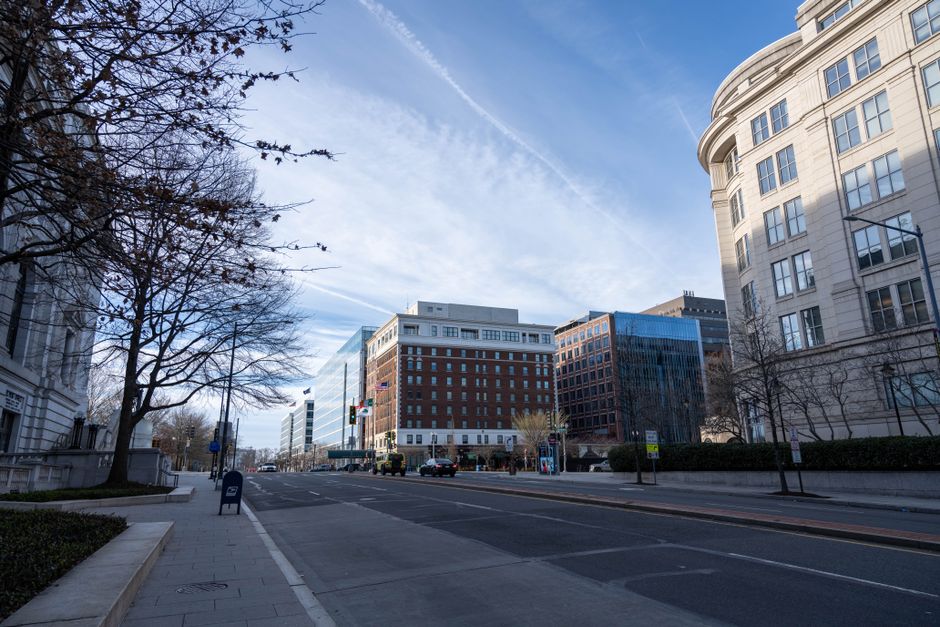
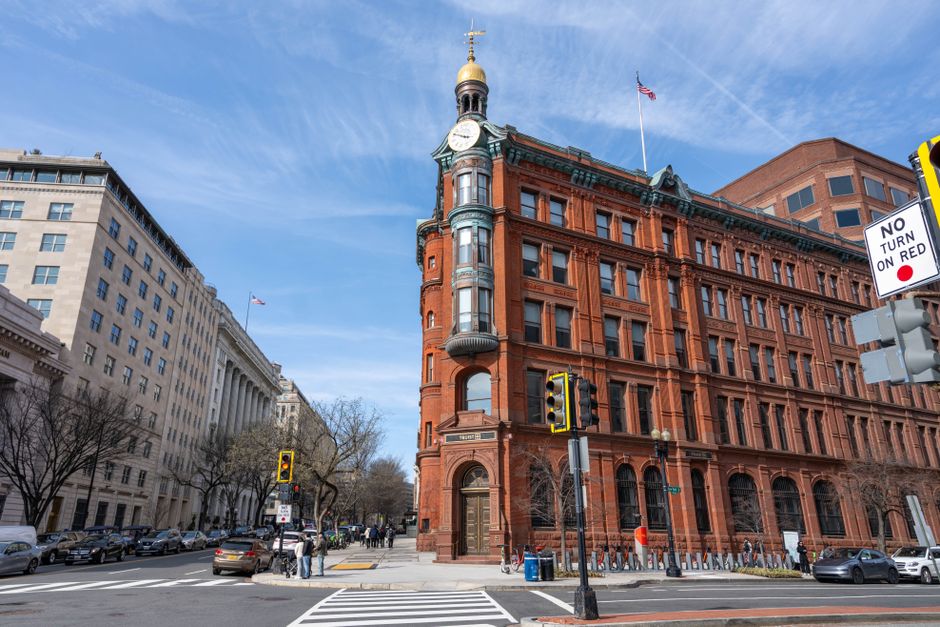
As rents in Navy Yard hover around $3,100 for a one-bedroom and median home prices in DC crack $700,000, a growing number of Washingtonians are ditching the dream of buying where they live. Instead, they're choosing a strategy called “rent-vesting”: renting a place in their preferred city neighborhood while investing in real estate in more affordable areas, often miles—or states—away from their current address.
The surge in interest is more than a personal finance trend. It reflects a new reality for potential buyers priced out of Capitol Hill, Adams Morgan, and other core neighborhoods. The city’s housing affordability pinch has gotten tighter every season. This has pushed many residents, especially first-time buyers, to rethink what “owning” means in 2026. Homeownership in central DC has flipped from being a universal aspiration to an increasingly rare badge, while rent-vesting offers an alternative route to property investment—without sacrificing lifestyle or location.
“It’s essentially a workaround for prohibitively high entry costs in our market,” explains Brianne Mason, a licensed DC broker with Capital City Realty, one of several firms reporting upticks from clients looking outside the city for their first investment property. Organizations like Manna, Inc., which since 1982 has helped DC residents navigate affordable homeownership, are fielding questions about distant up-and-coming markets. Meanwhile, neighborhoods once seen as stepping-stones—like Petworth or Brookland—have seen prices soar to the point of exclusion for many younger buyers.
Here’s how the math often breaks down: A typical one-bedroom in H Street NE lists for $565,000. With 20% down, taxes, condo fees and insurance, monthly ownership costs hit $4,100 or more. Yet rent for a similar property is closer to $2,750. That $1,350 monthly difference, some Washingtonians reason, could be redirected towards mortgage payments on a duplex in Cleveland, Ohio, or a rental property in Prince George’s County. According to Bright MLS, the DMV’s regional listing service, the average price for a two-unit in Baltimore is $275,000—well under half of a DC starter home. This makes out-of-market investing more accessible, especially for would-be buyers not wedded to an owner-occupant tax break. As of June 2026, 44% of survey respondents under 35 told Zillow they’d consider buying outside their home city and continuing to rent locally.
City figures put the DC median sale price at $709,000 as of May, per DC’s Office of Revenue Analysis. That’s up nearly 7% year-over-year and represents a 40% climb since 2019. Rents are up too, but much less sharply—rising about 3% annually since 2022, according to Apartment List data. Georgetown studios now fetch $2,800 on average, while an Eastern Market rowhouse rents for over $5,500. This affordability gap—owners shouldering substantially higher monthly costs than renters—has become the backbone of the rent-vesting argument. Add in COVID-era remote work flexibility and easier proptech management for out-of-state rentals, and the appeal is clear.
For those tempted to try rent-vesting, due diligence is critical. Experts advise researching local landlord laws, factoring in vacancy rates, and budgeting for travel to manage your investment. DC residents can consult the Department of Housing and Community Development or local chapters of the National Association of Residential Property Managers for workshops and guides. With some Fourth of July fireworks cancelled by the record heat, there’s never been a better time to retreat indoors and run the numbers. For a growing slice of Washingtonians, rent-vesting could be the key to accessing property wealth without giving up the city lifestyle. But like any strategy, success hinges on market knowledge, discipline—and a willingness to look beyond the 202 area code.
How does this story make you feel?
Spread the word
About this article
Published by The Daily Washington DC
Daily brief
Free, in your inbox before 7am. Weekdays.
More in Property