DC Renters Face Tough Choices at Lease-End as Supply Tightens
Lack of affordable apartments in Capitol Hill and Navy Yard puts pressure on lease renewal and decision time for renters.
Lack of affordable apartments in Capitol Hill and Navy Yard puts pressure on lease renewal and decision time for renters.
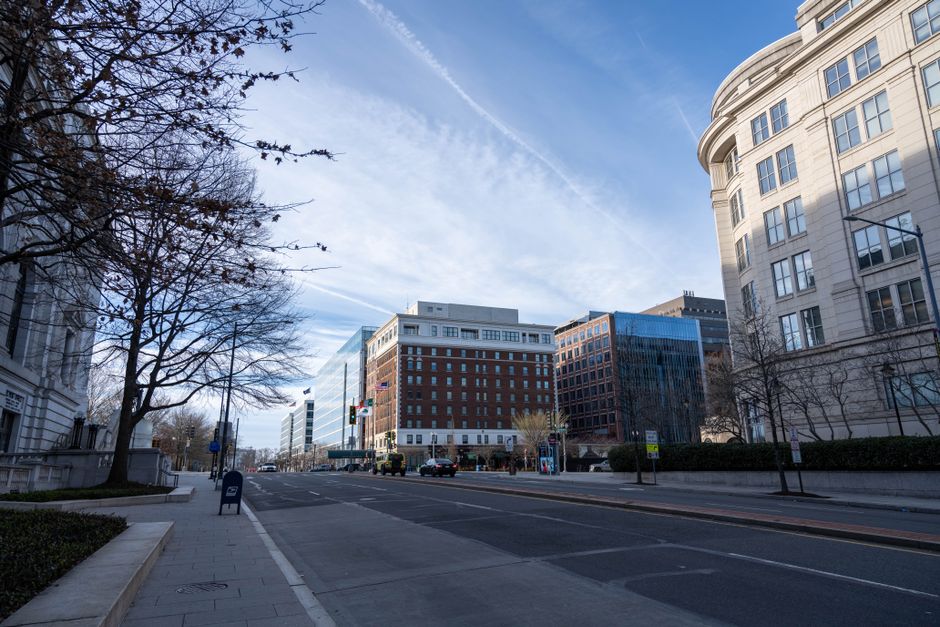
With apartment supply at a five-year low and lease renewal season peaking in July, Washingtonians across Capitol Hill and Navy Yard are facing a painful reality: finding a new rental, or even negotiating a lease extension, is tougher than it has been in a decade.
The squeeze comes as rents have climbed to near-record highs and vacancy rates across central DC drop below 4%. Landlords along Pennsylvania Avenue SE and in the increasingly sought-after Navy Yard are limiting rent concessions, while prospective buyers face their own obstacles—median sale prices in Washington hit $700,000 in June. For hundreds of renters whose fixed-term leases wrap up this month, hard decisions are due fast.
"There’s almost nothing left in July," said a leasing manager at The Station House, a 378-unit building on H Street NE that typically turned over 30 units each summer. This year it’s half that. Over in Georgetown, luxury rental buildings such as The Cloisters have reported summer vacancy rates below 2%, compared to 6% before the pandemic. DC Housing Authority waitlists were closed for five popular subsidized buildings as of June 15.
Market-rate renters find little relief in adjacent neighborhoods. The Redbrick, a new Navy Yard midrise, opened with a third of its units pre-leased by May 2026. Even studio apartments, rarely pushing $2,000 before, now list for over $2,250 near Nats Park. Renters are calling area nonprofits like Housing Counseling Services on Vermont Avenue NW for advice at rates nearly double that of 2023, according to the center’s director for rental programs.
According to Delta Associates’ June apartment report, DC’s average market rent reached $2,350 this spring, up 7% year-on-year. The citywide residential vacancy rate hovers at 3.7%, well below the five-year average. Median one-bedroom rents in Capitol Hill stand at $2,100; Navy Yard’s have shot past $2,400. By contrast, homebuyers face a minimum 7.1% mortgage rate, keeping many would-be buyers in the rental pool and tightening availability for everyone else. The Urban Institute found that 60% of DC households renewing leases in 2026 faced increases of over 5%.
The pressure is highest for those at lease end: many buildings notify tenants of rent hikes just 60 days before expiration. With new construction slow—less than 1,800 market-rate apartments expected to deliver across DC in 2026—relief for renters isn’t coming soon.
What can renters do? Experts recommend immediately contacting management for possible lease extensions or shorter bridge terms if searching for new housing. Another option: look at smaller buildings or accessory dwelling units, which can sometimes be found in the Kingman Park or Brookland neighborhoods at lower prices. DC’s Office of Tenant Advocate (OTA), located on 4th Street SW, offers walk-in counseling sessions and sample negotiation letters. And for those open to sharing, roommate-matching programs like SplitSpot have expanded DC coverage in 2026. “Staying flexible—on move dates, apartment size, or location—can sometimes be the difference between securing a unit and facing a scramble,” said a senior program manager at OTA. Renters who act fast or proactively seek advice from housing advocacy organizations may avoid the worst of this summer’s crunch.
How does this story make you feel?
Spread the word
About this article
Published by The Daily Washington DC
Daily brief
Free, in your inbox before 7am. Weekdays.
More in Property


