property
DC Housing Market Shifts: Prices Rise in Familiar Neighborhoods Since 2021
Five years after the pandemic feeding frenzy reshaped Washington's housing map, prices are still climbing in familiar places, but the frenzy is gone.
How we reported this
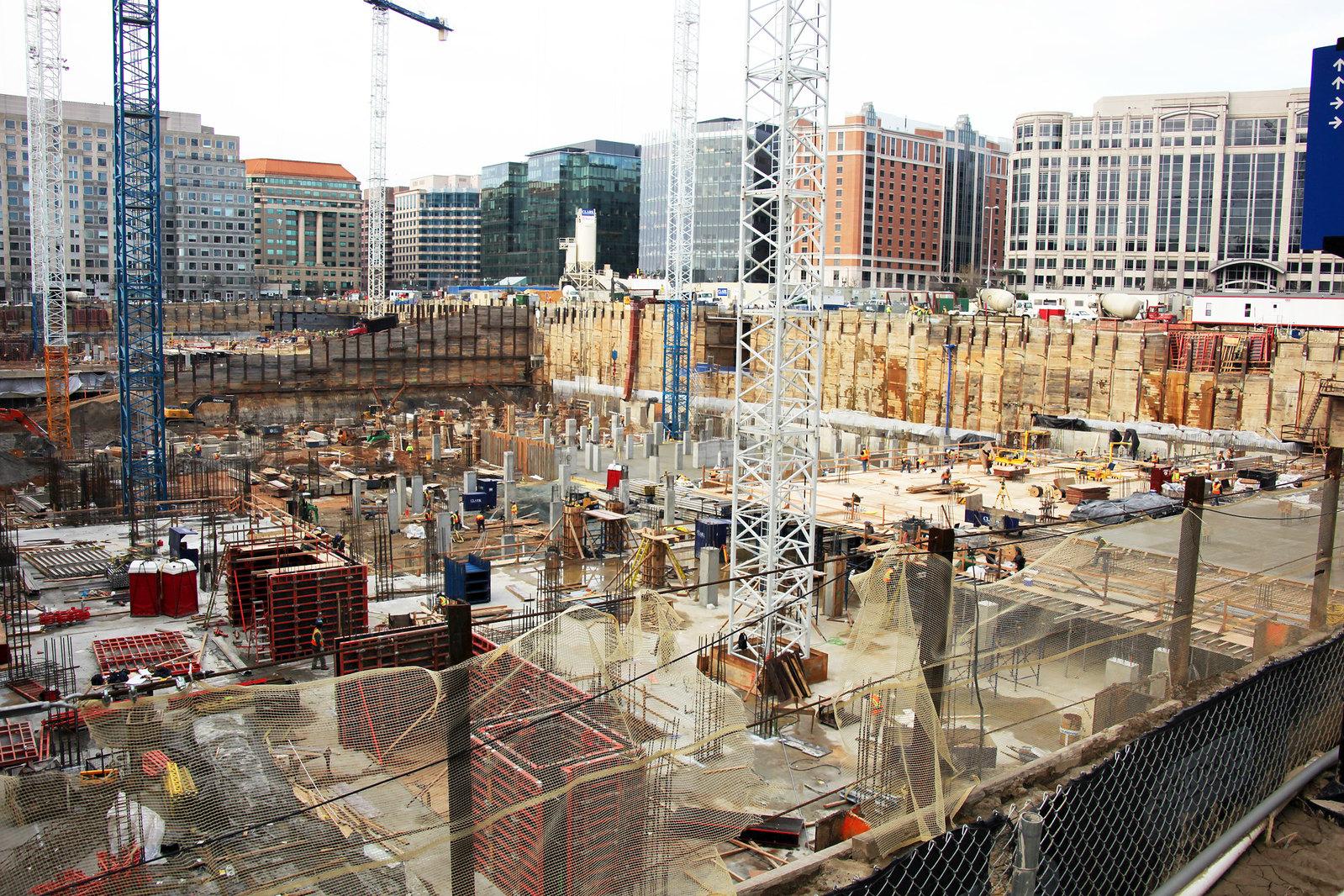
Washington's median home price sits at roughly $700,000 this summer, a figure that would have shocked buyers in 2019 but now feels almost routine to agents working Capitol Hill and Georgetown. The number matters because it holds, stubbornly, despite 30-year mortgage rates that have spent most of 2025 and 2026 above 6.5 percent. In 2021, that same median was clearing $600,000 on pure momentum, fueled by remote-work cash and near-zero borrowing costs. The mechanics are entirely different now, and so is the stress level on the people trying to buy.
The comparison to 2021 is the one conversation every serious buyer is having with their agent this July Fourth weekend. Back then, Capitol Hill rowhouses were going 15 to 20 percent over asking within 72 hours. Waived inspections were standard. Georgetown condos under $800,000 were drawing six, seven, eight offers simultaneously. That particular chaos has cooled. But cooling is not the same as correcting, and that distinction is defining the 2026 market.
Where the Heat Remains
Two corridors tell the story most clearly. H Street NE, which spent years as the city's scrappier alternative to U Street NW, has absorbed enough investment, the Atlas Performing Arts Center renovation, the continued buildout of mixed-use projects near 12th and H, that starter condos in the $450,000-to-$550,000 range are still moving in under three weeks. Navy Yard, anchored by Nationals Park and a decade of residential construction along First Street SE, is drawing buyers priced out of Capitol Hill proper. Two-bedroom units in newer buildings there have been trading in the $650,000-to-$750,000 range this spring, according to publicly available MLS data aggregated by local brokerages.
In 2021, those same Navy Yard units were moving fast for different reasons: buyers were fleeing Manhattan and Brooklyn with pandemic savings and no office requirement. Today's buyers are largely DC-rooted, federal contractors, law firm associates, Hill staffers who have waited two years for rates to drop and have decided to stop waiting. That shift in buyer composition matters. Local buyers know the neighborhoods. They negotiate harder. They walk away more often. The result is a market that looks firm on price but softer on terms, a meaningful distinction from the unconditional surrender dynamic of 2021.
Northern Virginia Is the Telling Comparison
Cross the Potomac and the contrast sharpens. Arlington and Alexandria, particularly the area around the Amazon HQ2 campus in Pentagon City, saw some of the most aggressive price appreciation of the 2021 cycle, driven by speculative demand tied to the tech influx. That demand did not sustain at the same intensity. The Northern Virginia suburbs remain competitive, but the assumption that HQ2's presence would produce a permanent 10-to-15-percent annual appreciation premium has not held up across the board.
Back inside the District, the Office of the Deputy Mayor for Planning and Economic Development has continued to push the Housing in Downtown initiative, which aims to convert underused commercial space into residential units, partly to stabilize the supply side of the equation. Whether that program meaningfully shifts inventory levels by late 2026 is an open question the market is watching closely.
The practical reality for buyers entering this market now: the window of slightly reduced competition that opened in late 2024 has largely closed. Inventory in DC proper remains historically low. Sellers in desirable zip codes, 20003 for Capitol Hill, 20007 for Georgetown, have little incentive to discount. But the frantic, no-contingency bidding wars that defined June and July of 2021 are not the baseline experience in July 2026. Buyers who walk in pre-approved, with realistic expectations about condition and timeline, are finding deals that would have been impossible five years ago. That is a narrow but real opening, and it probably will not stay that wide for long.
This article is general information only and is not personal financial or investment advice. Consider your own circumstances and seek licensed professional advice before making financial decisions.