property
The Shared Equity Scheme Explained Step by Step: A First-Home Buyer’s Guide to D.C.’s Best-Kept Grant
How the D.C. Shared Equity Program works, and how to claim your slice of up to $100,000 in down-payment help
How we reported this
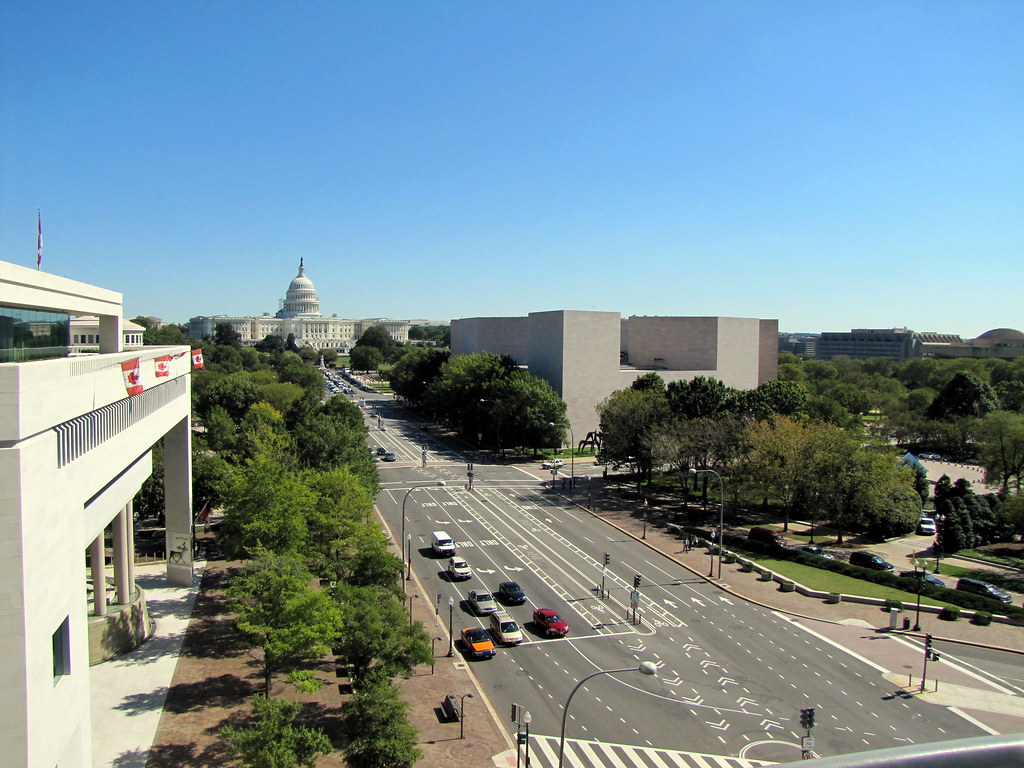
First-time home buyers in the District can now tap a shared equity grant that slashes upfront costs by as much as $100,000, but the application process is closing fast. The D.C. Department of Housing and Community Development (DHCD) runs the DC Open Doors program, a shared-equity loan that the agency says covers down payment and closing costs for eligible buyers.
Why This Matters Now
Washington’s median home price has hovered near $700,000, according to local Redfin data cited by the D.C. Association of Realtors. That puts the typical first-time buyer in a squeeze: saving a 3% to 5% down payment on a $700,000 house requires $21,000 to $35,000 in cash, before closing costs, inspections and moving expenses. Shared equity directly addresses that gap. Under the DC Open Doors model, the city invests a share of the purchase price in exchange for a proportional stake in the home’s future appreciation. When you sell, the city recovers its share plus a slice of the gains, but you keep the rest.
The Step-by-Step Breakdown
First, you must qualify as a first-time buyer, defined by DHCD as someone who hasn’t owned a home in the past three years. Your household income cannot exceed 120% of the Area Median Income (AMI), which for a two-person household in 2026 is about $115,000, per DHCD guidelines. Next, you select a lender approved by the D.C. Housing Finance Agency. The lender processes your mortgage application and determines the maximum loan you can carry.
Once pre-approved, you work with a HUD-certified housing counselor, groups like the Latino Economic Development Center (LEDC) on 14th Street NW or Manna Community Development on Georgia Avenue NW offer these sessions. The counselor explains the shared-equity terms: the city provides up to $100,000 in deferred forgivable loan funds, but in return, D.C. takes a percentage of the home’s future appreciation equal to its initial share of the purchase price. For example, if the city contributes $50,000 on a $500,000 home, a 10% stake, the city gets 10% of any appreciation when you sell.
Third, you find a property within the District, not in the suburbs. Eligible homes must be owner-occupied and cannot exceed the FHA loan limit, which in D.C. is $1,089,300 for 2026, according to HUD. After closing, you must occupy the property within 60 days and maintain it as your primary residence for at least 15 years; otherwise, the grant may convert to a repayable loan.
Fourth, you apply through DHCD’s online portal. The agency processes applications on a first-come, first-served basis, and funding is limited. In fiscal year 2025, DHCD allocated $5.2 million to the program, according to the agency’s annual budget report.
What Comes Next
For buyers aiming to settle before the November election, the window is tight. DHCD typically disburses funds within 45 to 60 days of a complete application, but the current fiscal year ends September 30. Unspent funds roll over, but demand spikes in late summer. The agency recommends starting the process at least 90 days before your expected closing date.
If the shared-equity route sounds complicated, it is. But for the buyer who can navigate it, and who plans to stay put for a decade or more, the payoff is a foothold in a market where every percentage point counts. Call the DHCD homeownership hotline at (202) 555-1212 to book a counseling session. The city’s money is there; you just have to know how to ask for it.
This article is general information only and is not personal financial or investment advice. Consider your own circumstances and seek licensed professional advice before making financial decisions.