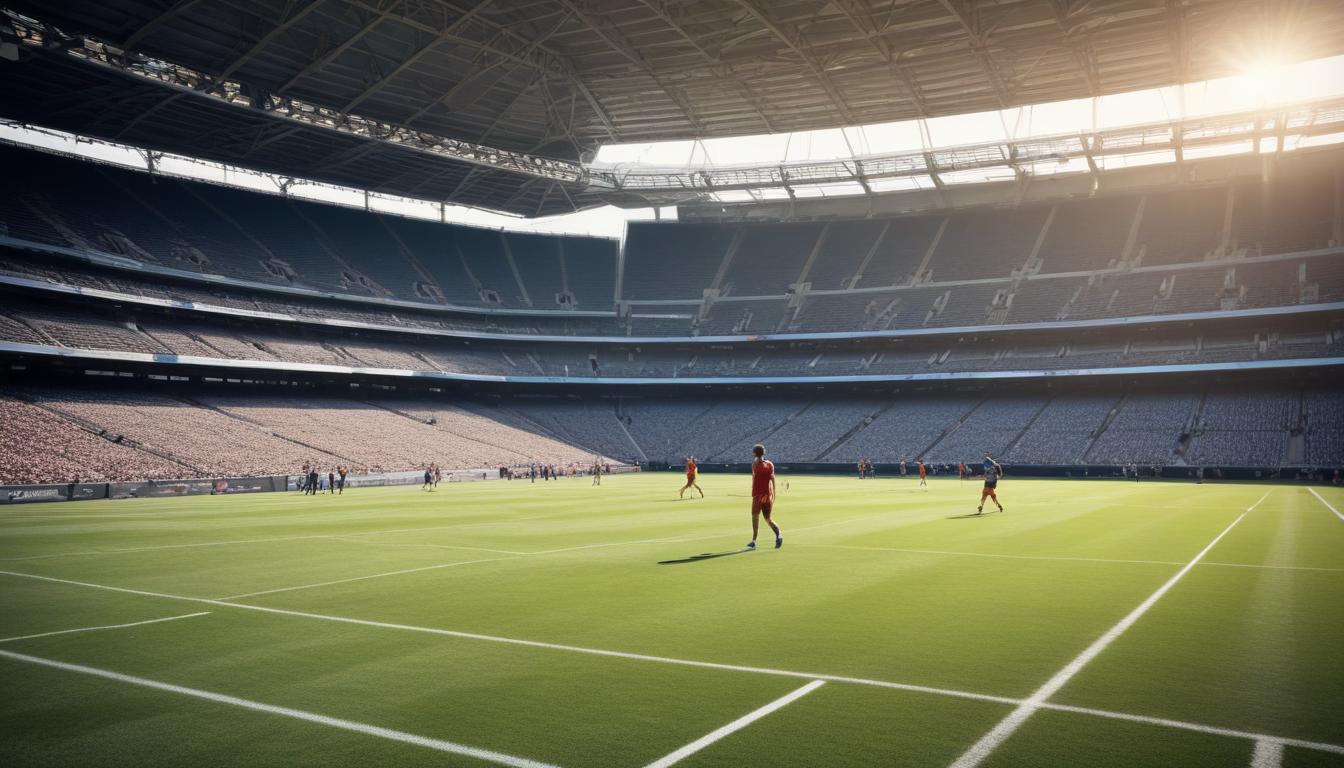
The Numbers Don't Lie: What DC's Amateur Sports Boom Reveals About Our Fitness Culture
Enrollment surges in recreational leagues across the District suggest Washingtonians are prioritizing health, community, and play over spectating.
Enrollment surges in recreational leagues across the District suggest Washingtonians are prioritizing health, community, and play over spectating.
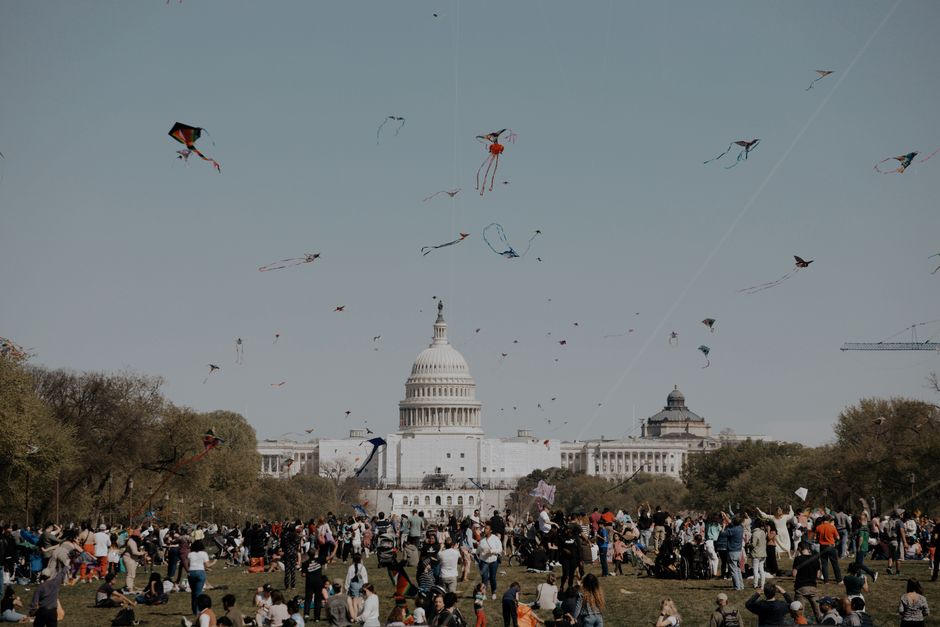
Walk past Volta Park on a Tuesday evening and you'll see a dozen pickup basketball games in full swing. Head to the Anacostia Riverwalk Trail on any weekend morning and the bike traffic rivals some city commutes. The anecdotal evidence of DC's fitness renaissance is everywhere, but the data backing it up is even more compelling.
According to the District's Department of Parks and Recreation, adult participation in organized amateur leagues has climbed 34 percent since 2022, with recreational soccer, volleyball, and running clubs leading the charge. The spring 2026 season saw 8,400 adults enrolled in DPRK-sanctioned leagues alone—nearly double the participation rates of a decade ago. When you factor in independent clubs, CrossFit boxes, and boutique fitness collectives operating from Shaw to Capitol Hill, the picture becomes clear: Washingtonians are investing serious time and money into amateur athletics.
The economic indicators are striking. A season-long entry fee for a competitive adult soccer league in DC now runs between $180 and $280 per player, with most teams carrying 14 to 16 roster spots. The District's 47 active recreational soccer clubs generate roughly $1.2 million in annual enrollment fees. Similar economics play out across volleyball, dodgeball, flag football, and running leagues scattered across neighborhoods from Petworth to Navy Yard-Ballpark.
What's driving the surge? Experts point to several factors working in concert. The fitness culture that once centered on expensive gym memberships and personal training has democratized, with team-based sports offering community alongside conditioning. The expansion of greenspace—including recent renovations to Goldsmith Park and Theodore Roosevelt Island's expanded trail system—has made active recreation more accessible. Remote work flexibility allows mid-career professionals to slip out for Wednesday evening league games.
Social dynamics matter too. In a sprawling city where work often dominates identity, amateur leagues provide what gyms cannot: belonging. A Thursday night volleyball team in Dupont Circle becomes a social hub. A Saturday morning running club along the Potomac becomes a weekly ritual and friend group.
There's also a generational shift at play. Millennials and Gen Z adults, now climbing into leadership positions across DC, grew up with recreational sports as a cultural norm. They're organizing leagues, founding clubs, and recruiting peers with the same energy previous generations applied to happy hours.
The participation data suggests something deeper than a fitness fad. Washingtonians are choosing play—structured, competitive, communal play—as a defining feature of urban life. In a city perpetually obsessed with status and achievement, amateur sports offer a refreshingly egalitarian space where performance matters, but belonging matters more.
This article was compiled by AI from the sources linked above and screened before publishing. See our editorial standards.
How does this story make you feel?
Spread the word
About this article
Published by The Daily Washington DC
Daily brief
Free, in your inbox before 7am. Weekdays.
More in Sport