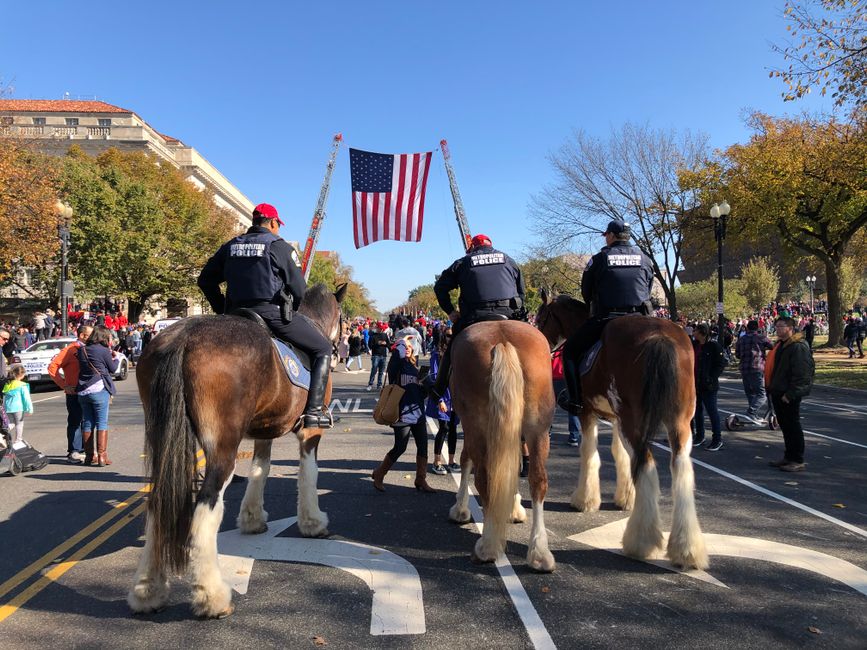
On any given Saturday morning, you'll find clusters of runners stretching near the Lincoln Memorial, cyclists gathering at the Navy Yard-Ballpark neighborhood, and triathletes preparing for open-water swims in the Potomac. These aren't organized by major sports franchises or commercial gyms—they're grassroots movements born from neighbors helping neighbors push their limits.
The infrastructure supporting DC's endurance sports community has grown organically over the past decade. Organizations like the Potomac Riverrunners and DC Tri Club started with just dozens of members meeting informally. Today, participation in local running clubs alone has swelled to over 8,000 active participants across the city, according to recent membership data compiled by community organizers.
"The momentum comes from people who genuinely care about their neighborhoods," explains the volunteer-led structure that characterizes groups meeting weekly around Capitol Hill, Dupont Circle, and along the H Street Corridor. These aren't paid positions—organizers contribute countless hours coordinating routes, maintaining pace groups, and welcoming newcomers.
The economics tell an important story. Entry fees for community-organized races range from $35 to $60, significantly undercutting commercial alternatives priced at $100-plus. Many events operate on razor-thin margins, with proceeds funding local youth athletic programs and trail maintenance initiatives.
Cycling infrastructure improvements—particularly the expanded trails connecting the National Mall to neighborhoods like Anacostia and Northeast DC—have catalyzed this growth. The Rock Creek Park Trail system, spanning over 32 miles, has become the circulatory system for the city's cycling community, with hundreds pedaling daily through sections maintained partly through volunteer efforts.
What makes this movement distinctly grassroots is its inclusivity focus. Training groups deliberately accommodate multiple pace levels, ensuring beginners in Friendship Heights feel equally welcome as experienced athletes preparing for Boston marathons. Triathlon clubs have established scholarship programs, removing financial barriers that traditionally excluded lower-income residents from participating.
Local businesses have taken notice. Coffee shops near popular running routes now sponsor water stations during community races. Bike shops in Petworth and Columbia Heights employ former volunteers who cut their teeth organizing neighborhood cycling events.
As DC's endurance sports community continues expanding—with over 15,000 residents participating in some form of organized running, cycling, or triathlon activity—the movement's success ultimately reflects something deeper about Washington's neighborhoods: when people organize around shared passion, transformative community infrastructure emerges from the ground up.
This article was compiled by AI from the sources linked above and screened before publishing. See our editorial standards.