D.C.'s Fitness Numbers Tell a Story of Wellness Priorities Shifting Across the City's Neighborhoods
New participation data reveals how Washington's gym culture has evolved, with surprising trends emerging from Georgetown to Capitol Hill.
New participation data reveals how Washington's gym culture has evolved, with surprising trends emerging from Georgetown to Capitol Hill.

Membership data from fitness facilities across Washington D.C. paints an intriguing picture of how residents in different neighborhoods are approaching health and wellness in 2026. The numbers suggest a city increasingly invested in fitness, but with distinct preferences that vary dramatically by zip code and demographic.
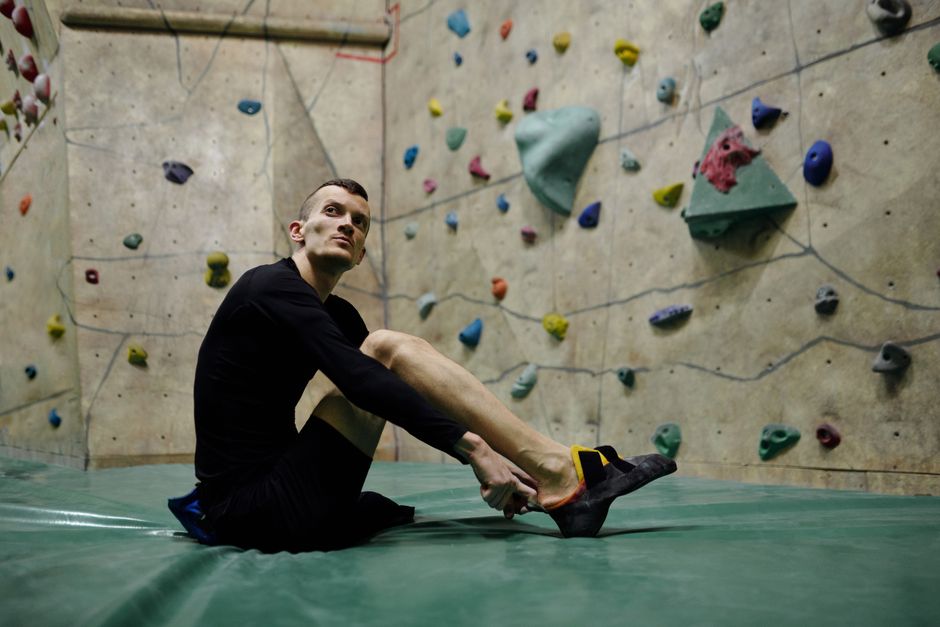
According to recent surveys compiled by the D.C. Department of Health, gym membership penetration in the District sits at roughly 31 percent of the adult population—higher than the national average of 26 percent. But the breakdown tells a more nuanced story. Georgetown and the West End show the highest concentration of boutique fitness studio memberships, with cycling and high-intensity interval training classes commanding premium prices north of $220 monthly. Meanwhile, neighborhoods along the H Street Corridor and in Columbia Heights have seen explosive growth in CrossFit facilities and strength-training gyms, reflecting younger demographics with different fitness priorities.
Budget-conscious fitness enthusiasts in Dupont Circle and Logan Circle continue gravitating toward traditional gyms, where chain facilities report steady membership hovering around 18 percent penetration. The District's public recreation centers, particularly those in Northeast and Southeast D.C., show increasing enrollment, suggesting city-subsidized fitness remains a critical access point for lower-income residents.
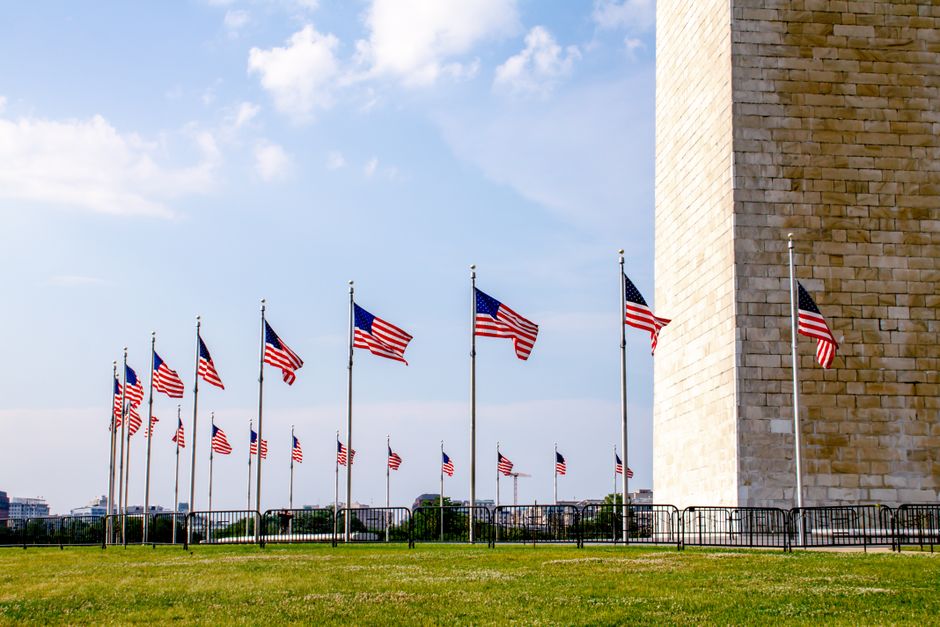
One striking trend: outdoor fitness participation has become less seasonal. The National Mall, Rock Creek Park, and waterfront areas along the Anacostia River now see consistent spring-through-fall activity, with park-based fitness classes reporting 40 percent higher attendance in 2026 compared to 2024. Hybrid memberships—combining gym access with outdoor programming—have become increasingly popular among D.C. professionals juggling demanding schedules.
The data also reveals gender patterns worth noting. Women comprise 54 percent of gym memberships citywide, continuing a national trend, though participation in strength-training facilities has become more balanced, suggesting shifts in fitness preferences and body-image conversations.
Perhaps most telling is the age distribution: adults over 55 represent the fastest-growing membership segment, up 23 percent since 2023. Wellness-focused facilities offering low-impact programming and community-oriented classes have capitalized on this demographic shift, particularly in established neighborhoods like Cleveland Park and Chevy Chase.
As Washington D.C. continues evolving, its fitness culture reflects broader patterns about how residents prioritize health, community, and quality of life. The numbers suggest we're a city taking wellness seriously—just not always in the same way.
This article was compiled by AI from the sources linked above and screened before publishing. See our editorial standards.
How does this story make you feel?
Spread the word
About this article
Published by The Daily Washington DC
Daily brief
Free, in your inbox before 7am. Weekdays.
More in Sport