DC's Endurance Sport Boom Strains Aging Infrastructure—But New Venues Offer Hope
As participation in running, cycling, and triathlons surges across Washington, the capital's patchwork of facilities reveals both hidden gems and critical gaps.
As participation in running, cycling, and triathlons surges across Washington, the capital's patchwork of facilities reveals both hidden gems and critical gaps.
Washington DC's endurance sports community has exploded over the past five years, with participation in organized running events up nearly 40 percent since 2021 and cycling commuters doubling along the Rock Creek Park corridor. Yet the city's infrastructure supporting these athletes remains frustratingly uneven—a mix of world-class amenities, well-intentioned improvisation, and genuine blind spots.
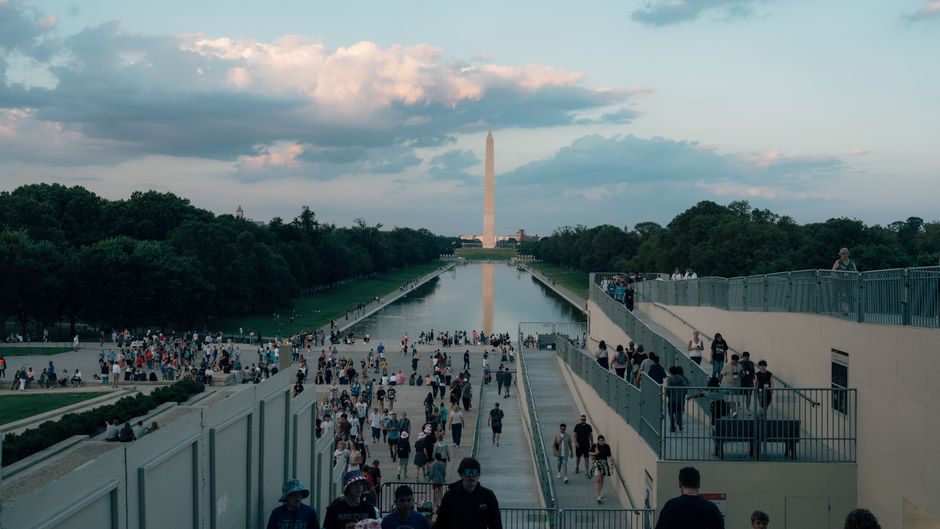
The Rock Creek Park Trail system remains the backbone of local running culture, its 32 miles of pathways hosting thousands of athletes daily. But congestion has become a genuine problem during peak morning and evening hours, with joggers, cyclists, and casual walkers competing for space on trails designed for lower volume. The Park Service has invested in widening sections near the Lincoln Memorial and Kennedy Center, yet advocates argue the improvements haven't kept pace with demand.
Cycling infrastructure tells a more encouraging story. The District's 150-plus miles of bike lanes have attracted serious cyclists and casual riders alike, with the recent expansion along the H Street NE corridor and the newly revamped Anacostia Riverwalk Trail drawing crowds. Still, gaps persist—particularly in Southeast DC neighborhoods where cycling infrastructure lags significantly behind wealthier wards.
The real breakthrough has come from private facilities. Life Time Athletic's Bethesda location and boutique cycling studios like Ride Row in Navy Yard-Ballpark have transformed the landscape, though monthly memberships often exceed $200—pricing that excludes working-class athletes. The Washington Sports Club operates several locations with pool and track access, but members often struggle with inconsistent hours and maintenance issues.
Triathlon infrastructure remains the biggest challenge. Despite strong regional participation—the Spruce Peak Triathlon and Washington Triathlon draw over 1,000 athletes annually—training venues are limited. Athletes must travel to pools in Silver Spring or Arlington for proper coaching, and open-water swimming remains restricted to designated times at limited sites like the Tidal Basin.
The good news: the District is finally investing intentionally. The new East Potomac Park renovation project includes improved cycling paths and running routes, while the renovation of the Robert F. Kennedy Memorial Stadium precinct promises a state-of-the-art 25-meter pool facility expected to open in 2027. The Office of the Deputy Mayor for Planning and Economic Development has also greenlit a $15 million upgrade to neighborhood recreation centers across all eight wards, targeting underserved communities.
For DC's booming endurance sports community, the question isn't whether great facilities exist—it's whether they'll be accessible to everyone who wants them.
This article was compiled by AI from the sources linked above and screened before publishing. See our editorial standards.
How does this story make you feel?
Spread the word
About this article
Published by The Daily Washington DC
Daily brief
Free, in your inbox before 7am. Weekdays.
More in Sport