From Kickball to Volleyball: How DC's Amateur Sports Clubs Are Thriving and Building Community
As recreational leagues flourish across the District, neighborhood clubs are creating spaces where Washingtonians find fitness, friendship, and belonging.
As recreational leagues flourish across the District, neighborhood clubs are creating spaces where Washingtonians find fitness, friendship, and belonging.
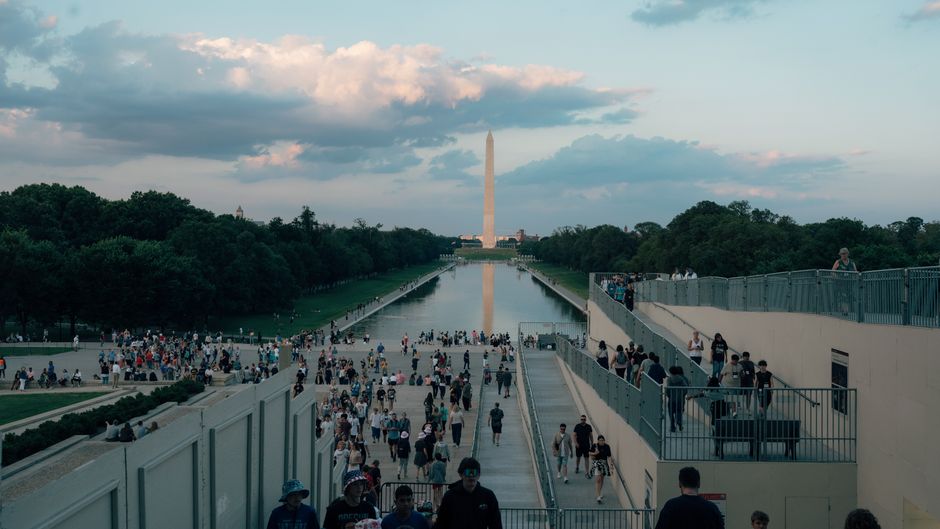
On any given summer evening, the fields around the Tidal Basin hum with activity. Soccer teams in mismatched kits jostle for position, while nearby, recreational volleyball players dive across sand courts near East Potomac Park. It's a scene replicated across Washington DC's neighborhoods, where amateur sports clubs have experienced remarkable growth over the past two years, transforming local recreation into something far more meaningful than simply staying fit.
The District's amateur sports landscape has expanded significantly. According to data from the DC Department of Parks and Recreation, membership in recreational leagues has grown by approximately 28% since 2024, with over 12,000 participants now engaged in organized recreational sports across the city. From Dupont Circle's cycling clubs to Mount Pleasant's co-ed softball leagues, these organizations are doing more than facilitating games—they're building the social fabric that defines modern urban neighborhoods.
Along H Street NE, the revitalized corridor has become a hub for recreational activity. The Atlas Brewing Company hosts regular kickball tournaments that draw teams from across Northeast DC, blending competitive spirit with the neighborhood's craft culture. Membership fees average $85-120 per season, making participation accessible to working professionals and young families alike. Similar affordability marks leagues throughout the District; the Anacostia River's network of clubs charges comparable rates while maintaining robust programming.
What distinguishes DC's amateur sports boom is its community-building DNA. The Capitol Hill Softball League, which operates multiple fields near Congressional Cemetery, has intentionally structured its scheduling to accommodate shift workers, immigrants, and people with caregiving responsibilities. Meanwhile, clubs operating out of Langdon Park in Northeast DC have established mentorship programs connecting youth with adult amateur athletes, creating intergenerational networks that transcend the field itself.
Rachel's Volleyball Club, operating primarily in the Georgetown and West End neighborhoods, exemplifies this trend. With approximately 400 active members across competitive and recreational divisions, the organization has expanded beyond volleyball into social events, fundraising for local causes, and community service initiatives. Their model—combining athleticism with social purpose—increasingly defines DC's recreational sports landscape.
The pandemic accelerated interest in outdoor recreation, but DC clubs have sustained momentum through intentional community engagement. Many leagues now partner with local nonprofits, host family-friendly events, and create pathways for newcomers to DC who are seeking social connection. For a city where neighborhoods sometimes feel like disconnected islands, these clubs represent something increasingly rare: genuinely accessible spaces where strangers become teammates, and teammates become neighbors.
This article was compiled by AI from the sources linked above and screened before publishing. See our editorial standards.
How does this story make you feel?
Spread the word
About this article
Published by The Daily Washington DC
Daily brief
Free, in your inbox before 7am. Weekdays.
More in Sport