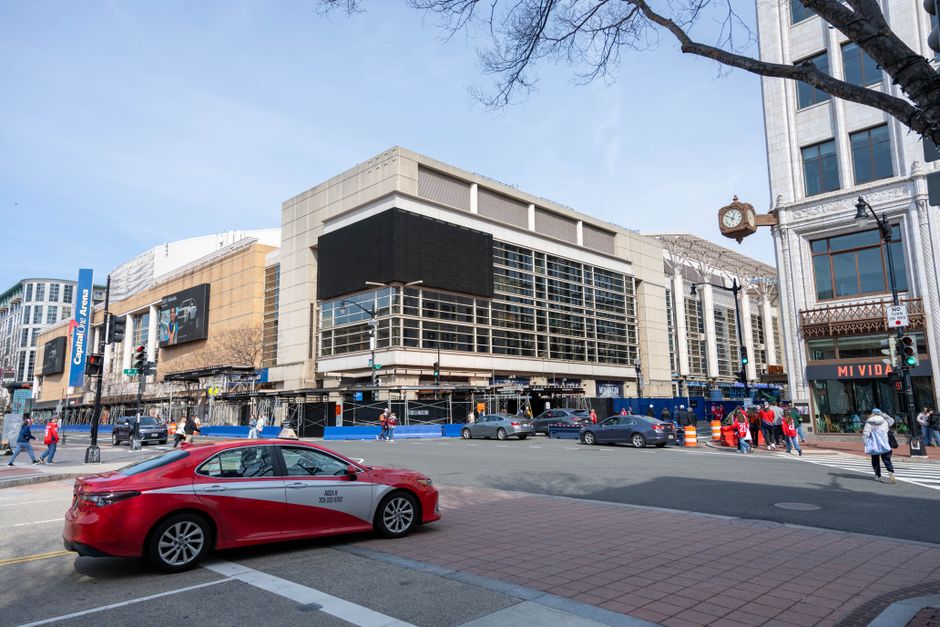
On any given Saturday morning, you'll find them scattered across Washington DC's green spaces: clusters of young athletes in mismatched kits, parents manning water stations, and coaches whose only credential is a genuine belief that every kid deserves the chance to play. This is where the real sports story of the capital unfolds—not at Nationals Park or Capital One Arena, but on the diamond at Woodridge Park in Northeast DC, or the synthetic pitch at Fort Dupont Park in Southeast.
The grassroots sports movement in Washington DC has quietly become the backbone of the city's athletic ecosystem. According to data from DC Parks and Recreation, over 12,000 youth participate in organized community sports programs annually, with registration fees typically ranging from $75 to $250 per season. These aren't luxury programs; they're lifelines for neighborhoods where access to quality athletics would otherwise be limited.
Take the Fort Dupont Ice Arena's youth hockey initiative or the Rock Creek Park athletic leagues—both operating on shoestring budgets sustained by parent volunteers and modest municipal funding. The District's Office of the Deputy Mayor for Planning and Economic Development has recognized this gap, allocating increased resources to neighborhood recreation centers that serve as anchors for youth development. Yet the work remains overwhelmingly dependent on the dedication of volunteer coaches, many of whom juggle these roles alongside full-time employment.
Organizations like the DC Youth Baseball League and the Shaw Neighborhood Little League have become cultural institutions in their own right, serving as gathering points for families across the city's diverse neighborhoods. In Anacostia, the Raptors Youth Sports Organization operates multiple programs targeting underserved communities, offering basketball, track and field, and soccer at rates that don't exclude families based on income.
What makes DC's grassroots movement distinct is its explicit mission: not just developing elite athletes, but building community cohesion. The city's youth sports clubs function as spaces where kids from different neighborhoods and socioeconomic backgrounds compete on equal footing, where immigrant families find belonging, and where single parents can access structured activities that keep young people engaged and safe.
As professional sports continue to dominate headlines and corporate sponsorships reshape athletics at higher levels, DC's grassroots coaches and coordinators remain focused on a simpler mandate. They're not scouting future millionaires. They're teaching discipline, teamwork, and resilience to the thousands of young Washingtonians who will never throw a pitch at a major league stadium—but whose lives are fundamentally changed by having someone believe in them.
That's the story that matters most.
This article was compiled by AI from the sources linked above and screened before publishing. See our editorial standards.