From Pothole to Podium: How DC's Grassroots Running Clubs Built a Movement
Volunteers across the capital are transforming neighbourhood streets into training grounds, proving that elite athletics doesn't need elite budgets.
Volunteers across the capital are transforming neighbourhood streets into training grounds, proving that elite athletics doesn't need elite budgets.
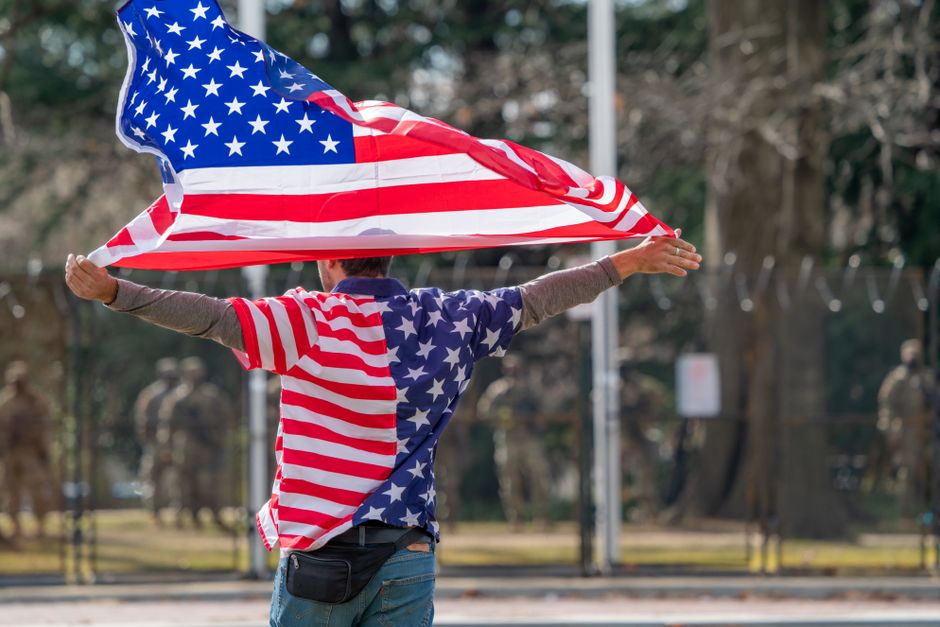
On Tuesday mornings, before the Smithsonian museums open their doors and the National Mall fills with tourists, a different kind of crowd gathers at the Lincoln Memorial. They're not sightseers. They're runners—dozens of them, clad in worn trainers and reflective gear, stretching calves and comparing blisters. This is the backbone of Washington DC's endurance sports renaissance: the grassroots athlete, powered not by sponsorship deals but by community.
The growth is undeniable. Running clubs across DC have swelled from roughly 2,000 active members five years ago to an estimated 8,500 today, according to data compiled by the DC Running Network, a coalition of neighbourhood groups. Cycling clubs have seen similar trajectories, with triathlon participation up 34 percent since 2023, driven largely by entry-level events priced between $45 and $120—accessible to working families across the district's diverse neighbourhoods.
What began in places like Dupont Circle and Logan Circle has spread through Shaw, Anacostia, and Northeast DC. The Anacostia Riverfront Alliance now coordinates three weekly running groups along the 11-mile pathway, with participants ranging from complete beginners to seasoned marathoners. Many are professionals—teachers, nurses, administrators—who've discovered that structured training builds community alongside fitness.
The economics are stark. A commercial gym membership in DC averages $70 monthly. Most running clubs charge nothing. A bike shop tune-up costs $50 to $80; the volunteer-led cycling co-ops operating out of spaces like the Eckington Commons offer guidance for donations. This accessibility matters in a city where median rent has climbed above $1,800, squeezing recreational budgets.
The infrastructure these volunteers have built is remarkable. Organized training plans, injury workshops, nutrition seminars—all coordinated through WhatsApp groups and free community apps. The DC Triathlon Club, which operates entirely on donations, has trained over 400 first-time participants since 2024, many of whom would never have attempted a race without peer encouragement.
Yet challenges remain. Uneven street conditions plague neighbourhoods south of the Anacostia River, and some communities lack safe cycling infrastructure. Several grassroots organisations are pushing city planners for improved pathways and lighting, arguing that endurance sports deserve the same investment as elite venues.
As professional sports dominate headlines, Washington's real athletic story unfolds quietly on neighbourhood streets. These runners, cyclists, and triathletes aren't chasing sponsorships or television contracts. They're building something deeper: spaces where strangers become training partners, where fitness becomes community, and where any street in DC can become a finish line.
This article was compiled by AI from the sources linked above and screened before publishing. See our editorial standards.
How does this story make you feel?
Spread the word
About this article
Published by The Daily Washington DC
Daily brief
Free, in your inbox before 7am. Weekdays.
More in Sport