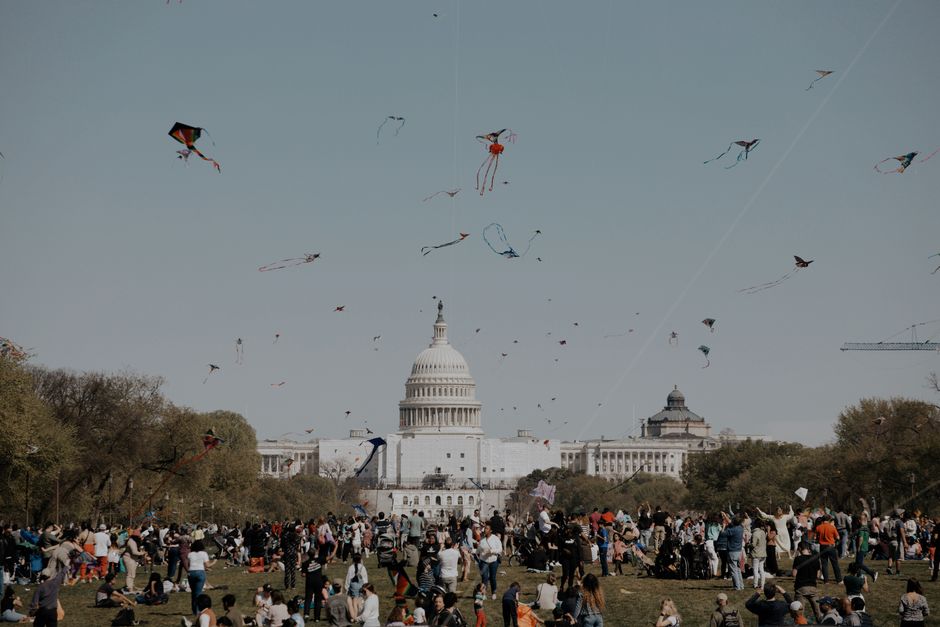
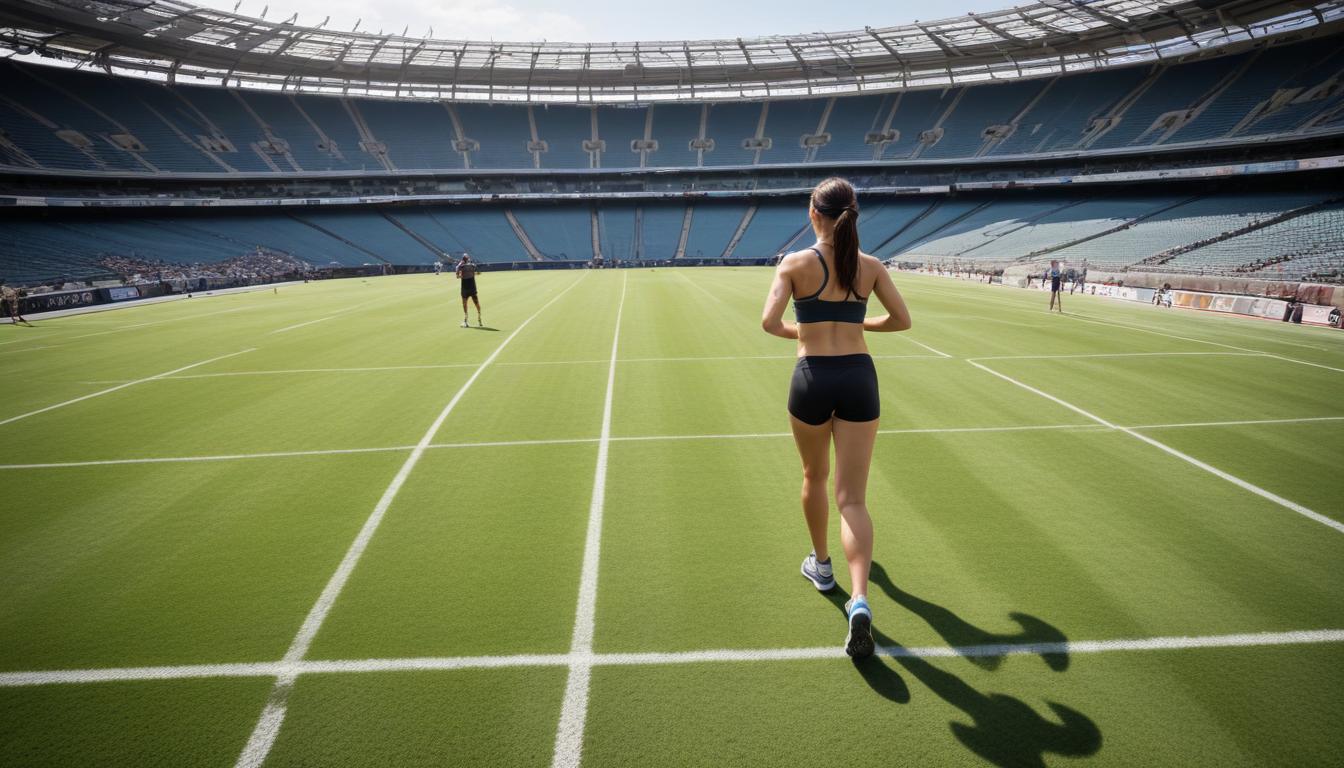
Washington DC has quietly become a hub for endurance sports, driven not by happenstance but by decades of deliberate infrastructure investment. The city's network of trails, pools, cycling routes, and specialized venues now supports thousands of runners, cyclists, and triathletes who might otherwise seek training grounds elsewhere.
Rock Creek Park remains the cornerstone. The 1,754-acre green space threading through the District offers 32 miles of paths, with the main loop attracting upwards of 3,000 daily users during peak season. The park's trails accommodate everyone from casual joggers on the Beach Drive loop to serious cyclists training for century rides. Meanwhile, the paved Rock Creek Park Trail—stretching 13 miles from the Lincoln Memorial to Maryland—has become essential infrastructure for the city's commuter cyclists and weekend warriors.
But DC's endurance infrastructure extends far beyond parks. The Capital Crescent Trail, a 11-mile route connecting Georgetown to Silver Spring, has catalyzed neighborhood revitalization while providing safe cycling infrastructure families desperately need. Similarly, the Metropolitan Branch Trail, opened in sections starting 2015 and now spanning much of its planned route through Northeast DC, connects the Brookland and Fort Totten neighborhoods to downtown corridors.
Pool access—critical for triathlon training—concentrates in specific neighborhoods. The Uptown pools near 16th and Kennedy Streets serve Northwest DC, while the Friendship Recreation Center in Woodridge offers aquatic facilities to Northeast residents. The DC Department of Parks and Recreation operates 27 outdoor pools seasonally and maintains indoor facilities year-round, with lap swimming hours accommodating serious swimmers at reasonable municipal rates.
The triathlon scene itself has bloomed partly due to Race Across America establishing its headquarters operations regionally and events like the Anacostia Triathlon utilizing the Anacostia River waterfront improvements. Navy Yard-Ballpark's recent development has brought cycling-specific infrastructure: bike lanes on Half Street and emerging fitness studios catering to the endurance crowd.
What distinguishes DC's endurance infrastructure is intentionality. The District's Vision Zero initiative prioritized protected bike lanes on major commuter corridors like Pennsylvania Avenue and Constitution Avenue, making training routes safer. The Rock Creek Park Master Plan, updated in 2019, explicitly recognized recreational endurance use as critical to the park's mission.
Yet gaps remain. Triathlon transition zones require dedicated facilities many athletes must import from Maryland or Virginia. Northern neighborhoods lack equivalent trail density compared to Rock Creek's dominance. Still, for 2026, DC's endurance athlete can construct a serious training regimen without leaving the District—a luxury most American cities cannot offer.
This article was compiled by AI from the sources linked above and screened before publishing. See our editorial standards.