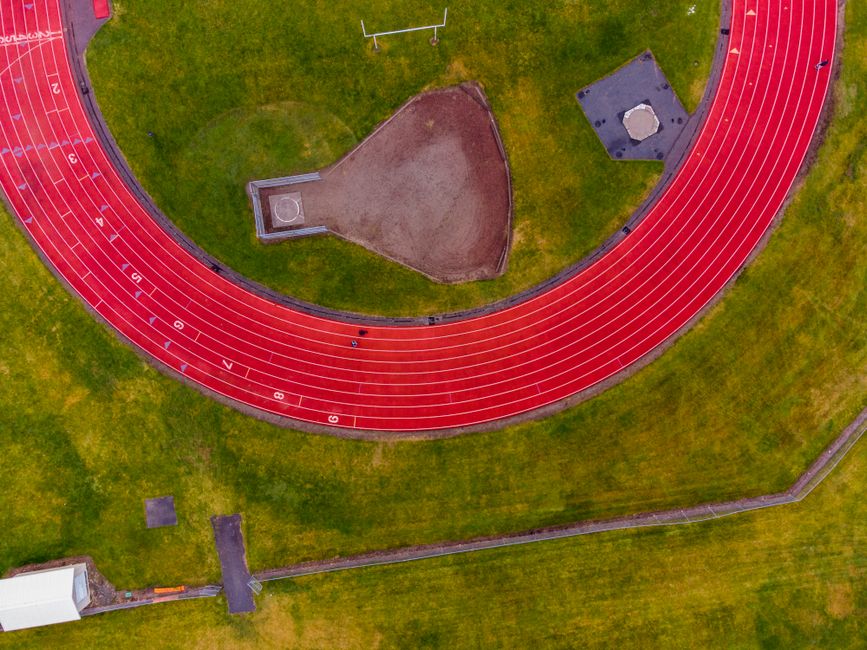
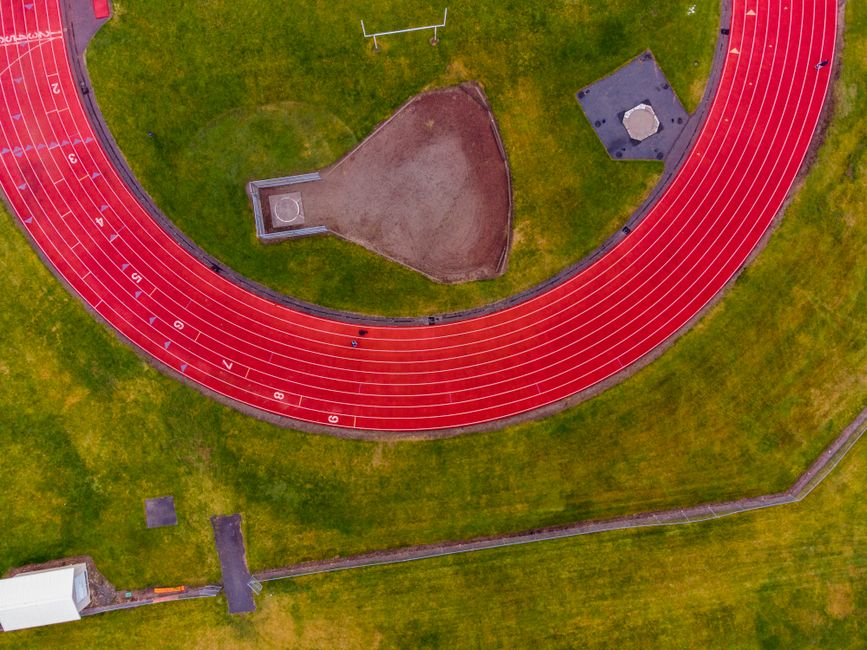
Walk past Banneker High School in Woodridge or Fort Stevens Park in Takoma on any weekday afternoon, and you'll see the draw: dozens of young athletes crowding basketball courts, soccer fields, and tennis facilities. Yet beneath this vibrant youth sports ecosystem lies a critical infrastructure problem that city officials and nonprofit leaders are scrambling to address.
DC's youth sports participation has climbed steadily over the past five years, with Parks and Recreation reporting a 23 percent increase in registered youth leagues since 2021. But the facilities supporting this growth—many built in the 1970s and 1980s—are straining under the demand. A 2024 assessment by the DC Department of Parks and Recreation identified deferred maintenance costs exceeding $180 million across its portfolio of courts, fields, and recreation centers.
The disparities are stark. Well-funded neighborhoods like Georgetown and Cleveland Park maintain superior facilities: recently resurfaced courts at Volta Park, LED-lit fields, and air-conditioned clubhouses. Meanwhile, communities east of the Anacostia River—Anacostia, Congress Heights, and Deanwood—rely on facilities plagued by cracked asphalt, aging drainage systems, and inconsistent lighting that restricts evening programming.
Youth athletic clubs and nonprofits are filling gaps where government resources fall short. Organizations like the DC Department of Parks and Recreation's partnership with the Friendship Public Charter School network have expanded access to indoor facilities during winter months. Yet fees remain prohibitive for many families: travel soccer clubs in the District charge between $800 and $1,500 annually, while elite AAU basketball programs exceed $2,000 per season.
The situation prompted the DC Council in 2025 to allocate $45 million toward facility upgrades, prioritizing underserved wards. Mayor Muriel Bowser's Office of the City Administrator has announced plans to renovate six recreation centers across Wards 7 and 8, including the long-neglected Woodridge Recreation Center and Oxon Run Park complex. First-phase improvements, targeted for completion by late 2027, will include resurfaced courts and expanded field capacity.
Community leaders emphasize that infrastructure investment directly impacts youth development and retention. Early intervention programs tied to recreational access have shown measurable success in reducing youth disconnection, particularly in east-of-Anacostia neighborhoods where facility availability has historically been limited.
As DC continues its urban growth trajectory, the question remains: will the city's youth sports infrastructure keep pace with rising demand, or will aging facilities perpetuate geographic inequities in athletic opportunity?
This article was compiled by AI from the sources linked above and screened before publishing. See our editorial standards.