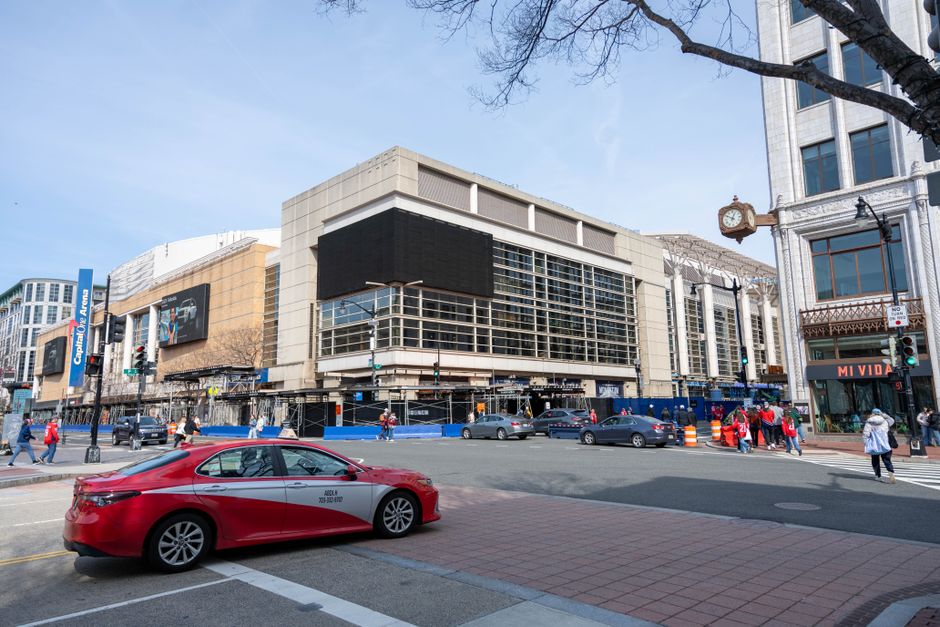
Walk down Martin Luther King Jr. Avenue in Southeast DC on a Saturday morning, and you'll find something that doesn't appear on any tourism board: a converted parking lot transformed into a thriving basketball court where teenagers perfect their jump shots under the watchful eye of volunteer coaches. This is where the real story of DC sports unfolds—not inside the gleaming walls of Capital One Arena or Nationals Park, but in the neighbourhoods where access, opportunity, and community pride intersect.
The District's major venues—from the 20,000-seat Capital One Arena in Chinatown to Nationals Park along the Anacostia River—represent the polished face of Washington sports. Yet for every professional game attended by tourists and season-ticket holders, dozens of grassroots initiatives are quietly building the athletic and social infrastructure that sustains the city's sporting culture. Organizations like the Friendship Recreation Center in Columbia Heights and the Fort Lincoln Recreation Center in Northeast DC serve as anchors, offering affordable programming that costs between $25 and $75 per season—a stark contrast to $100-plus ticket prices for professional games.
What makes these spaces revolutionary isn't glamour; it's access. The Metropolitan DC Youth Basketball League, operating across eight neighbourhood recreation departments, serves over 3,500 young athletes annually. Many participants come from households where professional sports feel geographically and financially distant. A 2025 community sports survey found that 68 percent of youth participants in DC's grassroots programmes wouldn't otherwise engage in organized athletics, citing cost and proximity as primary barriers.
The impact extends beyond statistics. Coaches at neighbourhood courts—often volunteers working second jobs—report that participants show improved school attendance and graduation rates. The Anacostia Watershed Society's running initiative has created a weekly gathering of over 200 residents in Kenilworth Park, transforming a historically underutilized green space into a hub for community wellness.
Yet funding remains precarious. While major stadiums attract corporate investment and generate tourism revenue, grassroots programmes depend on municipal budgets increasingly stretched thin. City council allocations to recreation departments have remained relatively flat over the past three years, even as demand climbs.
As DC's professional sports teams continue drawing crowds to downtown venues, the real championship is happening in gymnasium bleachers and on neighbourhood courts—where young athletes discover not just the love of the game, but the power of community investment. That story rarely makes headlines. Perhaps it should.
This article was compiled by AI and screened before publishing. See our editorial standards.