Nationals Park isn't just for baseball anymore. This spring, the iconic stadium along the Anacostia River hosted its third consecutive season of "Stadium Fitness Nights," drawing nearly 8,000 participants for outdoor yoga, running clinics, and strength training sessions—a 34 percent increase from 2024. The data tells a story about Washington D.C. that extends far beyond bleachers and box scores: this is a city actively rethinking how it moves.
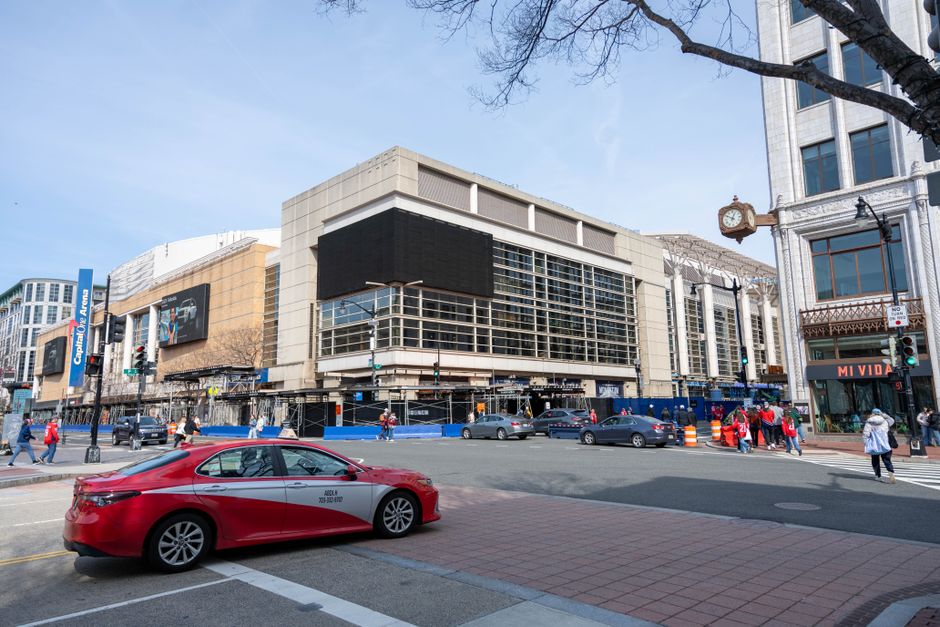
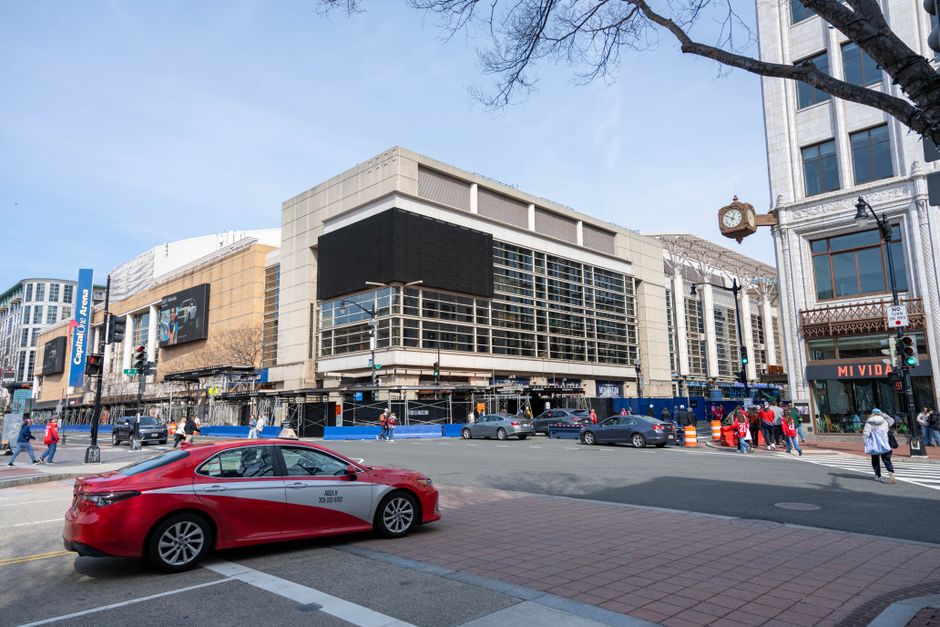
The Capital Sports Commission reported last month that participation in organized fitness events across major D.C. venues—including Capital One Arena in Chinatown, the Wharf's waterfront facilities, and Rock Creek Park's emerging fitness circuit—has grown 22 percent year-over-year. Perhaps more striking, evening and early-morning sessions now account for 67 percent of all bookings, suggesting working professionals are reshaping their schedules around structured fitness rather than the reverse.
The economics matter too. Average pricing for community fitness classes at these venues has stabilized around $15-$25 per session, making participation far more accessible than private gym memberships, which typically run $50-$100 monthly in the District. This democratization appears to be working: a June survey by the Downtown D.C. Business Improvement District found that 41 percent of respondents in the Navy Yard–Ballpark neighborhood now participate in at least one organized fitness activity weekly, up from 28 percent in 2023.
The Georgetown waterfront has emerged as a particular hotspot. Running clubs affiliated with local nonprofits and fitness providers report membership has surged to over 3,200 active members across the neighborhood, with Tuesday and Thursday evening runs along the C&O Canal towpath regularly drawing 200-plus participants. Many trace this growth to improved lighting and safety infrastructure completed last year, but the data suggests something deeper: a cultural shift toward communal exercise.
Not all neighborhoods are experiencing equal growth, however. Northeast D.C. facilities report more modest increases, though recent investments in Fort Totten Park and the reopening of the Takoma Park recreation center may shift that calculus. Meanwhile, demand for fitness programming at Ward 8 facilities continues to outpace supply, underscoring persistent equity gaps in the city's sports infrastructure.
For city planners and civic leaders watching these trends, the message is clear: Washingtonians are voting with their feet. The question now is whether the city's aging venues and uneven neighborhood infrastructure can keep pace with this appetite for active community life.
This article was compiled by AI and screened before publishing. See our editorial standards.