Remote Work Revolution: What DC Job Seekers and Professionals Need to Know in 2026
As hybrid arrangements become standard across the capital's tech and policy sectors, here's how to navigate the shifting workplace landscape.
As hybrid arrangements become standard across the capital's tech and policy sectors, here's how to navigate the shifting workplace landscape.
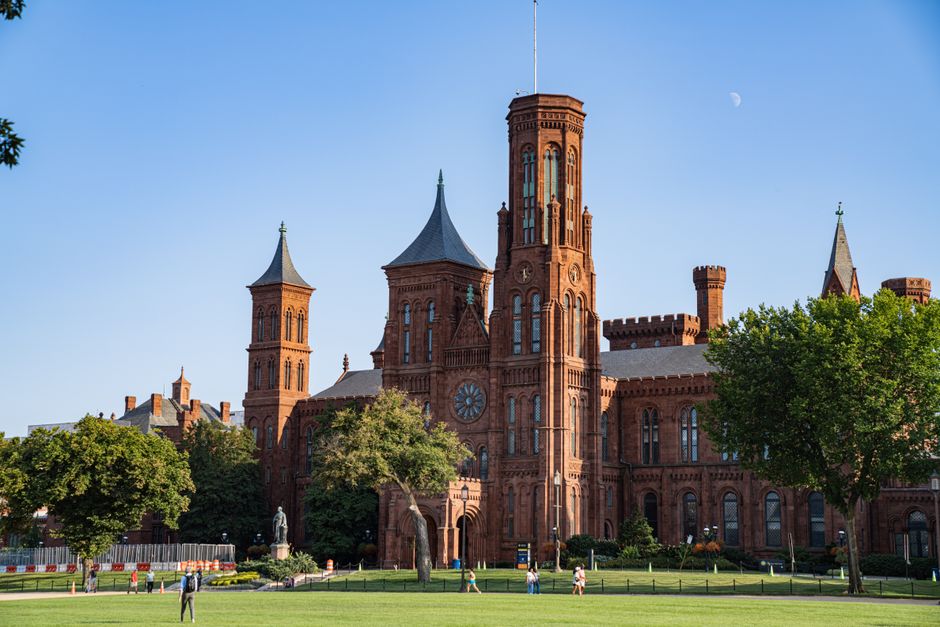
Washington DC's professional landscape has fundamentally transformed. Two years into the post-pandemic era, remote work isn't an experiment anymore—it's infrastructure. For job seekers and career changers in the nation's capital, understanding this evolution isn't optional.
The numbers tell the story. According to recent workforce surveys tracking DC's tech corridor, roughly 68 percent of professional positions now offer some form of flexible arrangement. Unlike the early pandemic scramble, today's remote work comes with guardrails: most employers specify hybrid schedules, typically two to three days in-office weekly. This shift has reshaped everything from real estate demand to how professionals build networks.
For those hunting jobs, flexibility cuts both ways. Companies recruiting across the country can now tap DC talent without relocation pressure, intensifying competition. A marketing manager applying for a role at a firm near K Street now competes with candidates in Philadelphia and Richmond. The advantage: DC professionals can similarly look beyond the Beltway. Tech workers here increasingly explore opportunities with San Francisco firms or Austin startups while maintaining their Columbia Heights or Capitol Hill addresses.
The coworking sector has matured accordingly. WeWork's 2024 pullback from oversized DC portfolios left room for specialized spaces. SharedSpace in Dupont Circle and TechSpring near Union Market now cater to specific communities—freelancers, early-stage founders, nonprofit technologists. Monthly memberships run $300-$600, positioning them as serious alternatives to home offices or expensive traditional leases.
But here's what job seekers must know: remote work hasn't democratized opportunity equally. Policy roles—abundant in DC—still demand in-person presence for relationship-building. Congressional staff positions, think tank roles, and federal agency work remain primarily office-based, though some flexibility has crept in. Meanwhile, tech companies, nonprofits, and consulting firms have embraced full-remote or genuinely hybrid approaches.
Networking has become intentional rather than incidental. DC's traditional power-lunch culture now competes with virtual communities and coworking meetups. Professionals serious about advancement should treat in-office days strategically—scheduling back-to-back meetings rather than scattered days. Those days matter for visibility, mentorship, and collaboration that still doesn't translate through video calls.
For job seekers, the practical reality: evaluate offers carefully. Ask about synchronous expectations, team distribution, and whether your role genuinely supports remote work or just tolerates it. DC's competitive market means you have leverage. Use it to negotiate arrangements that match your productivity style and career goals.
The future of work isn't settled. But in Washington DC, understanding these dynamics—and their exceptions—separates competitive candidates from those left behind.
This article was compiled by AI from the sources linked above and screened before publishing. See our editorial standards.
How does this story make you feel?
Spread the word
About this article
Published by The Daily Washington DC
Daily brief
Free, in your inbox before 7am. Weekdays.
More in tech