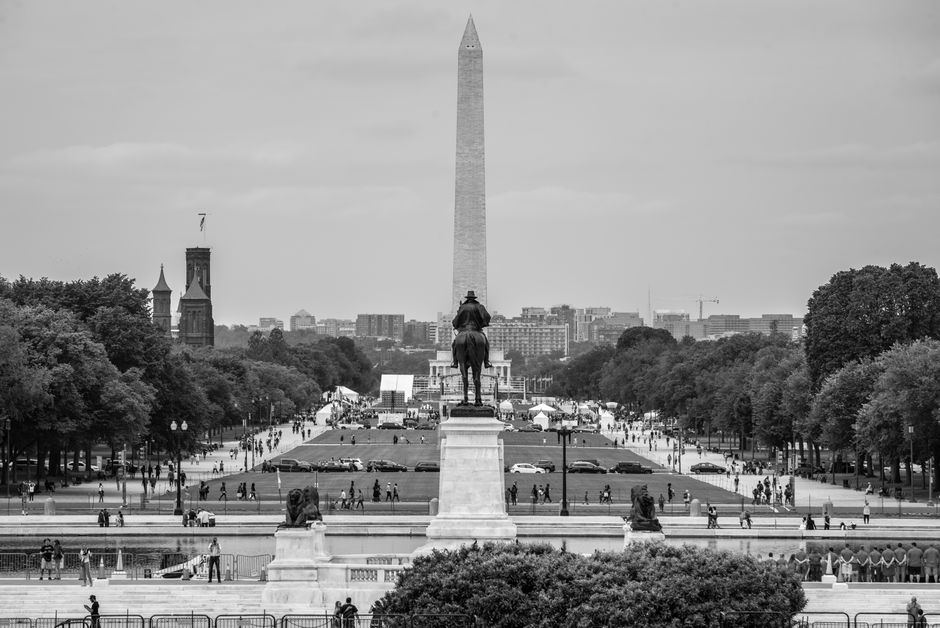
Walk down M Street in Georgetown or through the glass corridors of the NoMa tech district, and you'll encounter something peculiar to Washington DC: cybersecurity firms operating in the shadow of actual power. This proximity to federal institutions, intelligence agencies, and policy-makers has forged a cybersecurity ecosystem that distinguishes the capital from every other global tech hub.
Unlike Silicon Valley's consumer-first model or London's fintech concentration, DC's cyber sector is architected around national security requirements and government contracts. A 2025 tech workforce analysis found that 34% of cybersecurity professionals in the DC metro area hold federal security clearances—a figure that plummets to 8% in San Francisco and 12% in New York. That clearance premium creates a talent moat and a regulatory reality that shapes everything from hiring practices to product development.
The economic implications are staggering. According to the DC Tech Council, cybersecurity and defense tech represented $18.7 billion of the region's $94 billion annual tech output last year. Companies headquartered in Rosslyn, Arlington, and along the K Street corridor aren't pursuing Series A funding from Sand Hill Road investors; they're competing for contracts with the Department of Defense, the National Security Agency, and emerging federal agencies managing critical infrastructure.
This creates a paradox that defines DC's distinctiveness. While tech hubs globally compete on innovation speed and consumer adoption, Washington's cybersecurity firms operate under compliance frameworks that would paralyze startups elsewhere. Federal Information Processing Standards, NIST cybersecurity guidelines, and classified facility requirements aren't obstacles here—they're business moats. A startup in Arlington with the right clearances and government relationships can command valuations that peer companies in Boston or Austin would never achieve.
Yet this government entanglement cuts another way. The revolving door between federal agencies and private firms creates unique expertise density. Former NSA and Cyber Command officials often transition into roles at companies clustered near Union Station and the Capitol Hill area, bringing institutional knowledge that no other city's tech ecosystem can replicate. That human capital advantage compounds: three of the five largest US federal contractor cybersecurity divisions maintain headquarters or major operations in the DC region.
The downside? Innovation in DC's cyber sector often moves slower than elsewhere. Products designed for government procurement timelines lack the ruthless velocity of consumer tech. Regulatory compliance dominates roadmaps. Venture capital flows here, but with different risk tolerances and exit timelines.
As geopolitical tensions reshape tech investment globally, Washington DC's unusual architecture—where proximity to power, security clearances, and government relationships replace venture capital and consumer metrics as primary success drivers—has never looked more distinctive. This city doesn't just talk about cybersecurity policy. It builds products inside it.
This article was compiled by AI and screened before publishing. See our editorial standards.