Screen Time and Sleep: What the Research Actually Shows
As DC's notoriously long work hours collide with constant connectivity, sleep scientists weigh in on what your late-night phone habit really does to your rest.
As DC's notoriously long work hours collide with constant connectivity, sleep scientists weigh in on what your late-night phone habit really does to your rest.
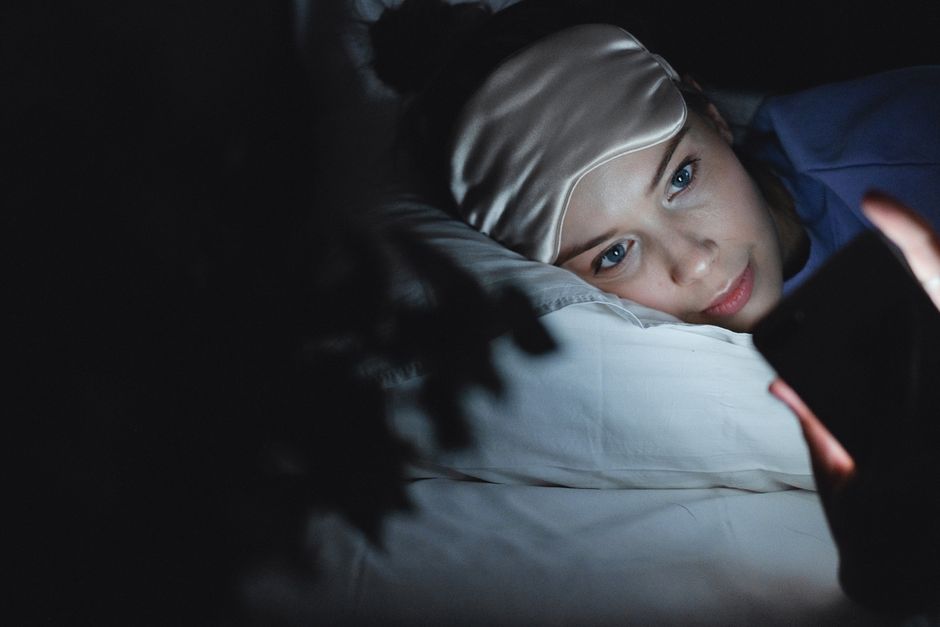
Washington's reputation for round-the-clock work culture doesn't end when you leave the office on K Street or Capitol Hill. For many residents, the real workday—emails, Slack messages, news alerts—continues in bed, phone in hand, well past midnight. But what does the science actually say about screens and sleep quality?
Recent research from NIH-affiliated sleep laboratories suggests the relationship is more nuanced than "blue light bad." While light exposure does suppress melatonin production, the content you're consuming matters just as much as the wavelength. A 2025 meta-analysis found that passive scrolling through social media correlates more strongly with delayed sleep onset than reading email or news—likely because social platforms are engineered to trigger dopamine responses that keep your brain alert. Work-related screen use showed the weakest sleep disruption of the three categories studied.
"The mechanism isn't purely about light," explains Dr. Sarah Chen, a sleep researcher at the National Sleep Research Center. "It's about cognitive and emotional activation." This distinction matters for Washingtonians juggling demanding jobs with genuine evening commitments.
The practical implications are worth examining. A Georgetown University wellness survey last year found that DC residents average 47 minutes of pre-sleep screen time—higher than the national average of 38 minutes. Yet many sleep well despite this. The difference often comes down to *when* that screen time occurs and what happens immediately after.
Sleep specialists increasingly recommend a graduated approach rather than a hard cutoff. Stopping work emails by 9 p.m. while reading news or messaging friends until 10:30 p.m. may produce better sleep than rigid abstinence that causes anxiety about disconnection. The key is avoiding high-stimulation content in the final 30-45 minutes before sleep.
For DC's active population—those logging miles on Rock Creek Park trails or cycling Capital Bikeshare routes home—physical activity remains the strongest predictor of sleep quality, often overriding moderate screen time effects. Evening exercise, though, should finish by 8 p.m. to avoid stimulating your nervous system too close to bedtime.
If you're concerned about your sleep, the Georgetown University Sleep Disorders Center and Sibley Memorial Hospital both offer local consultations. But before investing in blue-light glasses or costly sleep apps, the research suggests starting simpler: notice what *type* of screen content leaves you wired, and experiment with a genuine 30-minute wind-down period using whatever medium actually helps you relax. For some, that's a book. For others, it's a podcast. The science supports flexibility here—but not doom-scrolling.
This article was compiled by AI from the sources linked above and screened before publishing. See our editorial standards.
How does this story make you feel?
Spread the word
About this article
Published by The Daily Washington DC
Daily brief
Free, in your inbox before 7am. Weekdays.
More in Wellness