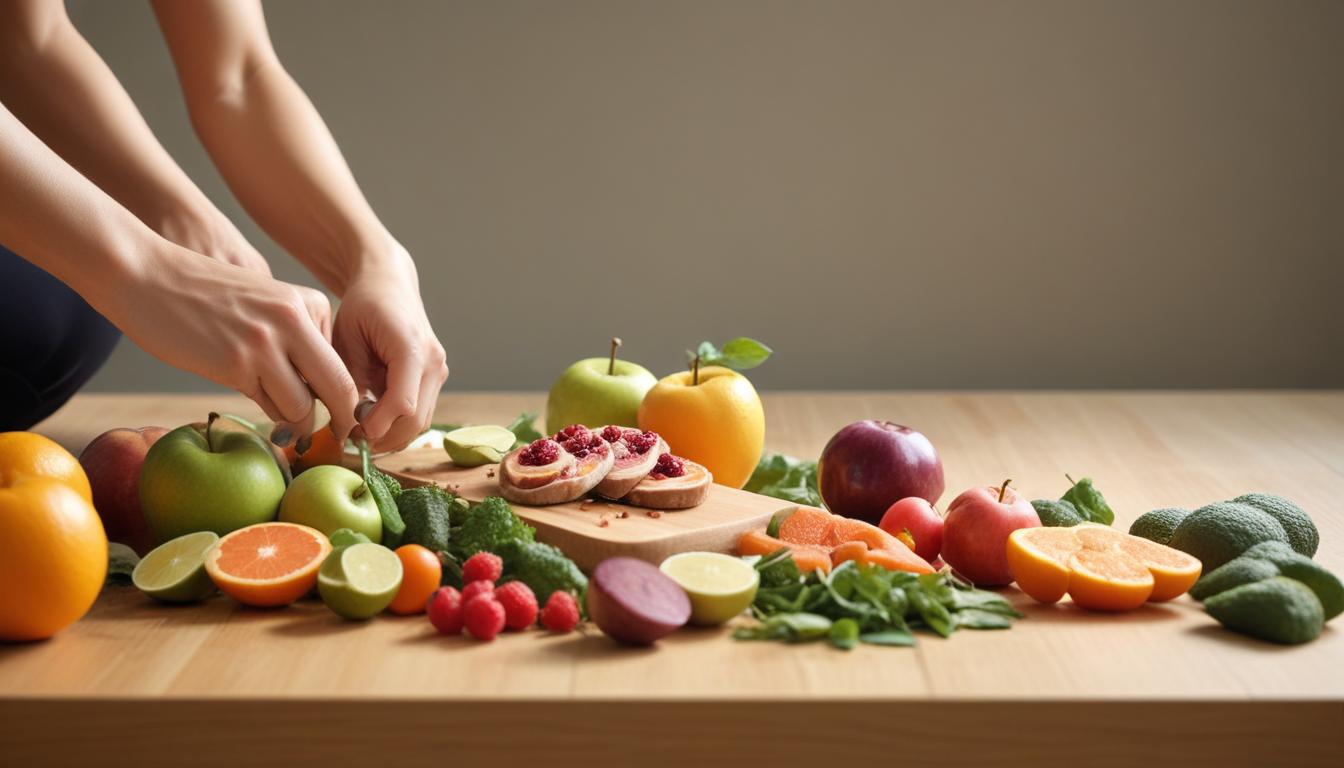
From Farm to Table to Fitness: How DC's Nutrition Movement Is Reshaping Wellness Culture
Local farmers markets, meal-prep startups, and a growing network of dietitians are turning the nation's capital into a hub for food-as-medicine thinking.
Local farmers markets, meal-prep startups, and a growing network of dietitians are turning the nation's capital into a hub for food-as-medicine thinking.
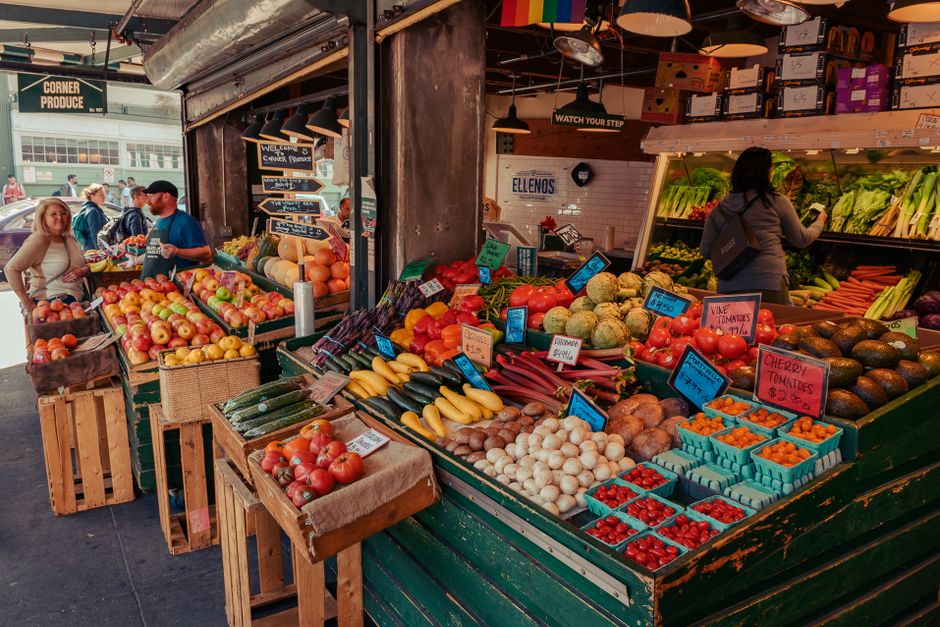
Walk through the Union Market on a Saturday morning, and you'll notice something that's become distinctly Washington: nutrition isn't just about eating well anymore—it's become woven into how thousands of residents approach their entire wellness routine. From Capitol Hill to Woodley Park, a quiet revolution in how this city thinks about food is gaining momentum, driven by accessible local resources, community-focused businesses, and a population increasingly attuned to the connection between what they eat and how they feel.
The shift is visible in the numbers. Farmers markets across DC have grown by 40 percent since 2020, according to the DC Department of Energy and Environment. The Saturday Dupont Circle Market, Sunday H Street Farmers Market, and year-round operations at Eastern Market now attract thousands seeking locally grown produce and direct connections with growers. For many residents, this isn't about Instagram aesthetics—it's about understanding where their food comes from and making choices aligned with their fitness and longevity goals.
Local entrepreneurs have noticed. A wave of nutrition-focused meal-prep companies—many operating from shared kitchens in neighborhoods like Ivy City and Takoma—now serve the city's running clubs, CrossFit studios, and office workers seeking balanced lunch options. Meanwhile, registered dietitians have become increasingly visible fixtures, with practices concentrated along the K Street corridor and in neighborhoods like Bethesda and Arlington, offering consultations that go beyond generic diet advice to address individual health markers and lifestyle.
The Georgetown waterfront and surrounding neighborhoods have become particularly receptive to this trend. Juice bars, grain bowls, and Mediterranean restaurants emphasizing whole ingredients and nutritional transparency have proliferated along M Street and Wisconsin Avenue. These aren't passing fads—they're responding to genuine local demand from a demographic that views nutrition as foundational to fitness, mental health, and disease prevention.
What's driving this shift? Experts point to DC's educated, health-conscious population, proximity to NIH research in Bethesda, and a strong outdoor culture centered on Rock Creek Park and the Mall. Residents who regularly bike via Capital Bikeshare or run local trails are increasingly interested in optimizing their nutrition to match their activity levels. The connection feels natural here.
For those looking to tap into this movement, the entry points are genuinely accessible: Eastern Market offers affordable seasonal produce, free nutrition workshops happen regularly through DC Department of Health, and the city's library branches increasingly host cooking classes focused on whole foods and plant-forward eating. The wellness trend isn't exclusive to the wealthy—it's becoming democratized, neighborhood by neighborhood.
This article was compiled by AI from the sources linked above and screened before publishing. See our editorial standards.
How does this story make you feel?
Spread the word
About this article
Published by The Daily Washington DC
Daily brief
Free, in your inbox before 7am. Weekdays.
More in Wellness