The Rise of Outdoor Boot Camps: What to Expect
From the Lincoln Memorial to Rock Creek Park, Washington DC's fitness scene is embracing high-intensity group training—and locals are lacing up in record numbers.
From the Lincoln Memorial to Rock Creek Park, Washington DC's fitness scene is embracing high-intensity group training—and locals are lacing up in record numbers.
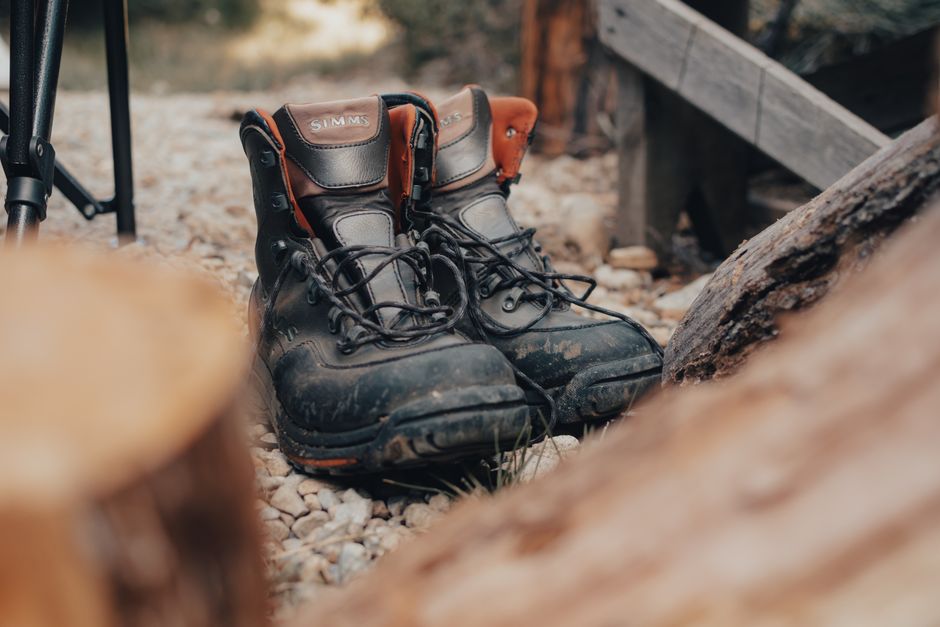
Walk through Rock Creek Park on any given morning, and you'll spot them: clusters of people in athletic wear, moving through burpees and sprints under the guidance of a certified instructor. Outdoor boot camps have become a defining fixture of Washington DC's fitness culture, transforming public spaces into makeshift gyms where community and conditioning intersect.
The trend reflects a broader shift in how DC residents approach fitness. According to fitness industry trackers, outdoor group exercise classes in urban parks nationwide have grown 34 percent since 2023, with major metropolitan areas like Washington leading the charge. The appeal is straightforward: fresh air, flexible pricing, and the motivational energy of exercising alongside neighbors.
Boot camps typically operate on structured schedules, often meeting three to five times weekly at popular locations like the Tidal Basin, the grounds near the National Mall, and various points along the Rock Creek Trail system. Most sessions run 45 to 60 minutes and blend cardio, strength training, and functional movement patterns. Pricing generally ranges from $15 to $25 per class, with many operators offering monthly memberships between $60 and $120—significantly lower than indoor gym alternatives.
What newcomers should know: arrive 10 minutes early to introduce yourself to the instructor and discuss any injuries or modifications you might need. Boot camps are designed to accommodate varying fitness levels, though the environment is inherently intense. Bring water, wear supportive footwear suited to uneven terrain, and expect to be challenged. Most instructors emphasize that intensity is self-regulated—you control your pace.
The social dimension cannot be overstated. Participants often form lasting friendships, carpool to weekend events, and create informal accountability networks. For those accustomed to solo running or isolated gym sessions, the group dynamic can be transformative, particularly in a city where many residents lack deep community ties.
The DC running community, already robust thanks to clubs like the DC Road Runners, has embraced boot camps as complementary conditioning. Several established trainers now operate multiple weekly sessions across different neighborhoods, from Georgetown waterfront locations to eastern neighborhoods along the Anacostia.
Before joining, research instructors' certifications—legitimate boot camp leaders typically hold credentials through ACE, NASM, or similar organizations. Check reviews on community boards and social media, and don't hesitate to ask about modifications for injuries or mobility limitations. Most reputable operators prioritize inclusivity and progression.
Washington DC's outdoor boot camp movement reflects the city's commitment to accessible, community-oriented wellness. Whether you're seeking structure, social connection, or simply a change of scenery from indoor training, the parks are waiting.
This article was compiled by AI from the sources linked above and screened before publishing. See our editorial standards.
How does this story make you feel?
Spread the word
About this article
Published by The Daily Washington DC
Daily brief
Free, in your inbox before 7am. Weekdays.
More in Wellness