When Eleanor Martinez first moved to Cleveland Park fifteen years ago, she'd resigned herself to a quiet retirement. At 68, she'd accepted the creeping stiffness in her knees and the fatigue that made climbing Woodley Park's gentle slopes feel impossible. Then a neighbor invited her to join the Rock Creek Running Club's over-60 walking group, which gathers Tuesday mornings near the Nature Center. Three years later, Martinez completes the group's monthly 5K walks and has introduced five friends to the same trail system.
Martinez's story echoes across DC's neighborhoods. Georgetown University's Center on Aging reports that older adults who engage in regular community-based physical activity show a 23 percent improvement in self-reported mobility within six months. For seniors in the District, that opportunity is literally on the doorstep.
The data reflects a broader shift. According to AARP's 2025 survey, 64 percent of adults over 60 in the DC metro area now prioritize "active aging," with walking and cycling as preferred activities. Capital Bikeshare has responded: memberships for seniors (65+) cost just $10 monthly, and the network now includes 700+ stations reaching from Adams Morgan to Anacostia. The NIH's National Institute on Aging, headquartered in Bethesda, continues publishing research showing that consistent low-impact movement preserves independence better than medication alone.
Thomas Chen, 72, discovered this firsthand when arthritis threatened his independence. Rather than accept limitations, he joined a water aerobics class at the Chevy Chase Recreation Center—one of eight city facilities offering senior-specific programming. Within four months, he regained confidence navigating stairs. Now he leads weekend kayaking trips down the Potomac for other older adults discovering that movement adapts, but doesn't disappear with age.
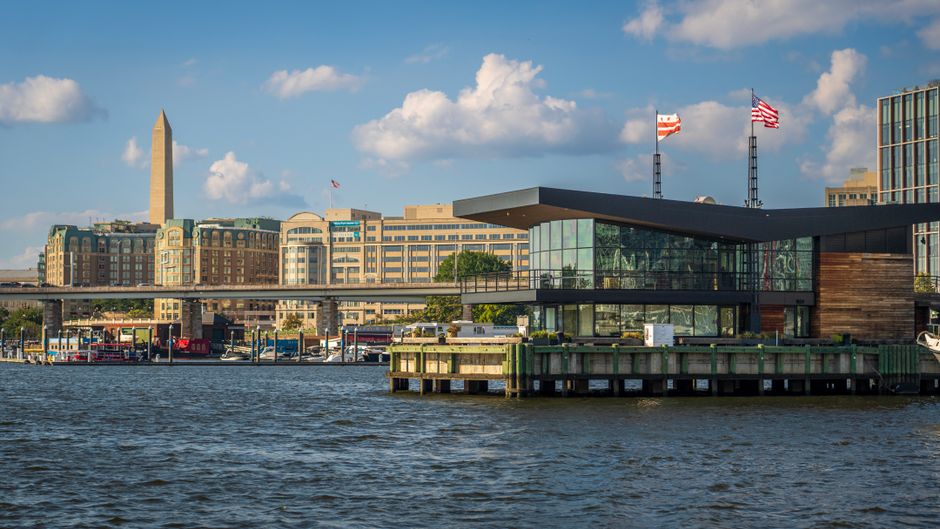
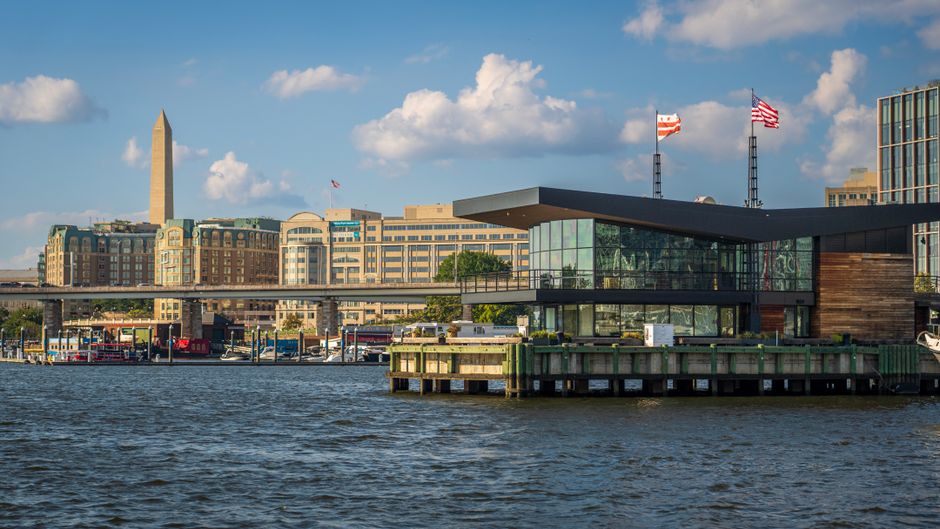
The transformation these stories represent isn't accidental. Community-led initiatives—from the Georgetown waterfront's accessible walking paths to the Lincoln Memorial's gentle loops—have made movement possible for bodies that wouldn't thrive in commercial gyms. The DC Department of Parks and Recreation offers free or low-cost fitness classes specifically designed for older adults at neighborhood centers throughout Ward 3, Ward 4, and beyond.
What connects these stories is recognition that aging well isn't about reversing time; it's about discovering what your body can still do. For DC's seniors, that discovery increasingly happens not in isolation, but alongside neighbors on beloved local trails, building community while building resilience.
This article was compiled by AI and screened before publishing. See our editorial standards.