Digital Detox: Setting Phone-Free Hours That Actually Work
Washington's relentless connectivity culture is burning people out — but a growing number of locals are reclaiming their evenings, one screen-free hour at a time.
Washington's relentless connectivity culture is burning people out — but a growing number of locals are reclaiming their evenings, one screen-free hour at a time.
The average American now picks up their smartphone 144 times a day. In a city where policy staffers monitor news alerts at midnight and lobbyists answer Slack messages before their morning coffee, that number almost certainly skews higher. Mental health clinicians across the District are increasingly treating what they call "always-on exhaustion" — a chronic stress state tied directly to the absence of any real break from screens.
The timing matters. This summer, with July Fourth weekend forcing many federal workers to take rare consecutive days off, therapists and wellness advocates are urging Washingtonians to use the long weekend not just as a break from the office, but as a genuine reset of their digital habits. The science backing this up has grown considerably more specific: a 2023 study published in the Journal of Experimental Psychology found that merely having a smartphone visible on a desk — even face-down and silenced — measurably reduced participants' cognitive capacity. Removal of the device, not silencing it, was the critical variable.
Rock Creek Park has become one of the city's most practical detox environments. The 1,754-acre park, which runs from the Maryland border down through Georgetown and into Foggy Bottom, has enough trail coverage — over 30 miles of marked paths — that runners and hikers frequently report losing cell signal entirely on the western ravine routes near Beach Drive. The DC Road Runners Club, which organizes group runs departing from the Carter Barron Amphitheatre on 16th Street NW on Saturday mornings, has built a quiet norm of phone-free group miles into its culture. Members leave devices in cars or locked in small pouches at the trailhead.
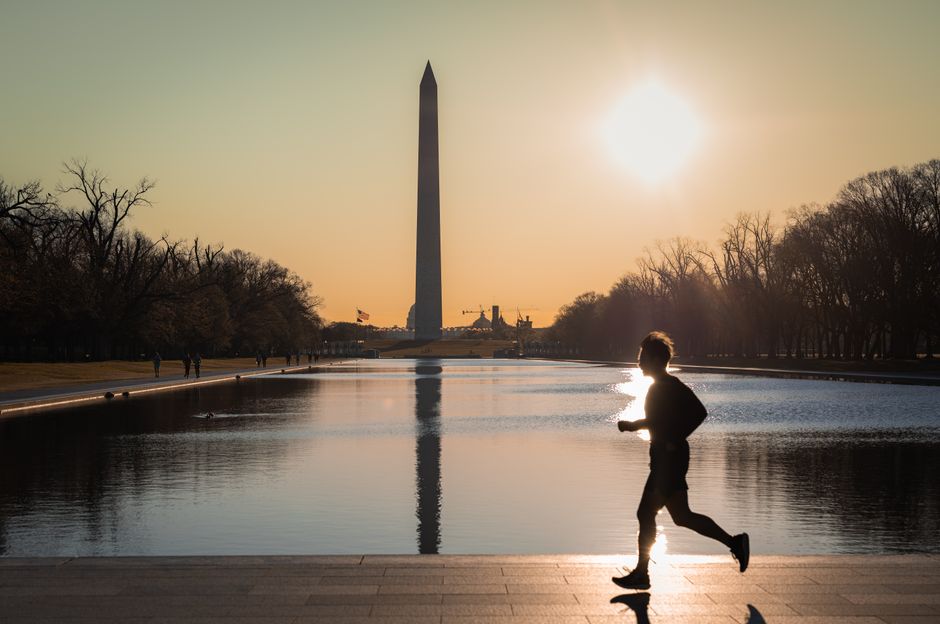
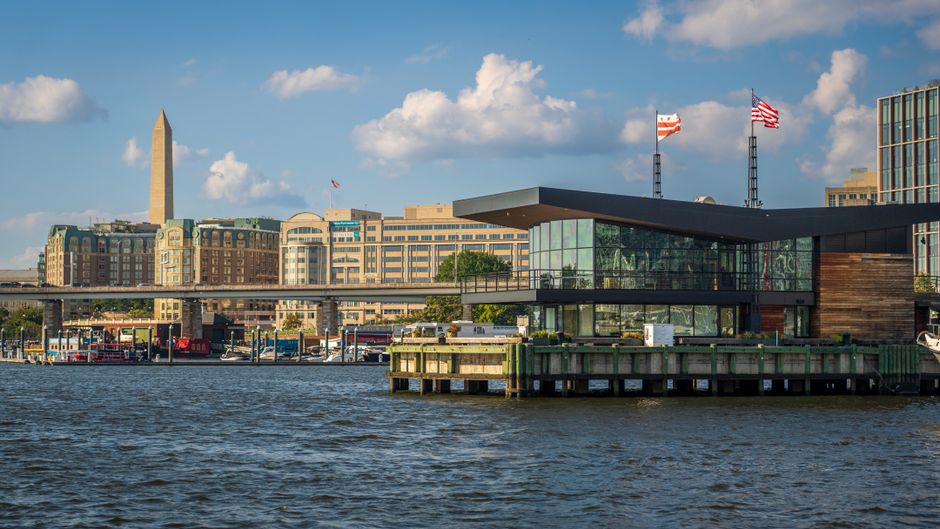
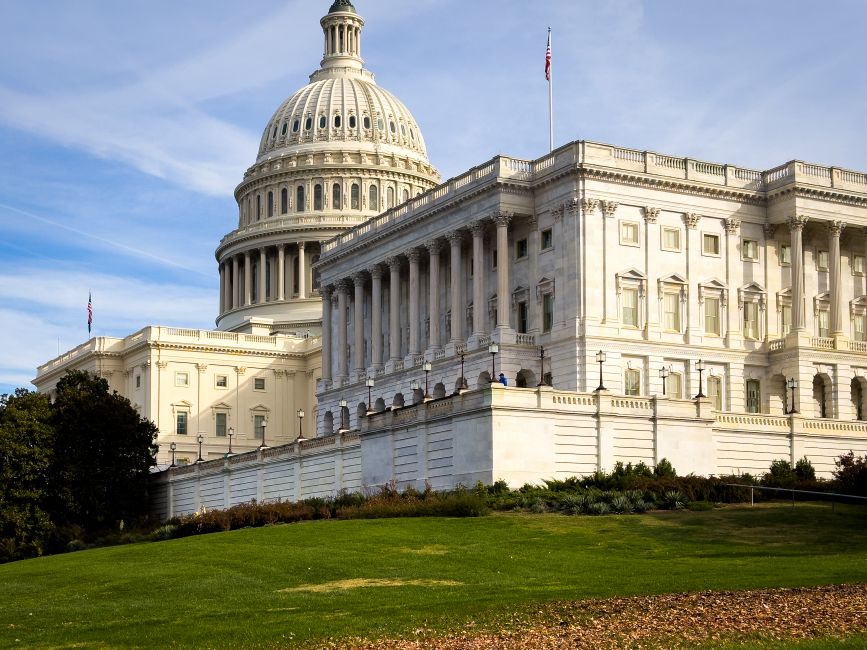
Capital Bikeshare offers a different angle. A 30-minute ride from the Lincoln Memorial along the Potomac waterfront to the Wharf district on Maine Avenue SW costs $1 with a single-ride pass, and the physical concentration demanded by cycling in traffic creates a natural forcing function: most riders simply cannot scroll while pedaling. The National Mall itself, particularly the stretch between the Washington Monument and the Capitol Reflecting Pool, draws thousands of walkers each morning who treat the route as a phone-free ritual, though that adherence is self-imposed and, admittedly, inconsistently practiced.
For something more structured, the George Washington University's Center for Integrative Medicine — located on Pennsylvania Avenue NW — has offered mindfulness-based stress reduction programs since 2018 that explicitly address device dependency. Their eight-week MBSR course, which runs approximately $395 for the full program, includes dedicated instruction on creating phone-free windows at home, particularly in the 90 minutes before sleep and the first 30 minutes after waking. Mental health researchers at the National Institutes of Health campus in Bethesda have separately been studying the cortisol impact of evening blue-light exposure, with preliminary findings reinforcing what most sleep clinicians already recommend: the bedroom should be a no-device zone.
The failure mode for most digital detox attempts is ambition without structure. People announce they're going screen-free for a weekend and last until Saturday afternoon. Behavioral health counselors in the District recommend a narrower initial target: one 90-minute block per evening, between 8:30 and 10:00 p.m., for two weeks before expanding. Put the phone in a different room — not the bedroom, not the kitchen counter where you'll see it — and replace the habit with something tactile. Reading a physical book, cooking, or walking the U Street Corridor or Dupont Circle neighborhood work precisely because they demand presence.
Apps that lock access to social platforms — Freedom and Opal both have free tiers — can enforce the block digitally until the habit calcifies on its own, which most behavioral research suggests takes between 18 and 66 days, not the mythologized 21. Starting this July Fourth weekend, when the social permission to be unavailable is at its annual peak, gives the habit its best structural chance. The Mall fireworks are Saturday night. Leave the phone in your bag. Watch them with your eyes instead of your camera.
Consult a licensed mental health professional or physician in the DC area for personalized guidance on stress and digital wellness.
How does this story make you feel?
Spread the word
About this article
Published by The Daily Washington DC
Daily brief
Free, in your inbox before 7am. Weekdays.
More in Wellness