Building Psychological Resilience with Small Daily Habits: Stress Management Strategies for DC Residents
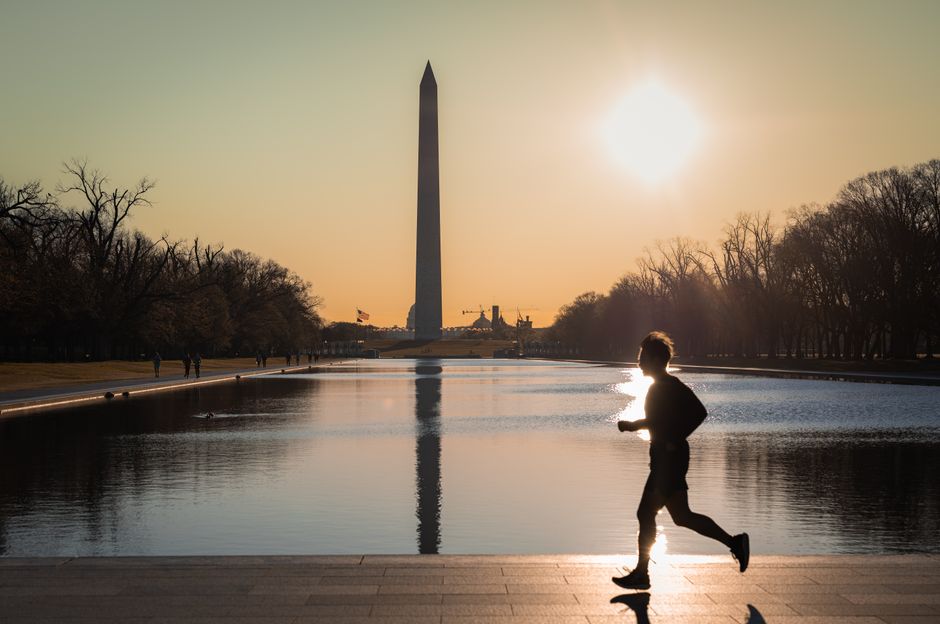
Experts and locals say simple routines—like a ten-minute loop through Rock Creek Park—can help Washingtonians keep life’s pressures in check.
Experts and locals say simple routines—like a ten-minute loop through Rock Creek Park—can help Washingtonians keep life’s pressures in check.
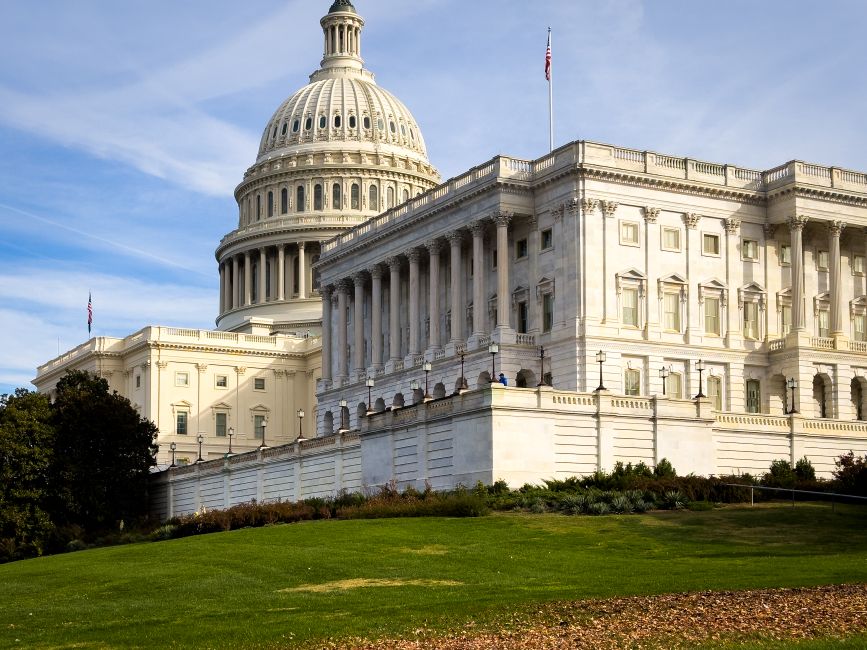
With more than a third of adults reporting heightened stress in the last year, DC mental health advocates are encouraging Washingtonians to turn to small, daily strategies to build psychological resilience this summer. From quiet morning walks on the National Mall to mindful breaks on a crowded Red Line commute, wellness professionals point to the city’s resources for establishing habits that fortify mental health—one manageable step at a time.
Washington is a city that seldom slows down. Election year stresses, policy deadlines, and the city’s notorious summer humidity all weigh on residents. Add in the district’s fast-paced work environment—where nearly one in four residents works more than 50 hours per week, according to the DC Policy Center—and it’s easy to understand why stress levels here remain among the nation’s highest. Building resilience isn’t just a buzzword; for many, it’s an urgent necessity.
Neighborhoods across DC are responding with creative grassroots initiatives. The Georgetown Mindfulness Center on M Street NW runs free 20-minute guided sessions Tuesdays and Thursdays at 8am, offering an early-morning reset for commuters before work. In Northeast, the Brookland neighborhood’s Turkey Thicket Recreation Center hosts a weekly “resilience walk” every Saturday at 9am—rain or shine—where locals can join a guided three-mile stroll and group reflection. Over in Adams Morgan, the DC Public Library’s Mount Pleasant branch recently launched a “micro-habits” challenge. For $5, residents receive a journal and access to group check-ins with wellness facilitators every other Wednesday at 6:30pm.
Local experts point to research that supports the impact of incremental changes. The National Institutes of Health—whose Bethesda campus is just over the city line—published a 2024 brief indicating that adults who reported completing at least one intentional stress reduction habit (such as five minutes of evening stretching or a daily gratitude entry) reported a 19% lower perceived stress score after eight weeks. Capital Bikeshare’s own user survey from spring 2026 found that members who used the service for 10-minute rides at least four times per week reported higher life satisfaction and improved mood, with a striking 67% self-reporting “noticeable positive mental health effects.”
These findings mirror what DC practitioners see on the ground. "The most effective changes are often the smallest," said one social worker from Whitman-Walker Health, who oversees wellness groups in Shaw. "People who build a habit of taking lunch outside in Franklin Square, or journaling before bed, consistently report more resilience when the bigger stressors show up." While these aren’t cures, the evidence suggests regular routines can shore up mental health, making it easier to weather unexpected chaos.
For Washingtonians looking to start small, the city’s public spaces and programs make it easier than ever. Rock Creek Park offers more than 32 miles of trails, and DC Parks and Recreation updates free fitness and meditation classes weekly—check their website or notice boards in Columbia Heights and Navy Yard. Busboys and Poets’ 14th Street location will launch early morning poetry writing hours on Mondays, aimed at creating mindful space before the workday. Capital Bikeshare’s monthly membership starts at $7, enabling impromptu rides along the Tidal Basin or toward the Southwest Waterfront. For those craving structure, DC Health’s online portal provides a directory of support groups, mindfulness workshops, and therapist referrals tailored to ward and neighborhood.
Small habits don’t have to be time-consuming or costly. Residents can start by committing to walking a few Metro stops, using a meditation app like Headspace ($12/month, but free for employees of several DC agencies), or jotting down a single thing they’re grateful for after dinner. As research continues to back up the value of incremental change—and with local institutions lowering barriers to participation—there’s never been a better time for DC residents to build up psychological resilience in the city they call home. For those seeking more personalized guidance, local healthcare professionals recommend checking in with a DC-based mental health provider or support group for tailored advice.
How does this story make you feel?
Spread the word
About this article
Published by The Daily Washington DC
Daily brief
Free, in your inbox before 7am. Weekdays.
More in Wellness