Five Evidence-Based Techniques to Reduce Daily Stress in Washington DC
From hidden green spaces to scientific breathing exercises, here are the best strategies—backed by research and rooted in DC life—to keep stress in check.
From hidden green spaces to scientific breathing exercises, here are the best strategies—backed by research and rooted in DC life—to keep stress in check.
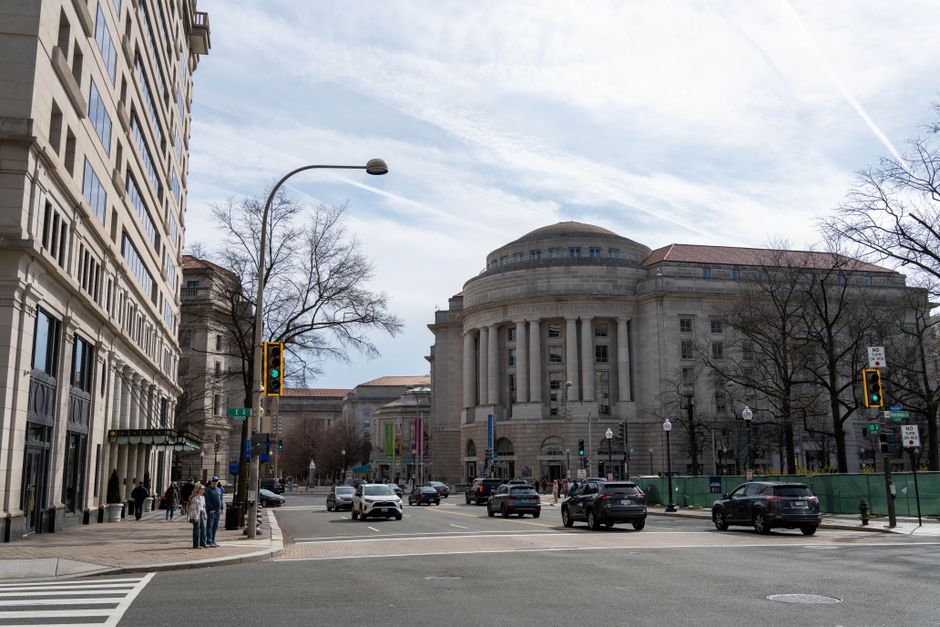
Washingtonians face more pressure than ever, with a 2025 report from the American Psychological Association showing that 67% of DC-area adults cited daily stress as impacting their mental health. From endless emails to Metro delays, stress has become a health issue that no one in the city can afford to ignore.
The grind never really stops for most in the District, which hosts the highest concentration of knowledge workers outside Silicon Valley. Events like the 2024 pandemic hangover, election-year deadlines, and ongoing disruptions to routine—think unpredictable weather flooding Franklin Park or extended construction on K Street—are keeping local stress levels elevated. Mental health providers at George Washington University Hospital say appointment requests for stress-related concerns have increased by nearly 30% since 2022.
But DC also offers a unique landscape to help residents recover balance. Local organizations and green spaces—such as Rock Creek Park and the guided mindfulness sessions at the National Gallery of Art—provide resources for practical, evidence-based stress relief. Capital Bikeshare, for example, has made its $8 single-day pass an affordable way for residents to cycle away tension, while the DC Public Library system runs free meditation workshops monthly at the Martin Luther King Jr. Memorial Library on G St NW.
1. Structured Breathing Exercises. Multiple studies, including one published in the journal Frontiers in Human Neuroscience, confirm that slow, deep belly breathing can lower cortisol levels and heart rate. The Smithsonian Institution offers free audio-guided breath sessions that residents can download for use during lunch breaks on the National Mall—just scan a QR code near the Capitol Reflecting Pool.
2. Regular Movement Outdoors. Exercise is a proven antidote to anxiety and stress. According to the Centers for Disease Control and Prevention, just 150 minutes per week of brisk walking—about 20 minutes a day—has measurable benefits for mood. Rock Creek Park’s 32-mile network of trails offers city dwellers free access to shaded runs or contemplative walks away from city noise, and the Rock Creek Park Nature Center routinely sees weekend foot traffic jump by 18% during high-stress periods like tax season.
3. Social Support Networks. A 2023 Georgetown University survey found that DC residents who regularly met with friends or joined local clubs reported notably lower stress scores. The Dupont Circle Wellness Cooperative hosts evening meetups (entry: $12) focused on mutual aid and mental wellness. Meanwhile, Capitol Hill’s Stitch & Share group—free to join—combines crafting with conversation every Tuesday at Northeast Library on 7th St NE.
4. Mindfulness and Meditation. Mindfulness practices have grown sharply in popularity across the city, reflected in Potomac River Meditation’s waitlist (now up to 90 days for new clients). For a free alternative, every Saturday at 10 a.m., the National Gallery of Art runs 45-minute guided mindfulness sessions in the East Building atrium—perfect for a calming start to the weekend.
5. Limits on Digital Overload. Mounting evidence points to screen time as a predictor of stress and poor sleep. The DC Department of Behavioral Health recommends a 30-minute digital detox nightly; the popular Anacostia Arts Center now hosts tech-free evenings every first Friday (admission $6), where phones are checked at the door and everything from poetry readings to board games take center stage.
No one strategy is a silver bullet, and even small steps can make a difference. Local mental health professionals collaborate with primary care providers through MedStar Washington Hospital Center’s Integrated Behavioral Health program—visits average just $45 with insurance—for tailored support. In a city that pushes residents to perform at their best, carving out daily rituals for movement, connection, and quiet can transform stress from a silent adversary into a manageable part of urban life.
For more information about city-run programs or to find locally certified therapists, visit dbh.dc.gov or check your neighborhood library’s community board. As summer crowds fill the monuments and parks, taking even a few minutes each day for structured breathing or digital downtime could be a lifeline—one right outside your front door.
How does this story make you feel?
Spread the word
About this article
Published by The Daily Washington DC
Daily brief
Free, in your inbox before 7am. Weekdays.
More in Wellness


