Digital Detox: Setting Phone-Free Hours That Actually Work
Washingtonians are embracing practical strategies for carving out phone-free time, turning off alerts—and stress—by tuning in to real life.
Washingtonians are embracing practical strategies for carving out phone-free time, turning off alerts—and stress—by tuning in to real life.
On a recent Friday evening, dozens of locals gathered at Meridian Hill Park to take part in a new 'Unplugged Hour'—a city-led initiative encouraging residents to turn off their phones between 6 and 7 p.m. The message was clear: stepping away from screens is becoming a D.C. wellness ritual, not just a passing fad.
The past two years have seen anxiety and burnout surge in Washington, driven by relentless news cycles, work-from-home demands, and near-constant digital distractions. DC Health reports a notable uptick in stress-related complaints, with more than 23% of residents surveyed in 2025 listing "technology overload" as a top source of daily stress. Mental health advocates say that while our phones keep us connected, they also keep us on edge.
This summer, local experts warn, Washingtonians are spending an average of 6.5 hours a day on their devices, according to figures from the District's Office of the Chief Technology Officer. Add in the city’s high-octane professional culture, and digital overload can feel inescapable. "After a full day of pings and notifications, people need a conscious break," said one program coordinator with Mindful D.C., a nonprofit based on 14th Street NW that has started hosting weekly device-free meetups at Rock Creek Park.
Efforts to reclaim peaceful tech-free time are spreading. Rock Creek Park now offers guided silent walks every Sunday morning, where participants stash phones in a designated lockbox at the Nature Center on Glover Road. Across town, Yoga District’s H Street NE studio signals the start of each class by asking attendees to deposit devices in a basket by the door—a small but symbolic reset that keeps screens out of sight and minds on the mat.
Technology break programs are also being piloted in corporate settings. At Smithsonian offices bordering the National Mall, several departments now observe "Focus Hours," where Slack and email are muted between 2 and 3 p.m. While initially met with skepticism, HR teams have logged a 16% drop in stress-leave requests since last fall, according to Smithsonian Institution HR data.
Medical evidence supports the shift. The National Institutes of Health, headquartered in Bethesda just outside the city, released a study this April indicating that even one hour away from mobile devices each evening lowers cortisol levels by an average of 11% in trial participants. That aligns with self-reports from local wellness programs; Mindful D.C. says nearly three-quarters of their participants notice improved sleep and reduced anxiety after setting regular, predictable phone-free intervals.
Cost need not be a barrier. Most city-run programs, such as the Rock Creek Park silent walks or Capital Bikeshare’s "digital detox tours," are free or included in the standard $8 single-day bikeshare pass. Local therapists and group leaders emphasize that there’s no magic window: what matters most is consistency, not perfection.
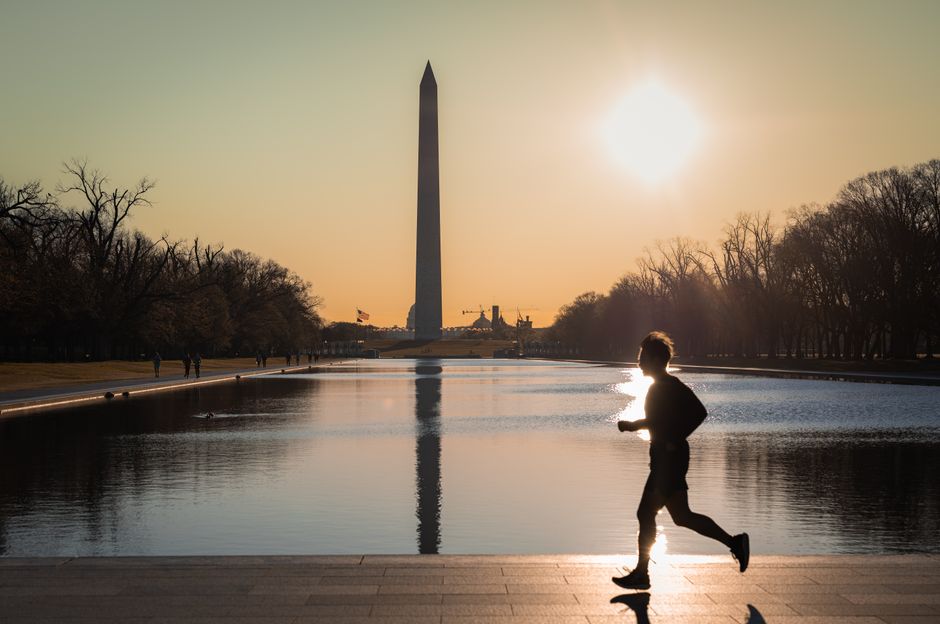
Residents are creatively weaving phone-free routines into city life—whether opting for an "analog coffee" at The Potter’s House in Adams Morgan (where tabletop lockboxes hold phones) or joining device-free running groups meeting on the National Mall at sunrise. Even a once-a-week hour can plant seeds for a calmer, more centered week ahead.
Those looking to start their own digital detox can begin simply. Local clinical guidelines recommend setting a recurring reminder to silence and stow away devices for a short, daily block—say, during dinner on evenings at home, or while reading in Dupont Circle. For many in the District, finding respite from the digital buzz isn’t just possible—it’s a step toward real health, one phone-free hour at a time.
How does this story make you feel?
Spread the word
About this article
Published by The Daily Washington DC
Daily brief
Free, in your inbox before 7am. Weekdays.
More in Wellness