Five Evidence-Based Techniques to Reduce Daily Stress in DC
Local experts say practical, proven tools can help Washingtonians manage urban stress—without leaving the District.
Local experts say practical, proven tools can help Washingtonians manage urban stress—without leaving the District.
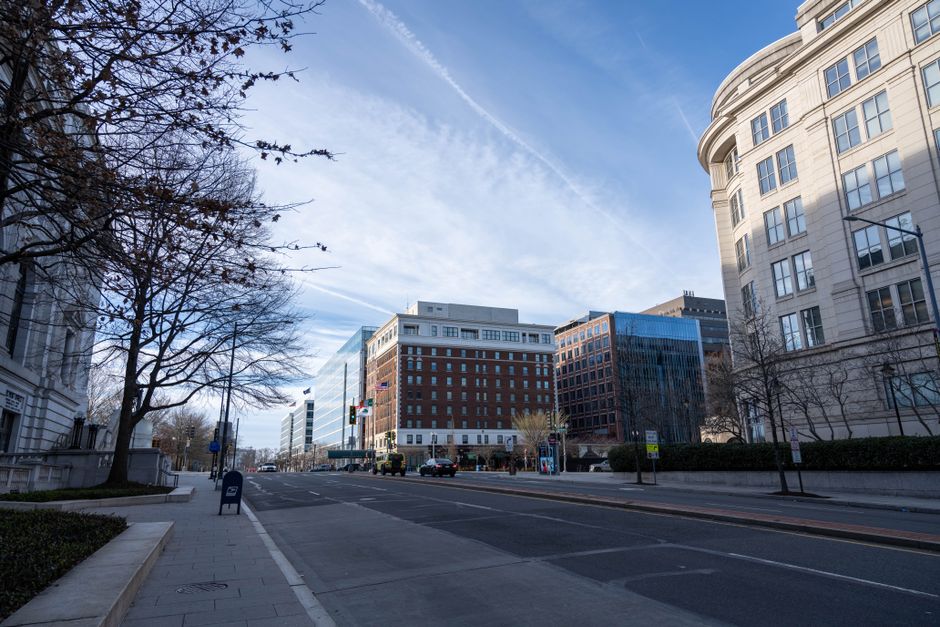
The constant clatter of Metro trains, crowded bike lanes along 14th Street NW, and perpetual push notifications can turn an ordinary day in Washington DC into a stress marathon. But a growing body of research points to simple, science-supported methods to bring relief—even for those navigating the pressure-cooker rhythm of the capital.
Mental health concerns remain front and center as Washingtonians contend with rising living costs, career demands, and a post-pandemic world that rarely seems to pause. Calls to the DC Department of Behavioral Health’s hotline increased by 21% in 2025 compared to pre-pandemic levels, highlighting the urgent need for everyday strategies to keep stress manageable. “People are asking for tools they can actually use in their routines,” says a staffer at Whitman-Walker Health, one of the city’s best-known clinics for counseling services.
1. Forest Bathing in Rock Creek Park: Studies show that spending at least 20 minutes immersed in nature can lower cortisol—the primary stress hormone—by as much as 16%. Locals swear by early strolls along Rock Creek Park’s Piney Branch Trail or the wooded paths near Peirce Mill. The National Park Service maintains more than 32 miles of hiking trails here, offering a perfect weekly escape without leaving Northwest DC.
2. Mindfulness Meditation at the Hirshhorn: Research from Georgetown University’s Department of Psychiatry found that mindfulness-based stress reduction (MBSR) led to a 43% reduction in generalized anxiety symptoms during a recent citywide pilot. Free meditation sessions offered every Thursday at the Hirshhorn Museum’s sculpture garden, just off Independence Avenue SW, make evidence-based mindfulness accessible to anyone needing midday calm.
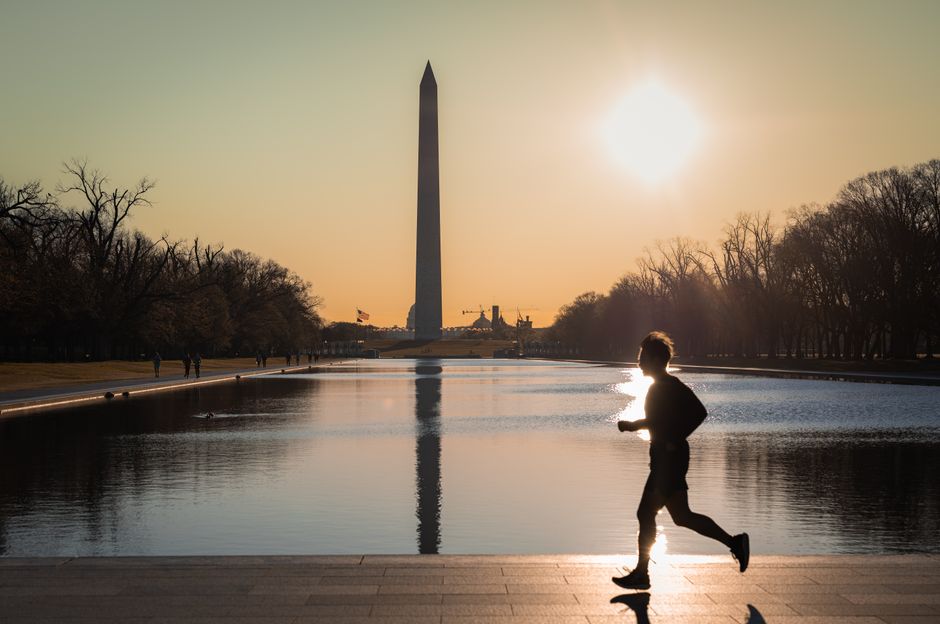
3. Rhythmic Movement on the Mall: Vigorous activity isn’t the only route to mental clarity. Data from the DC Running Club shows walkers and joggers using the National Mall’s 2-mile loop reported improvements in mood and focus after just 15 minutes of brisk movement. For those not ready to join, Capital Bikeshare offers $1 single rides—making a few pedal-powered laps around Constitution Gardens a low-commitment way to decompress.
4. Structured Social Connections: Loneliness is a risk factor for chronic stress, but DC’s library system is quietly addressing this challenge. The Southeast Neighborhood Library hosts weekly journaling circles ($20 drop-in), while Shaw’s Busboys and Poets runs poetry open mics Tuesdays for $5. Social programs like these, experts find, help reduce isolation and foster resilience—two pillars of sustainable stress management.
5. Controlled Breathing Techniques: Evidence from the National Institutes of Health indicates that slow breathing exercises—specifically, inhaling for four seconds and exhaling for six—can reduce heart rate and blood pressure within minutes. Medstar Georgetown University Hospital offers free virtual workshops (registration required) for anyone wanting to practice guided breathing from home, a resource still going strong after pandemic demand spiked.
Though DC’s endless events and deadlines can ratchet up the pressure, building stress relief into the daily routine does not require expensive memberships or rarefied therapies. Local experts urge residents to make use of the city’s public spaces, community programs, and low-cost wellness opportunities. For more information or support, the Department of Behavioral Health’s helpline (1-888-793-4357) is open year-round and connects thousands of Washingtonians each month to mental health resources, regardless of income or insurance status.
Those searching for a personalized stress management plan should consult with local health professionals or drop by one of the District’s free wellness events, such as the biweekly outdoor yoga classes at Yards Park. Small changes—like a lunchtime walk, five minutes of breathing exercises, or setting aside one evening for a library event—can add up. In DC, even the smallest investment in wellbeing offers a valuable buffer against city stress.
How does this story make you feel?
Spread the word
About this article
Published by The Daily Washington DC
Daily brief
Free, in your inbox before 7am. Weekdays.
More in Wellness