wellness
Social Connection as Medicine: The Loneliness Epidemic in Washington DC
As research ties loneliness to rising health risks, DC residents are finding community-driven solutions in parks, co-ops, and bike shares.
How we reported this
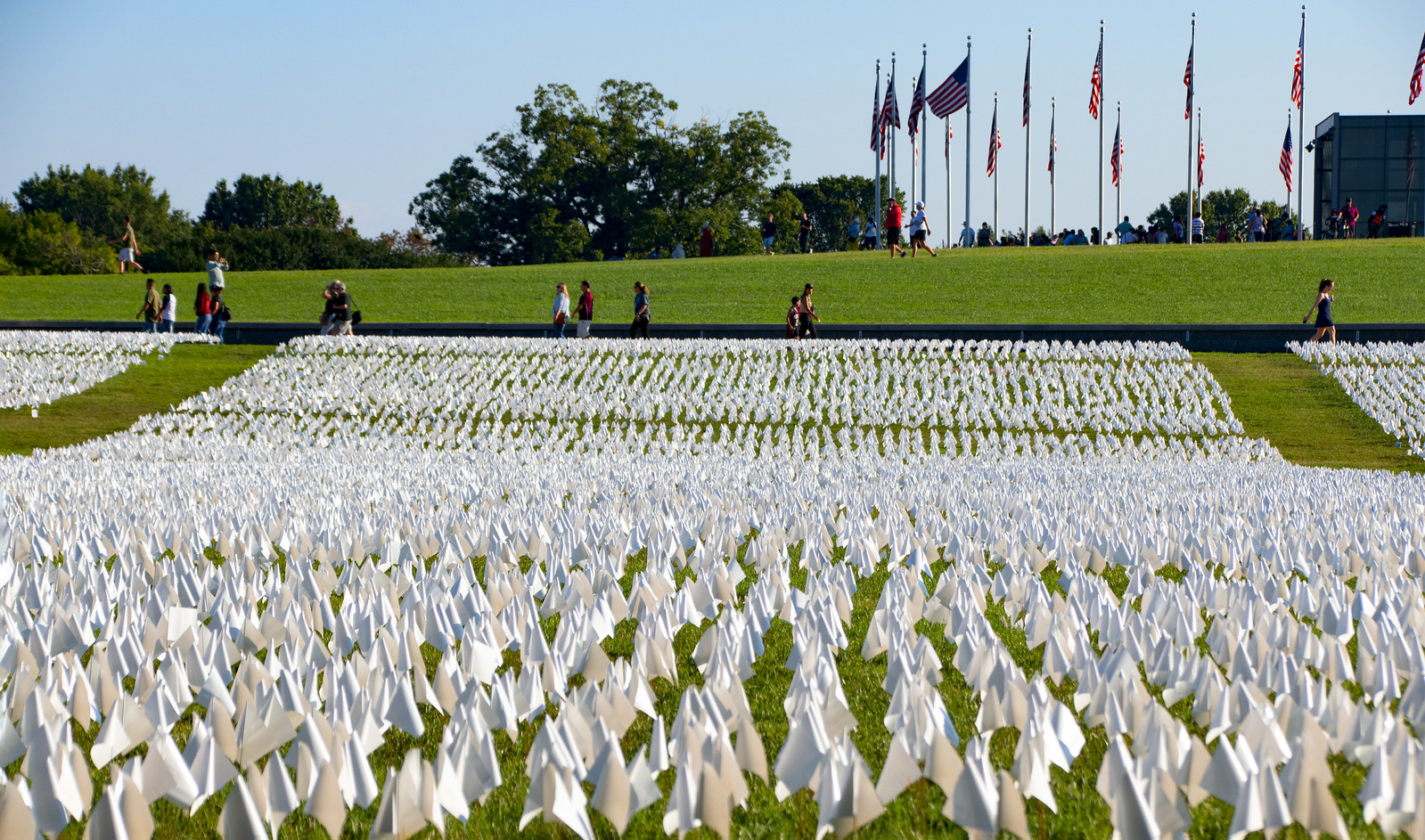
Washington DC’s sense of community is under strain. A recent report from the U.S. Surgeon General ranked loneliness and isolation as a public health crisis on par with smoking, drawing sharp attention to the capital’s own challenges with connection. For thousands of Washingtonians, forming and maintaining social bonds is now more than an emotional need, it’s a direct contributor to their physical and mental health.
A Hidden Epidemic with Real-World Consequences
The issue has taken on new urgency this summer as the District sees rising numbers of residents living alone in neighborhoods such as Columbia Heights and Navy Yard. Social scientists warn that persistent isolation can elevate the risk of heart disease, stroke, and depression. The need for accessible social support is especially acute for people in high-pressure professional sectors and transient populations-a demographic DC knows well.
Local initiatives are stepping in. Rock Creek Park has seen attendance swell since 2025, as informal running clubs and meditation groups make inclusive use of its wooded trails. The longstanding DC Fray, a social sports league, runs kickball and volleyball games on the National Mall, actively prioritizing newcomers and solo sign-ups. Meanwhile, Capital Bikeshare, operating over 700 docking stations citywide, has hosted free 'social rides' culminating at Dupont Circle farmers’ market. Dr. Andrea Bonior, a licensed psychologist in the District, has publicly highlighted the therapeutic impact of showing up in person, even for casual interactions at these local venues.
The Numbers Behind the Need
The U.S. Surgeon General’s 2023 advisory called loneliness an “epidemic,” citing that nearly one in two adults reported feeling lonely, a figure reflected in local surveys by DC Health. The National Institutes of Health, headquartered in Bethesda, is funding multiple research projects into the links between chronic social isolation and elevated mortality risk, studies have shown that lacking social connection can increase risk of premature death by 29%. According to the DC Fiscal Policy Institute, single-person households account for more than 40% of addresses in some downtown zip codes, underscoring the scale of the challenge.
Social connection has real costs and benefits in Washington. DC yoga studios such as Yoga District on 14th Street now offer sliding-scale pricing and community classes to foster accessible gathering spaces. At Busboys and Poets in Brookland, open-mic nights and book clubs routinely draw dozens, often with no cover charge. Yet advocates stress that even small, free gatherings-group trail maintenance, public concerts at Meridian Hill Park-can have an outsized impact for residents feeling disconnected.
For individuals and neighborhoods across Washington DC, the takeaway is clear: reaching out matters. Experts recommend joining recurring group activities-whether it’s joining the Saturday run on Piney Branch Parkway or signing up for a Capital Bikeshare group ride. Regular volunteer shifts at Bread for the City in Shaw or attending Sunday drum circles at Meridian Hill can also foster bonds. DC Health’s public mental health resources, including a 24/7 hotline at 1-888-793-4357, remain available for those in need of guidance. For Washingtonians, community isn’t just a source of belonging-it’s potent medicine in the fight against urban loneliness.