The world, explained for Australia.

The World
Most countries hold a large portion of their savings in a currency that is not their own, and for most of them, that currency is the US dollar.
By The Daily World · 7 February 2026
The World
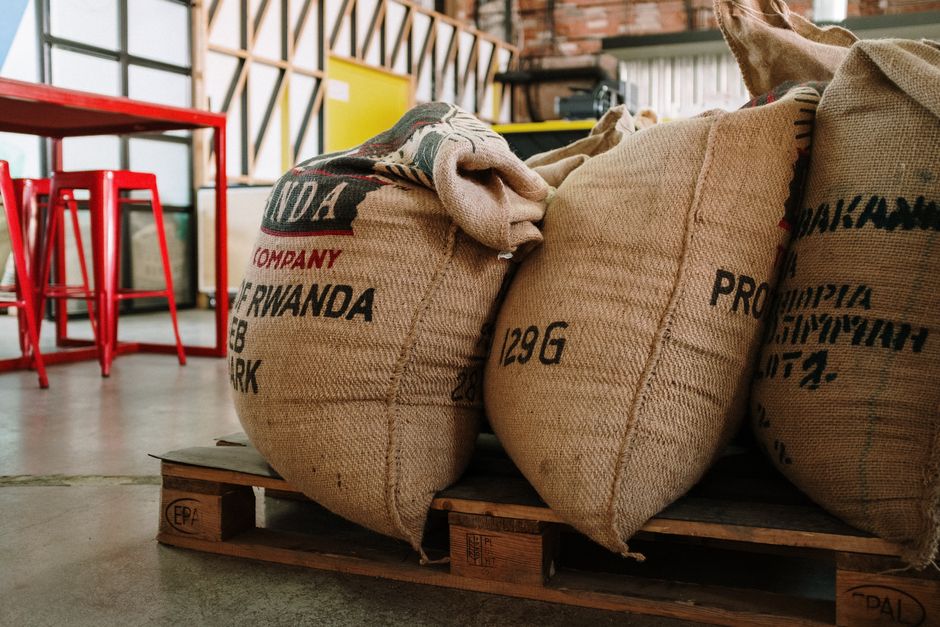
Coffee travels through more hands, more borders, and more stages of transformation than almost any other everyday product, and the economics of that journey determine who profits and who struggles.
By The Daily World · 5 February 2026
The World
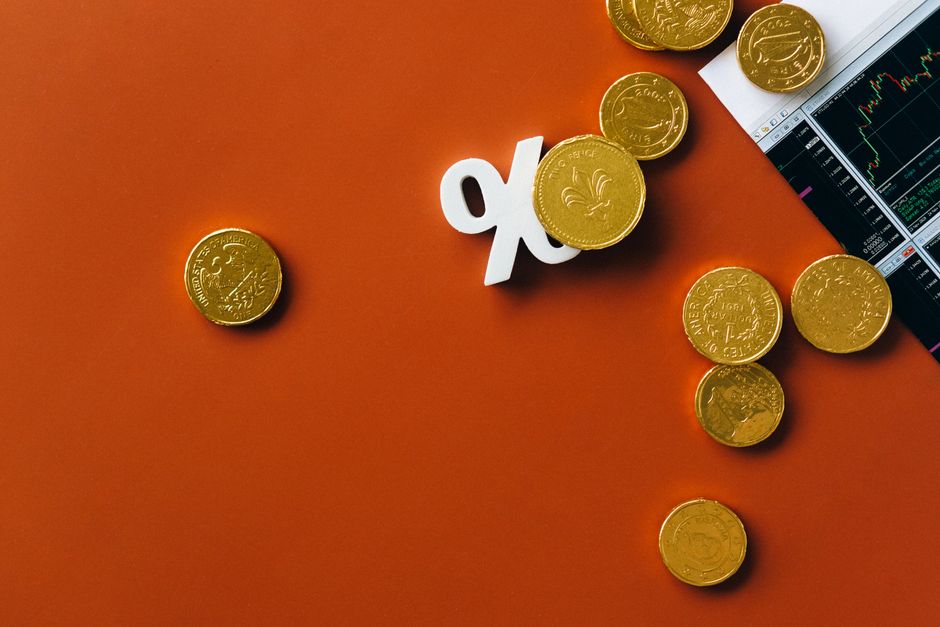
Central banks raising rates in Washington and Frankfurt can make groceries more expensive in Australia, through a chain of effects that is less obvious than it first appears.
By The Daily World · 3 February 2026

The World
The American presidential election is not a single national vote but a sequence of overlapping processes that can, and sometimes does, produce a winner who received fewer total votes than the loser.
By The Daily World · 1 February 2026

The World
Getting a vaccine from a laboratory to an arm on the other side of the world involves a chain of manufacturing, cold storage, and logistics that most people never see.
By The Daily World · 30 January 2026

The World
Governments and companies now buy and sell the right to emit carbon dioxide, creating a market designed to make pollution expensive enough to stop.
By The Daily World · 28 January 2026
The World
The most strategically important manufactured objects on Earth are smaller than a fingernail, and most of the world depends on a handful of factories to make them.
By The Daily World · 26 January 2026
The World
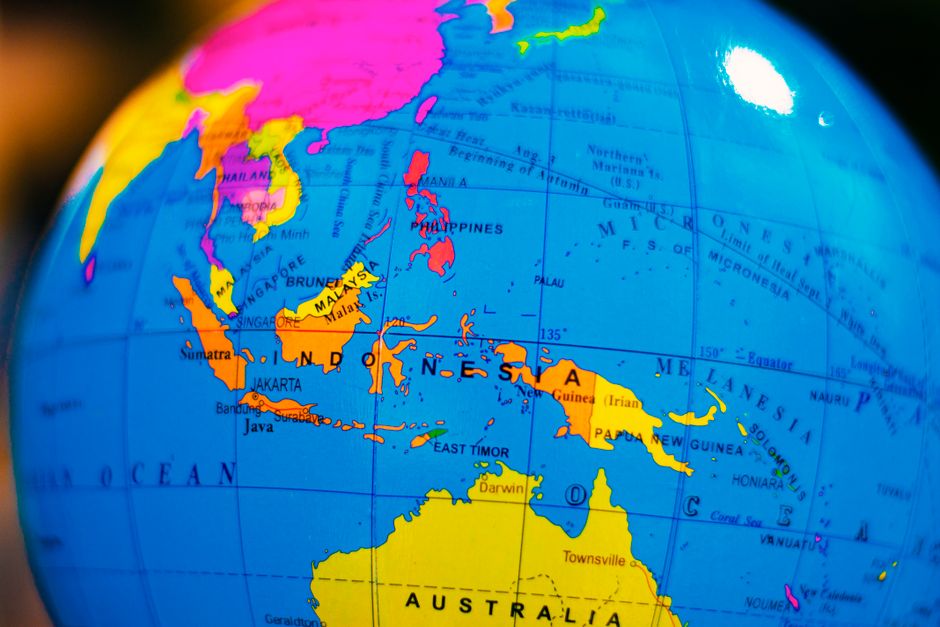
The term 'Indo-Pacific' did not appear in official policy a generation ago. Now it is the central organising concept of global strategy, and Australia is at its heart.
By The Daily World · 24 January 2026
The World
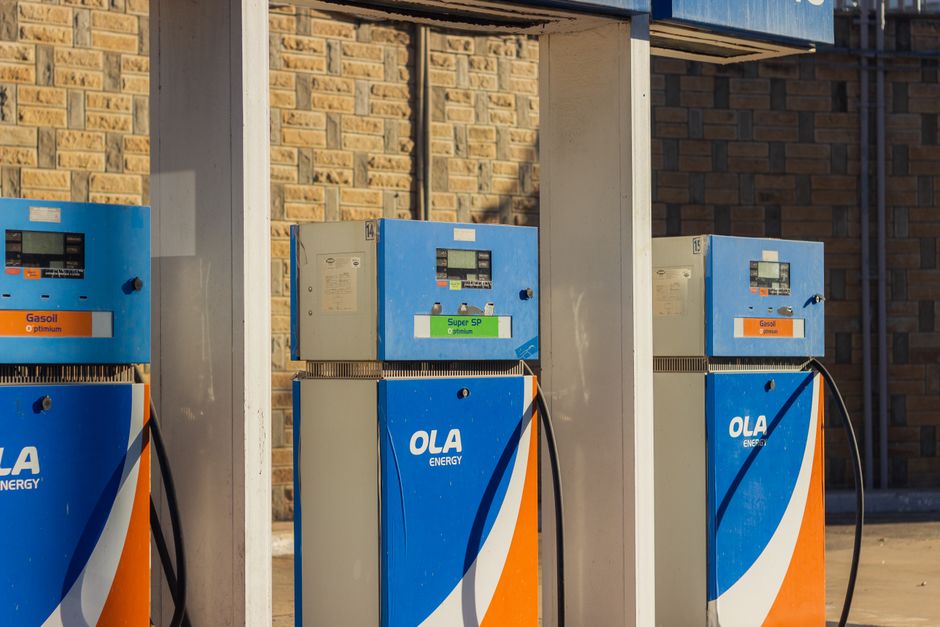
A group of oil-producing nations meets a few times a year and decides, between them, how much crude oil the world gets to buy.
By The Daily World · 22 January 2026
The World
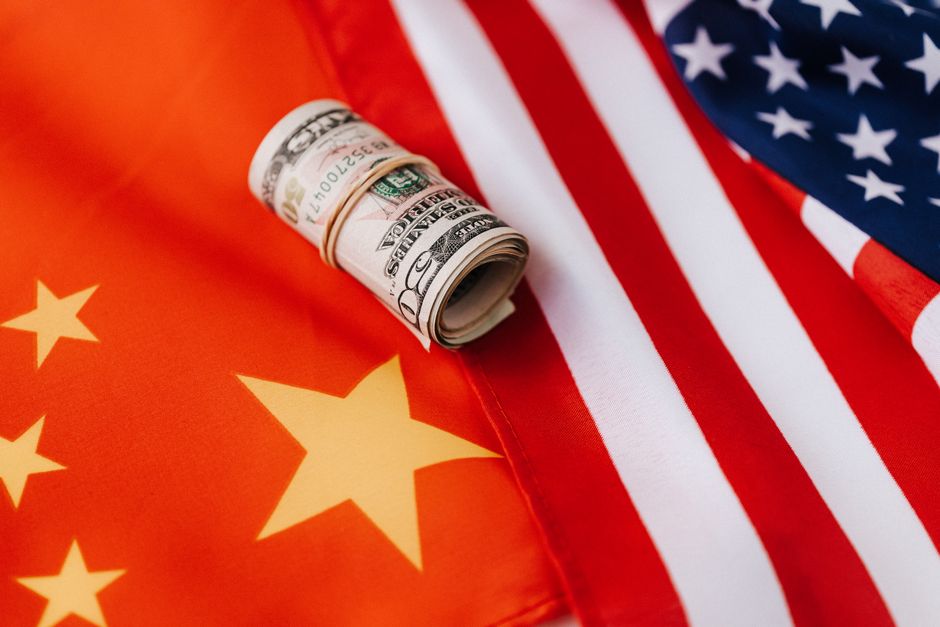
No other country shapes Australia's economic fortunes as directly as China, and understanding why reveals how exposed the Australian economy really is.
By The Daily World · 20 January 2026
The World
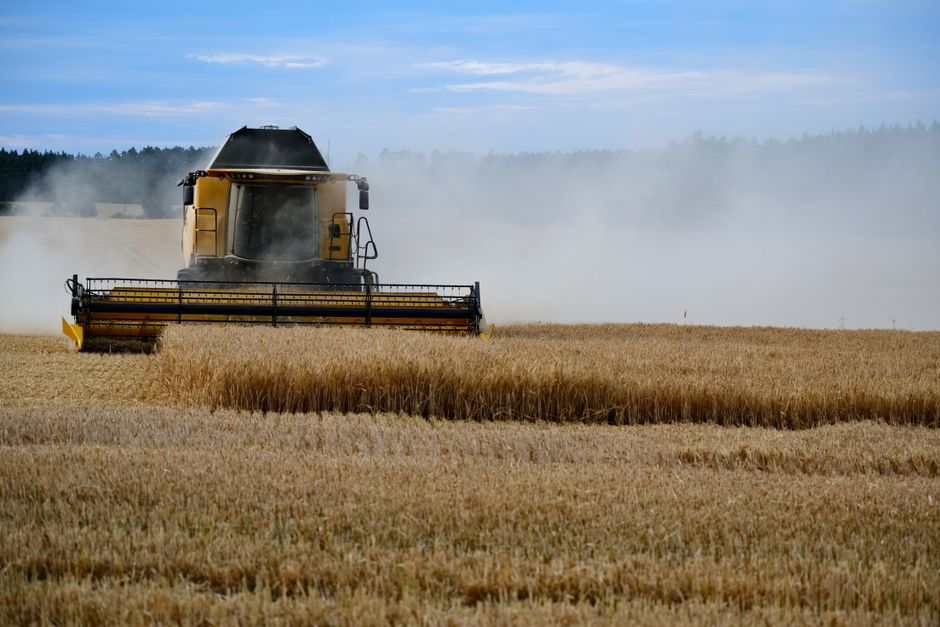
Wheat is one of the most traded commodities on Earth, and the price set in Chicago or on the Black Sea coast turns up, months later, in what Australians pay for bread and pasta.
By The Daily World · 17 January 2026

The World
The Australian dollar rises and falls for reasons that are partly domestic and partly global, and the direction it moves determines a surprising amount about everyday prices.
By The Daily World · 15 January 2026

The World
The EU is not a country, but it is far more than a trade club: understanding what it actually is explains a great deal about how Europe makes decisions and why those decisions affect Australia.
By The Daily World · 13 January 2026
The World
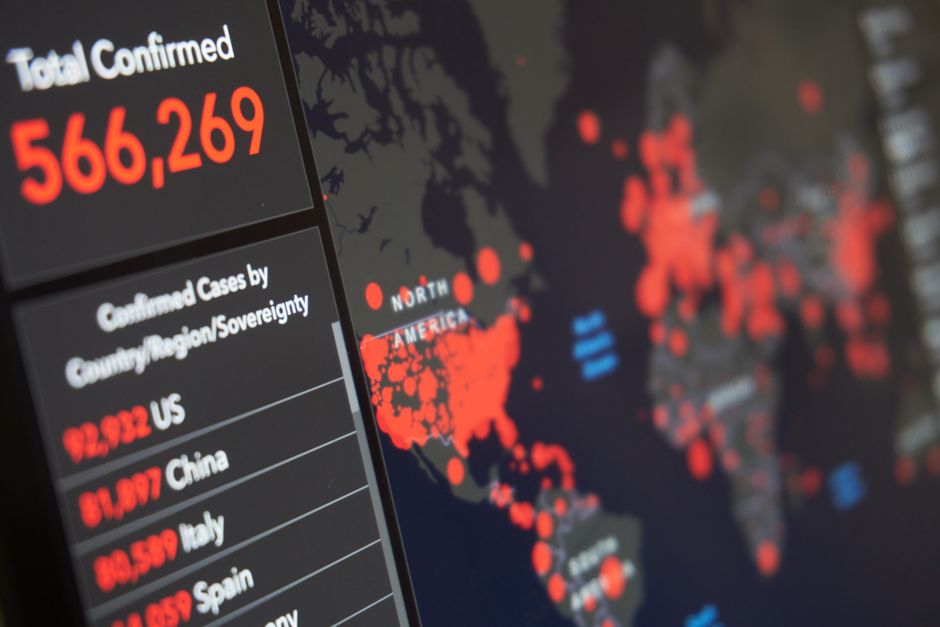
The jump from local outbreak to global pandemic follows a recognisable pattern, and the systems designed to catch it early are better than they were, though still imperfect.
By The Daily World · 10 January 2026
The World
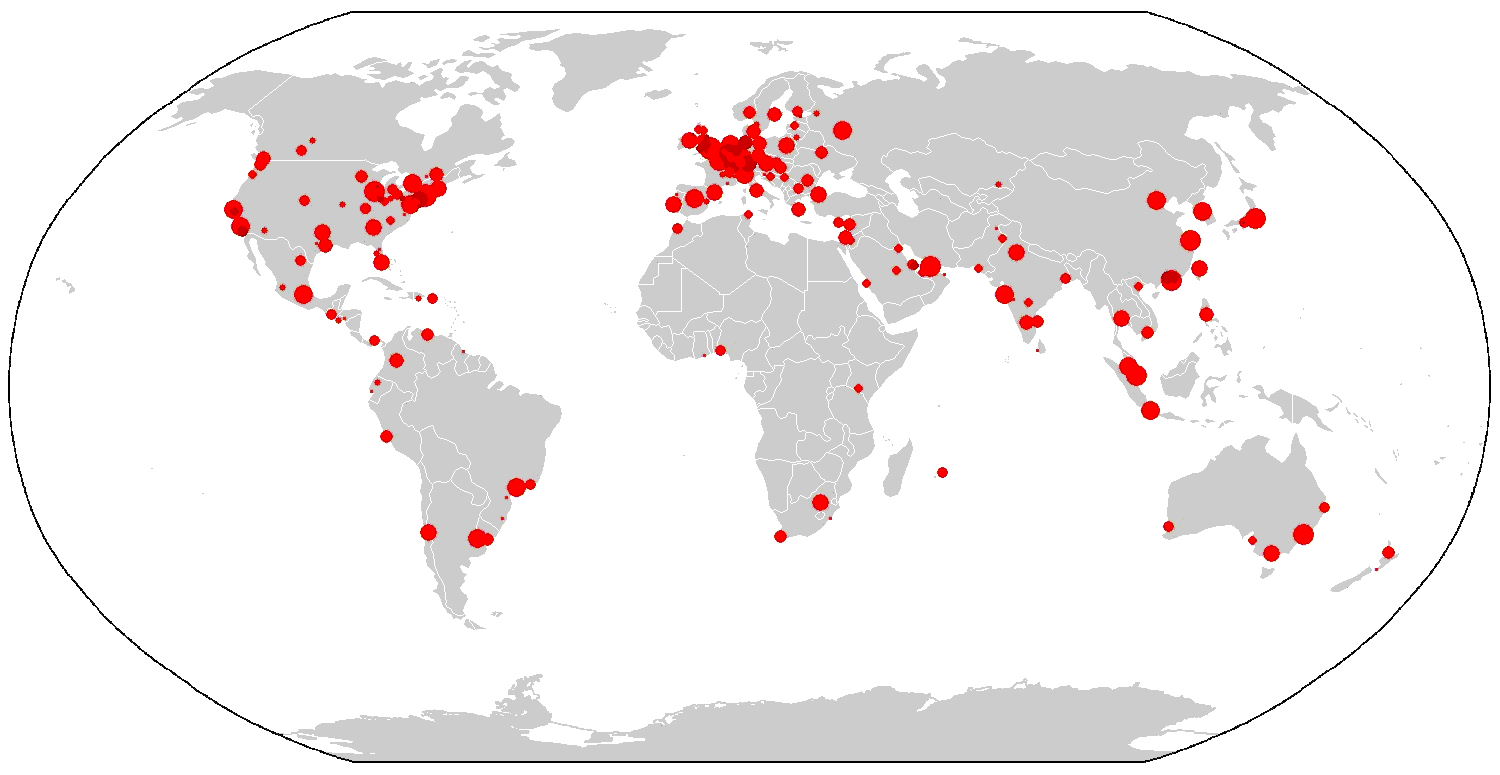
The Paris Agreement is the closest the world has come to a shared climate contract, but how it works, and what it does not require, is widely misunderstood.
By The Daily World · 8 January 2026

The World
AI is moving from a research curiosity to an infrastructure technology, and the economic shifts it is triggering will play out over decades.
By The Daily World · 6 January 2026

The World
The North Atlantic Treaty Organization was built to deter a specific threat in a divided Europe, but it has outlasted that world and remains the most powerful military alliance ever formed.
By The Daily World · 4 January 2026
The World
Lithium is the element at the heart of rechargeable batteries, and the countries that control its supply are shaping the energy transition and global geopolitics.
By The Daily World · 2 January 2026
The World
When the world's most powerful central bank moves its benchmark rate, Australian borrowers eventually feel it, even though Washington has no authority over the Reserve Bank of Australia.
By The Daily World · 31 December 2025
The World
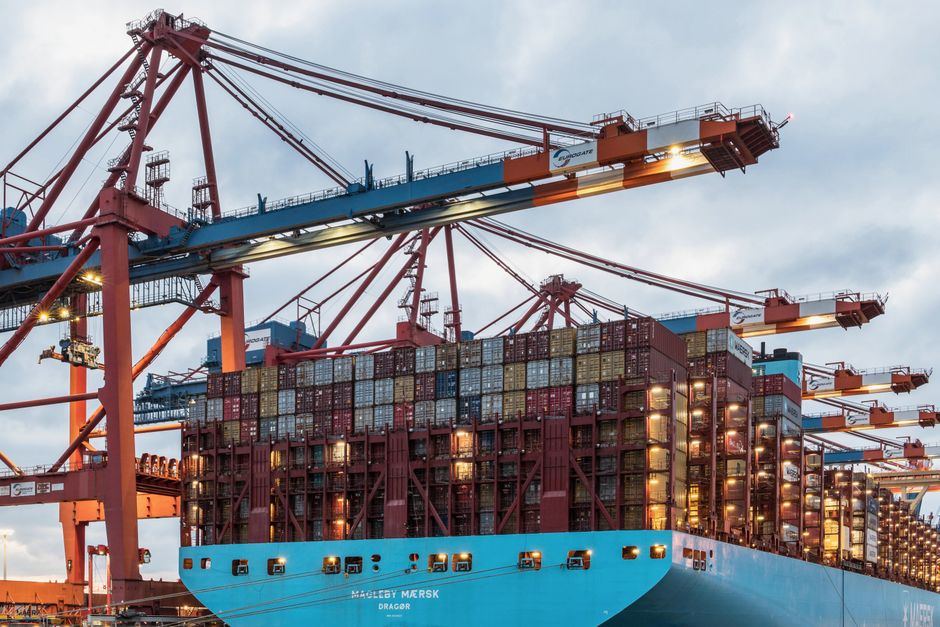
A handful of narrow waterways control the flow of the goods that fill supermarket shelves worldwide, and when they seize up, prices move fast.
By The Daily World · 29 December 2025