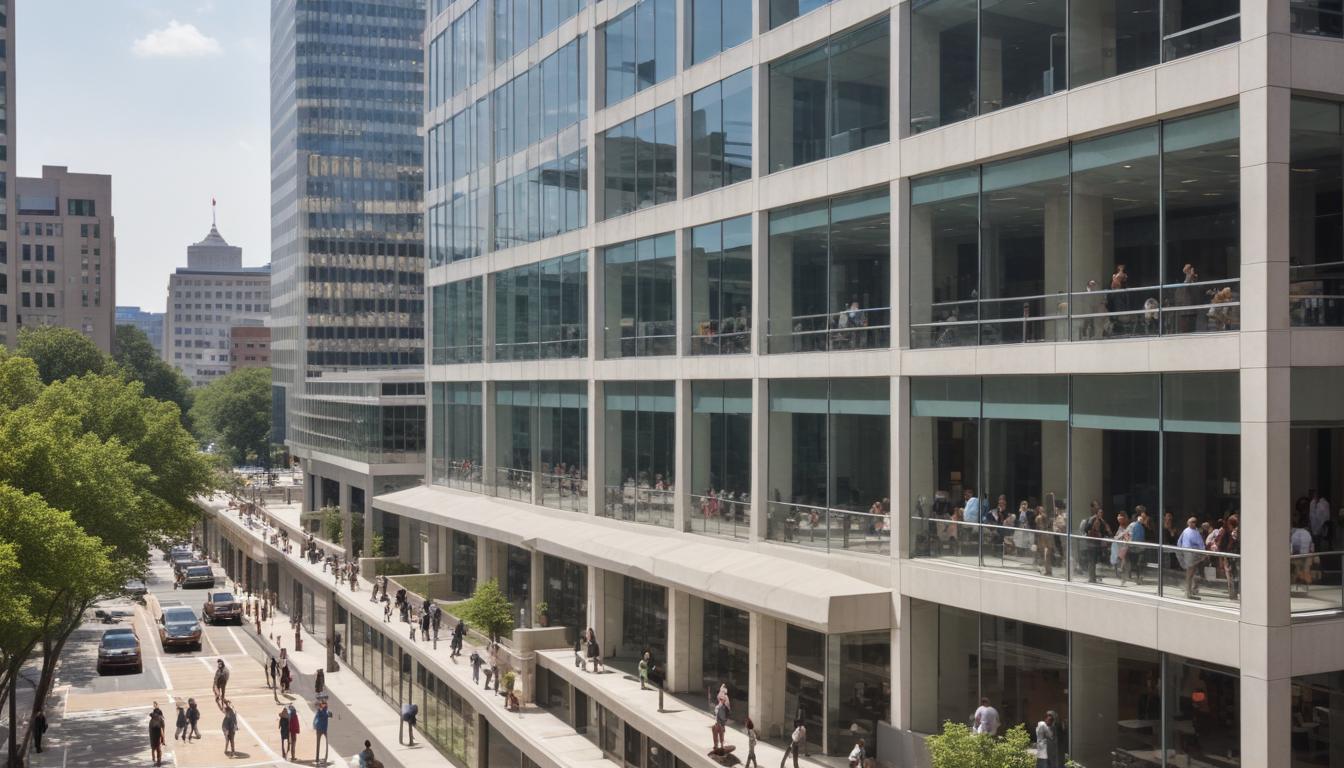
What the Fed's Next Move Means for Your DC Mortgage and Investment Portfolio
Understanding capital flows and inflation signals helps Washington homebuyers and investors navigate a shifting economic landscape.
Understanding capital flows and inflation signals helps Washington homebuyers and investors navigate a shifting economic landscape.
With commercial real estate values fluctuating across NoMa and Capitol Hill, and mortgage rates hovering near 6.8 percent, savvy Washington investors are parsing economic indicators with fresh urgency. The relationship between Federal Reserve policy, bond yields, and local housing costs reveals how global capital flows directly impact your wallet.
The Fed's inflation trajectory matters more than ever. Recent PCE data—the Fed's preferred inflation gauge—showed core prices rising at 2.4 percent annually, just above the central bank's 2 percent target. This seemingly technical detail has cascading effects. When inflation expectations rise, bond yields climb, pushing mortgage rates higher. A homebuyer considering a $750,000 townhouse in Dupont Circle faces meaningfully different monthly payments depending on where rates settle.
Investment flows tell an equally important story. Foreign capital inflows into U.S. Treasury bonds have softened this year, with international investors rotating toward higher-yielding alternatives abroad. This shift puts pressure on bond prices and raises long-term borrowing costs. For DC-area developers eyeing mixed-use projects along the H Street Corridor or near Union Market, construction financing becomes costlier and riskier.
The yield curve—the spread between short-term and long-term interest rates—offers another crucial signal. When it flattens, it suggests economic uncertainty. Investment banks and hedge funds, concentrated in downtown DC office towers, adjust portfolio allocations accordingly. Commercial real estate, which already faces headwinds from remote work trends, becomes less attractive to institutional investors when economic signals muddy.
Corporate earnings growth remains resilient, however. Tech companies headquartered or operating regional offices in the Rosslyn area of Arlington have reported solid revenue growth, supporting equity market valuations and boosting investor confidence. This selective strength means capital isn't fleeing U.S. markets entirely—it's simply becoming more selective about where it lands.
For everyday Washingtonians, the implications are concrete. Rental markets in neighborhoods like Shaw and Anacostia reflect tight credit conditions; landlords pass higher financing costs to tenants. Conversely, older savings accounts earning sub-1 percent returns make high-yield savings accounts—currently offering 4.5 to 5.2 percent—increasingly attractive to savers managing household finances.
The bottom line: economic indicators aren't abstract. Fed policy shapes whether a young professional can afford a condo near Metro Center. International capital flows determine whether developers break ground on new office buildings. By tracking these signals—inflation data, Fed commentary, Treasury yields, and corporate earnings—DC investors and residents gain clarity on where the economy heads next and what that means for their financial decisions.
This article was compiled by AI from the sources linked above and screened before publishing. See our editorial standards.
How does this story make you feel?
Spread the word
About this article
Published by The Daily Washington DC
Daily brief
Free, in your inbox before 7am. Weekdays.
More in Business