DC's Job Market Sends Mixed Signals as Federal Spending Shifts Shape Investment Flows
Understanding what rising vacancy rates and sector-specific hiring patterns reveal about the capital's economic health.
Understanding what rising vacancy rates and sector-specific hiring patterns reveal about the capital's economic health.
Washington DC's employment landscape is entering a transitional phase, with economic indicators painting a nuanced picture of opportunity and uncertainty that locals and business leaders are still learning to read.
The most recent data shows the District's unemployment rate holding steady at 4.2 percent through May, slightly above the national average of 3.8 percent. While this suggests relative stability, beneath the surface, the composition of job growth tells a more complex story. Federal contracting, which has historically anchored DC's economy, is experiencing significant reallocation as budget priorities shift. This is reshaping hiring patterns across K Street lobbying firms, Arlington's defense contractor corridor, and traditional consulting hubs in downtown Washington.
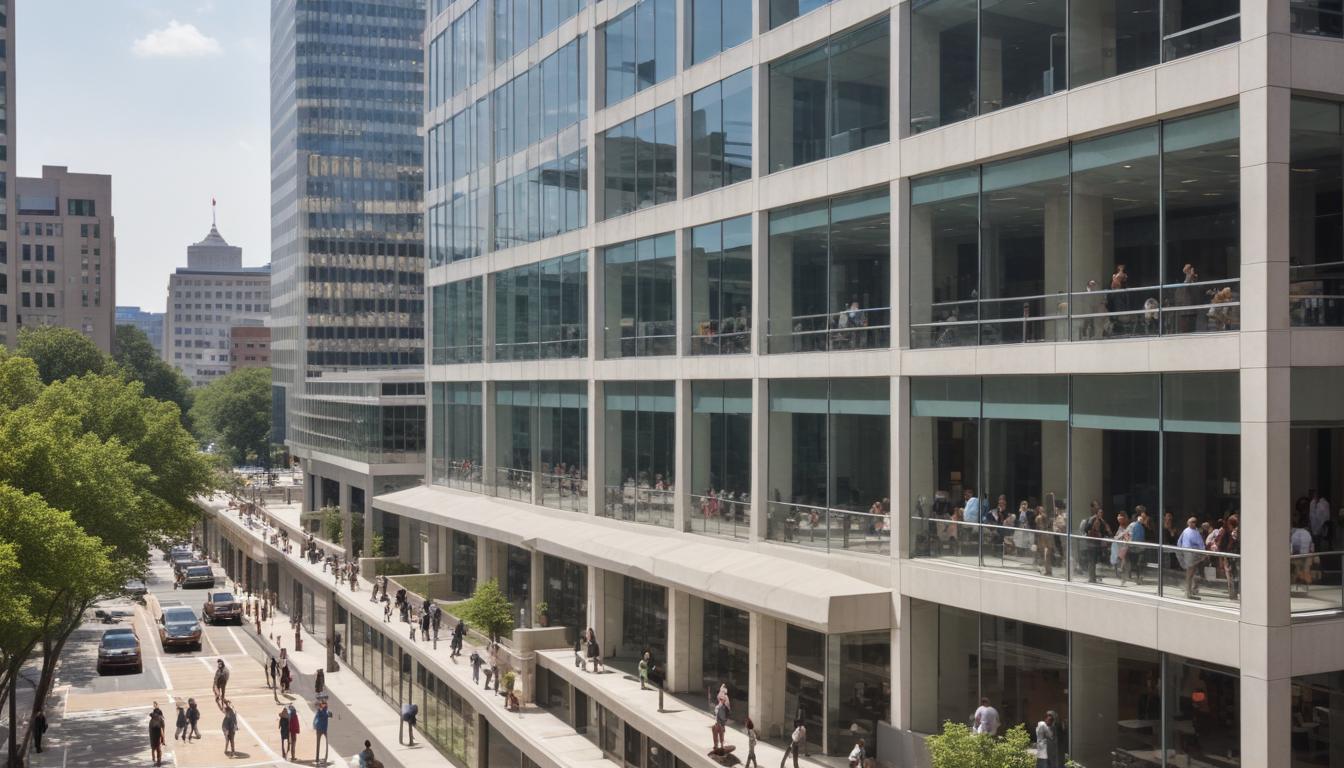
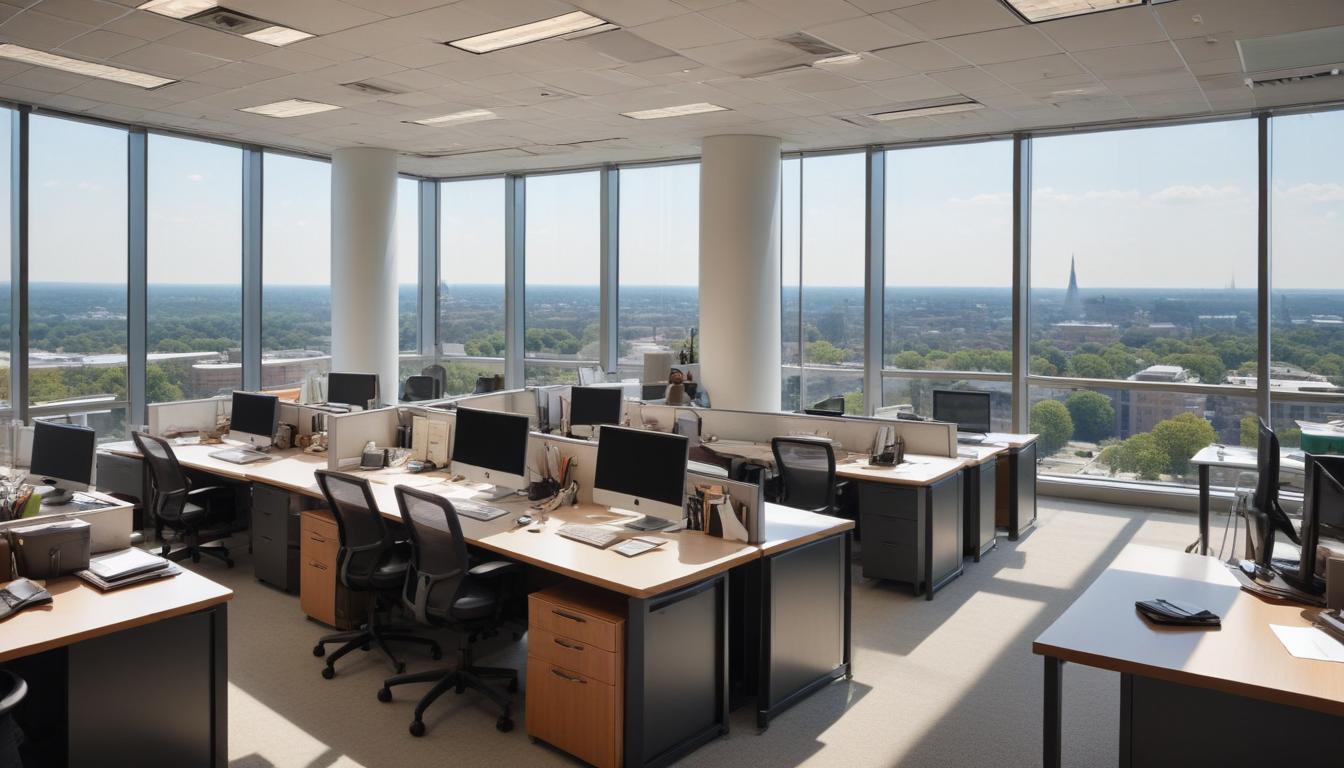
Commercial real estate metrics reveal the strain. Office vacancy rates in the central business district—encompassing areas from the National Mall to the Golden Triangle—have climbed to 18.6 percent, compared to a pre-pandemic average of 9 percent. Premium office space along Connecticut Avenue and Pennsylvania Avenue commands $60 to $75 per square foot annually, yet tenancy remains challenging as firms reassess workspace needs.
However, investment flows tell a different story downtown. The technology and life sciences sectors are attracting capital that federal cuts cannot offset. The Navy Yard-Ballpark neighborhood has seen $2.3 billion in mixed-use development commitments over the past eighteen months, with biotech and software firms anchoring new projects. Capital gains from venture funding in the region reached $1.8 billion in 2025, up 12 percent year-over-year.
The hospitality and service sectors remain stressed. Hotel employment in the District runs roughly 8 percent below 2019 levels, even as leisure travel has rebounded. Wage growth in hospitality remains the slowest among major sectors at 2.1 percent annually.
For business leaders interpreting these signals, context matters. The Federal Reserve's recent stance on interest rates—holding firm at 4.75 to 5 percent—continues pressuring real estate financing, slowing new commercial construction starts by 14 percent compared to last year. Yet inflation-adjusted wages in tech and professional services have climbed 3.2 percent, signaling genuine competitive pressure for talent in those fields.
The takeaway: DC's economy is rebalancing. Federal dependency is declining while innovation-driven sectors expand. Job seekers in traditional government consulting may face headwinds, but those with technology or specialized healthcare expertise are finding employers bidding aggressively. For investors, the divergence between distressed office assets and rising-value biotech real estate presents both risk and opportunity—a hallmark of transition economies that Washington is experiencing right now.
This article was compiled by AI from the sources linked above and screened before publishing. See our editorial standards.
How does this story make you feel?
Spread the word
About this article
Published by The Daily Washington DC
Daily brief
Free, in your inbox before 7am. Weekdays.
More in Business